
 English
 русский
 Français
 عربى
عربى
Why choose us?
Shanghai Pinxing's Oil and Gas Industry Focus
Shanghai Pinxing Explosion-proof Motor Co., Ltd. has developed specialized capabilities for the oil and gas sector through targeted product development and engagement with major industry participants. Our engineering team includes specialists with experience in hydrocarbon processing applications, understanding the unique requirements of upstream, midstream, and downstream operations. We maintain current certifications for major oil and gas markets including ATEX, IECEx, NEC/CEC for North America, and region-specific certifications for Middle Eastern and Asian markets. Our product development for this sector emphasizes not only compliance with safety standards but also practical considerations for installation, operation, and maintenance in challenging oil and gas environments. Collaborative relationships with engineering procurement contractors (EPCs) and equipment packagers ensure our motors integrate seamlessly into complete systems. Field experience feedback informs continuous product improvement, with particular attention to reliability enhancement and maintenance optimization features. Documentation systems provide comprehensive certification packages and technical data required for oil and gas project specifications.
Comprehensive Product Solutions
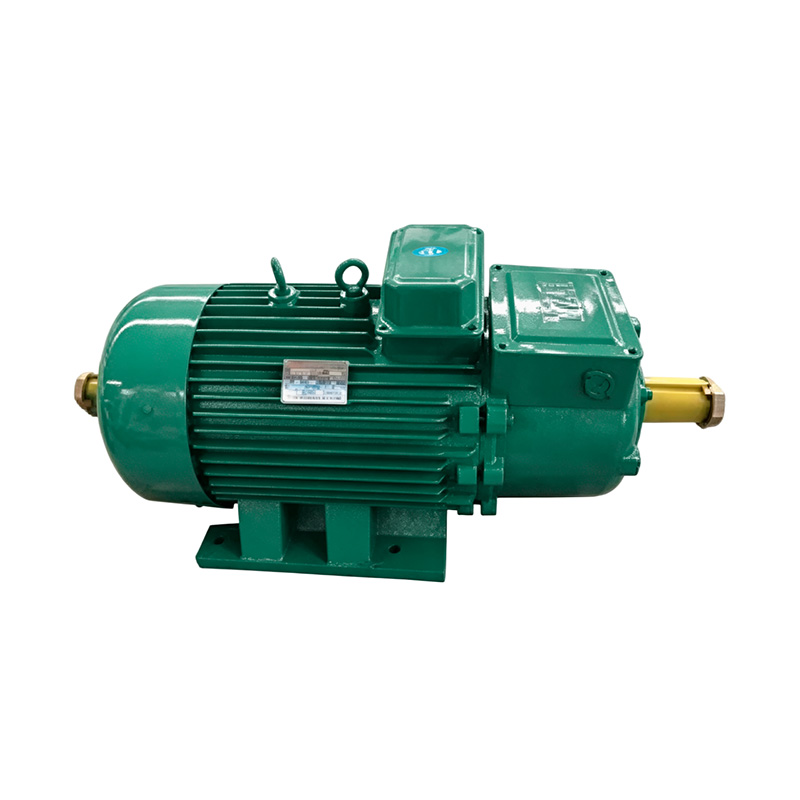
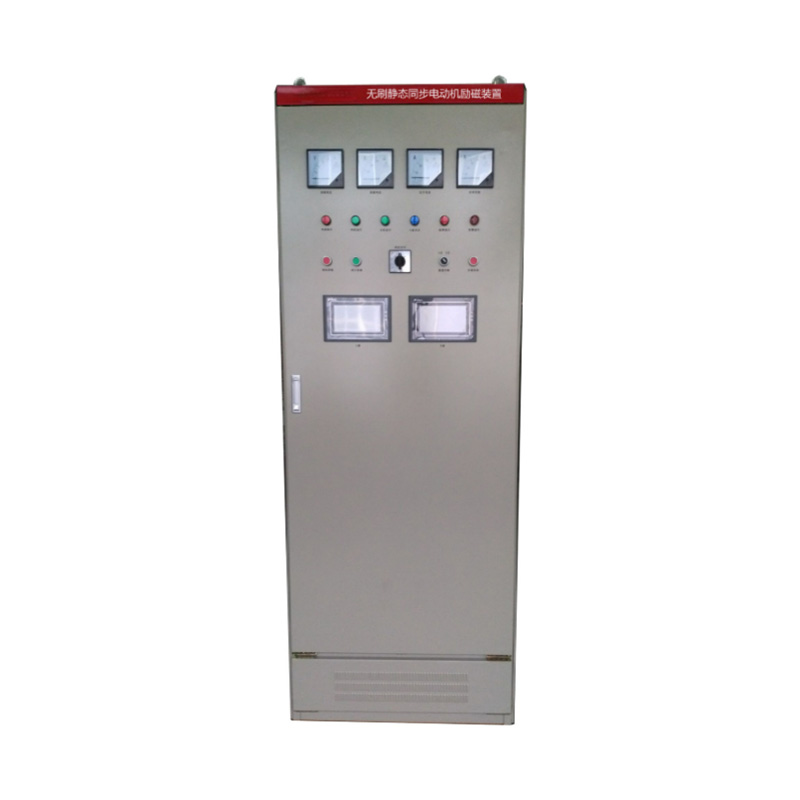
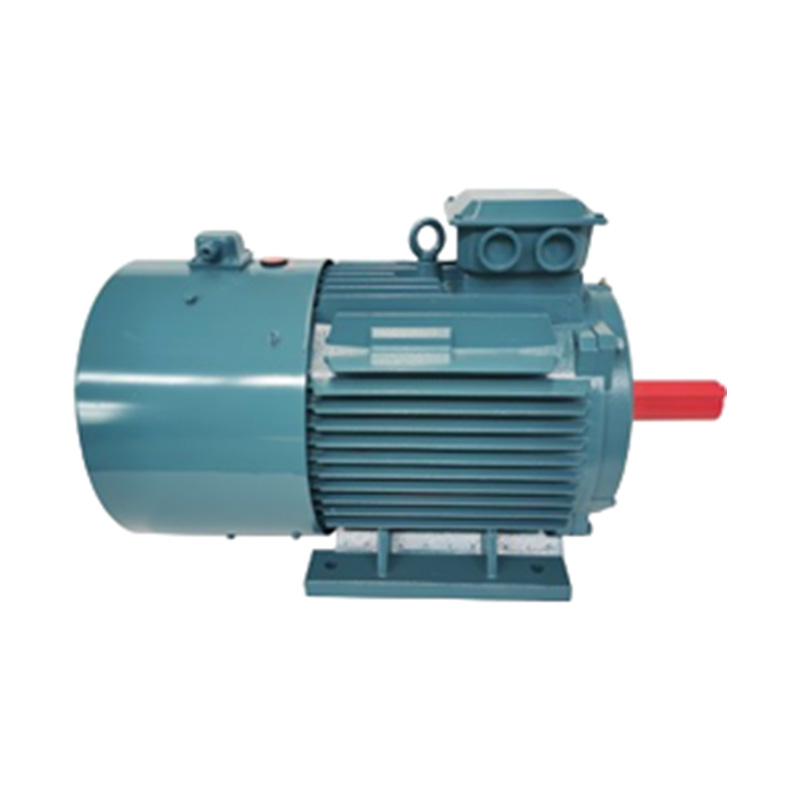
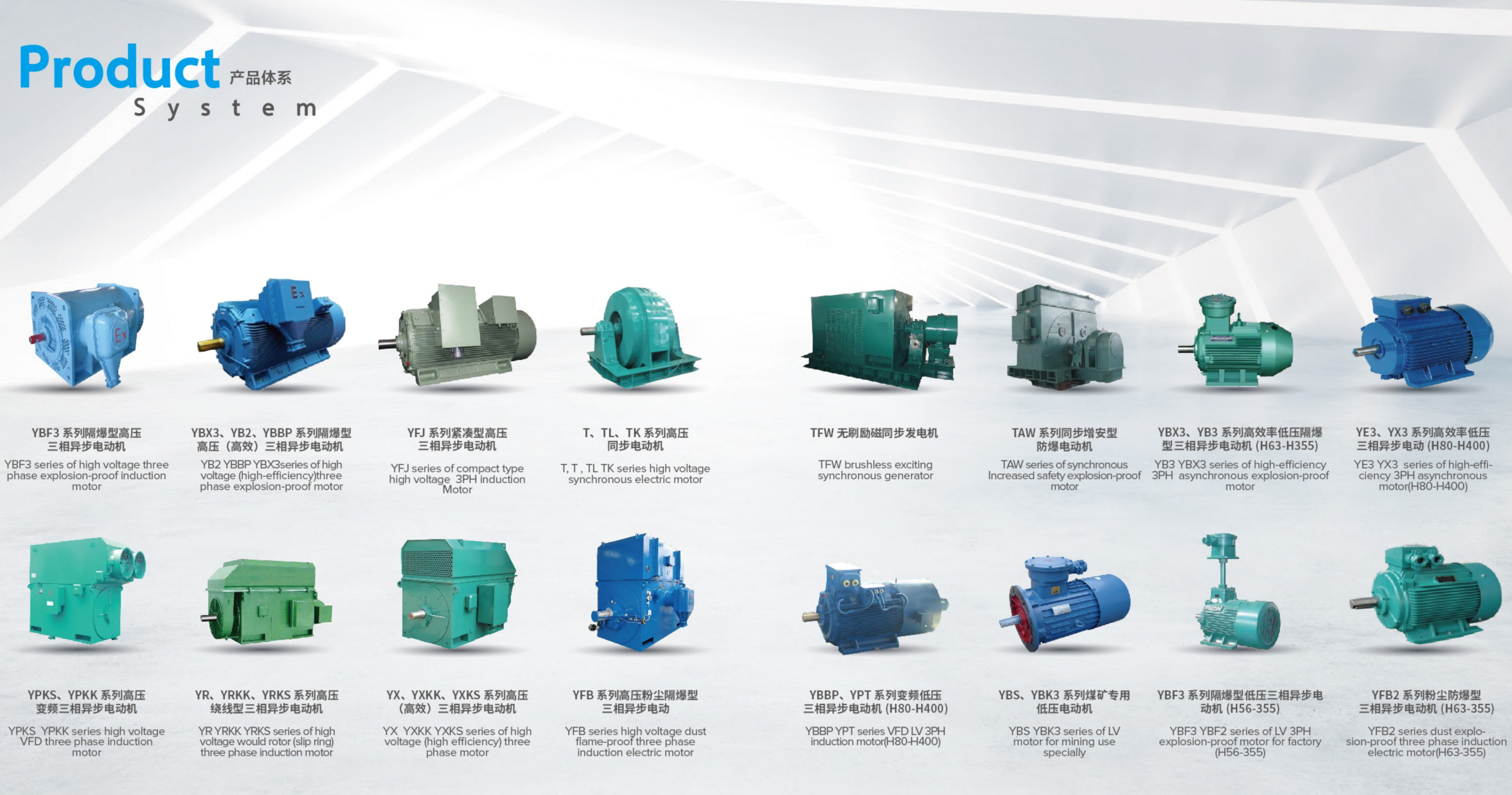
Our product range addresses the full spectrum of oil and gas applications with appropriately specialized designs. For hazardous area applications, we offer explosion-protected motors in all common protection types: flameproof (Ex d), increased safety (Ex e), non-sparking (Ex nA), and pressurized (Ex px/py/pz). High-voltage motors (3.3kV to 13.8kV) utilize vacuum pressure impregnated insulation systems with corona protection suitable for VFD operation. Large synchronous motors (TAW series) provide power factor correction benefits for electrical systems with high induction motor loads. Wound rotor motors (YR, YRKK series) offer controlled starting for high-inertia loads like compressors and mills. High-efficiency designs (IE3, IE4) reduce operating costs for continuously running equipment. Special offshore designs incorporate corrosion-resistant materials, space-optimized dimensions, and enhanced protection against saltwater ingress. Custom designs address specific project requirements including unique mounting arrangements, special shaft extensions, integrated sensors for condition monitoring, and compatibility with fire protection systems. This comprehensive approach ensures appropriate motor solutions for diverse oil and gas applications.
Technical Support and Project Services
Shanghai Pinxing provides extensive technical support tailored to oil and gas projects. Our engineering team assists with motor selection based on specific process requirements, hazardous area classifications, and installation conditions. We perform detailed application studies including torsional vibration analysis for compressor drives, starting analysis for high-inertia loads, and thermal analysis for unusual cooling conditions. Project documentation packages include all required certifications, detailed installation drawings, interconnection diagrams, and performance data for system integration. Factory acceptance testing (FAT) can be tailored to project-specific requirements with witness opportunities for critical applications. Installation supervision and commissioning support services ensure proper implementation of explosion protection features and optimal system performance. Training programs cover operation, maintenance, and safety aspects specific to oil and gas installations. After-sales support includes technical assistance for troubleshooting, spare parts management, and potential repair services. These comprehensive services support successful project execution from specification through long-term operation.
Popular Industries And Applications
Upstream Exploration and Production
In upstream operations, motors power critical equipment from drilling through production. Land and offshore drilling rigs utilize motors for drawworks (hoisting system), top drives (rotary system), mud pumps, and auxiliary equipment. Drawworks motors require high torque at low speeds with precise control for handling drill pipe, typically ranging from 500kW to 1500kW per motor. Top drive motors provide rotational force to the drill string with power ratings from 300kW to 800kW, requiring smooth speed control across a wide range. Mud pump motors power high-pressure pumps circulating drilling fluid, with requirements for high starting torque and tolerance to load fluctuations. Artificial lift systems including electric submersible pumps (ESP) utilize specialized motors operating downhole in high-temperature, high-pressure environments. Surface production equipment employs motors for test separators, transfer pumps, and gas compressors. Offshore platforms utilize motors for seawater injection pumps, gas compression, produced water treatment, and firewater systems. These applications demand motors with high reliability due to remote locations, appropriate hazardous area protection for gas exposure, and designs accommodating space constraints on offshore installations. Variable frequency drives are commonly employed for process control, requiring motors with VFD compatibility including enhanced insulation systems and bearing protection.
Midstream Transportation and Storage
Midstream operations involving pipeline transport and storage facilities present distinct motor applications. Pipeline booster pump stations utilize large motors from 500kW to 10MW to maintain product flow over long distances, often operating continuously with variable speed control to match flow requirements. Gas compressor stations along transmission pipelines employ motors from 1MW to 20MW for centrifugal or reciprocating compressors, with considerations for starting methods, torsional vibration, and integration with compressor control systems. Storage facilities including LNG terminals utilize motors for loading/unloading pumps, vapor compressors, and refrigeration systems. LNG pumps require special designs for cryogenic service with materials suitable for low-temperature operation. Vapor recovery compressors employ motors with appropriate explosion protection for handling potentially flammable vapors. Metering and regulation stations utilize smaller motors for control valve actuators and instrumentation. These applications emphasize efficiency for continuously operating equipment, reliability to prevent supply interruptions, and appropriate hazardous area protection for facilities handling flammable products. High-efficiency motors (IE3, IE4) provide significant energy savings given continuous operation, with payback periods often under two years for pipeline applications.
Downstream Refining and Processing
Refineries and petrochemical plants present some of the most demanding motor applications with diverse process conditions. Crude distillation units utilize motors for charge pumps, reflux pumps, and overhead compressors, often with high-temperature operation near process units. Catalytic cracking and reforming units employ motors for air blowers, compressors, and pump drives in high-temperature, potentially corrosive environments. Hydroprocessing units require motors with appropriate protection for hydrogen service areas. Sulfur recovery units involve corrosive atmospheres requiring specialized materials. Utilities including cooling water pumps, air compressors, and boiler feed pumps utilize motors with high reliability for continuous operation. Tank farms employ motors for transfer pumps and mixers with appropriate area classification for volatile products. Wastewater treatment systems utilize motors for aerators, clarifiers, and pumps. These applications require careful area classification analysis, appropriate explosion protection, materials resistant to specific process chemicals, and designs accommodating high ambient temperatures near process units. Maintenance planning considerations favor motors with extended service intervals and features facilitating inspection and repair in congested plant areas.
LNG Liquefaction and Regasification
LNG facilities represent specialized applications with unique requirements. Liquefaction trains utilize extremely large motors for mixed refrigerant compressors, with power ratings from 10MW to over 80MW per train, often employing synchronous motors for power factor benefits. These motors require special starting considerations due to the high inertia of compressor trains, with options including variable frequency drives, reduced voltage starters, or synchronous starting methods. Cryogenic pumps for LNG transfer operate at temperatures down to -162°C, requiring special materials and designs accommodating thermal contraction. Boil-off gas compressors handle evaporated LNG, requiring appropriate explosion protection. Regasification terminals employ motors for seawater pumps, vaporizers, and sendout pumps. Offshore FLNG (Floating LNG) facilities impose additional challenges including motion compensation, space constraints, and marine environment exposure. These applications demand motors with exceptional reliability due to the capital intensity of LNG facilities, specialized materials for low-temperature service, and designs compatible with the specific process requirements of liquefaction and regasification cycles.
Hardcore Parameters
| Application | Typical Power Range | Voltage Level | Explosion Protection | Key Standards | Special Features |
| Pipeline Booster Pumps | 500kW-10MW | 6.6kV, 11kV, 13.8kV | Ex d or Ex de (Zone 1/2) | API 541, IEEE 841 | High efficiency across load range, VFD compatible |
| Gas Compressor Drives | 1MW-20MW+ | 6.6kV, 11kV, 13.8kV | Ex d, Ex p, or Ex nA per area | API 546, API 541 | Torsional analysis, special starting, anti-condensation heaters |
| Offshore Water Injection Pumps | 500kW-5MW | 3.3kV, 6.6kV | Ex d IIC T4 (Zone 1) | NORSOK, IEC 60079 | Marine corrosion protection, compact design |
| Refinery Charge Pumps | 100kW-2MW | 380V, 660V, 3.3kV | Ex d IIB T3 (Zone 1) | API 610, ATEX | High temperature design, chemical resistance |
| LNG Cryogenic Pumps | 200kW-1.5MW | 380V, 660V, 3.3kV | Ex d IIB T4 (Zone 1) | BS 6364, IEC 60079 | Cryogenic materials, cold shrink compensation |
| Firewater Pumps | 75kW-500kW | 380V, 660V | Ex d or non-Ex depending on location | NFPA 20, UL | Instant start capability, high reliability |
| Drilling Rig Drawworks | 500kW-1.5MW | 660V, 1000V | Ex d or increased safety per area | API 7F, IEC 60079 | Precise speed control, dynamic braking |
| Vapor Recovery Compressors | 50kW-400kW | 380V, 660V | Ex d IIA/IIB T3 (Zone 1) | ATEX, IECEx | Low emissions design, efficiency optimized |
1-Minute Selection Guide
Material Selection for Sour Service (H2S Environments)
Sour service environments containing hydrogen sulfide (H2S) require careful material selection to prevent sulfide stress cracking (SSC) and hydrogen-induced cracking. Standards including NACE MR0175/ISO 15156 define material requirements for sour service. For motor components, this primarily affects ferrous materials exposed to the sour environment. Shaft materials typically require low-alloy steels with maximum hardness of 22 HRC (248 HB) for seamless components, with proper heat treatment to achieve uniform microstructure. Fasteners must meet specific material grades with controlled hardness, often requiring documentation of chemical composition and heat treatment. Cast iron components generally have adequate resistance due to their graphite microstructure, but specific grades may be specified. Non-metallic materials including gaskets, seals, and insulation must be resistant to H2S degradation. Coating systems must provide complete coverage without pinholes that could allow H2S penetration to underlying materials. Material certification should include chemical analysis, mechanical testing, and hardness verification for critical components. For motors in areas with occasional H2S exposure rather than continuous service, alternative material selections may be acceptable based on risk assessment. Documentation packages for sour service motors should clearly identify all materials and their compliance with applicable standards.
High-Temperature Material Selection
Motors operating in high-temperature environments near process units require materials that maintain properties at elevated temperatures. Class H (180°C) or Class C (220°C) insulation systems are typically specified, with verification of thermal endurance through standardized testing. Magnet wire insulation utilizes polyimide or other high-temperature materials with appropriate temperature indices. Slot liners and phase separators employ high-temperature composites rather than standard cellulose-based materials. Impregnation resins must have adequate thermal stability without cracking or becoming brittle at operating temperatures. Bearing greases require high-temperature formulations with appropriate base oil viscosity and oxidation stability. Seal materials including O-rings and gaskets utilize fluorocarbon or other high-temperature elastomers rather than standard nitrile. Paint systems require high-temperature resistant formulations, often silicone-based, that maintain adhesion and corrosion protection at elevated temperatures. Structural components may require evaluation of creep resistance for continuously high temperatures. Cooling system designs must account for reduced temperature differentials between motor and ambient air. These material selections ensure reliable operation throughout the expected temperature range without premature degradation of components.
Cryogenic Service Material Selection
Motors for cryogenic service in LNG applications require materials that maintain mechanical properties at extremely low temperatures (down to -196°C for liquid nitrogen, -162°C for LNG). Austenitic stainless steels (300 series) are preferred for structural components as they maintain ductility at low temperatures, unlike ferritic steels which become brittle. Specific grades like 304L or 316L with low carbon content minimize sensitization issues. Aluminum alloys may be used for non-structural components but require careful selection of appropriate tempers. Bearing steels require special processing to prevent dimensional changes and maintain hardness at low temperatures, often utilizing through-hardening steels rather than case-hardened types. Insulation systems must withstand thermal cycling without cracking, utilizing materials with matched coefficients of thermal expansion to prevent delamination. Lubrication presents special challenges as standard greases solidify at cryogenic temperatures; often these applications utilize sealed-for-life bearings or special lubrication systems. Electrical connections must accommodate differential thermal contraction between conductors and insulation. These material considerations are critical for reliable operation in cryogenic environments where material failure could have severe safety implications.
Customized services
API Standard Compliance Engineering
Shanghai Pinxing provides specialized engineering services to ensure motor compliance with API (American Petroleum Institute) standards commonly specified in oil and gas projects. API 541 covers form-wound squirrel cage induction motors 250hp and larger, while API 546 covers form-wound synchronous motors. API 547 covers general-purpose form-wound squirrel cage induction motors. Our engineering team interprets these standards for specific project requirements, addressing design features including vibration limits, bearing designs, insulation systems, testing requirements, and documentation. We perform detailed design reviews to verify compliance with all applicable API requirements, with particular attention to areas often requiring clarification such as shaft runout tolerances, bearing housing fits, and vibration measurement procedures. Documentation packages are prepared in the format specified by API standards, including detailed datasheets, cross-sectional drawings, performance curves, and material certifications. Witnessed testing at our facility can be arranged to demonstrate compliance with API testing requirements. These services ensure motors meet the rigorous requirements of API standards, which are often specified for critical oil and gas applications to ensure reliability and interchangeability.
Packaged Equipment Integration Services
We offer comprehensive integration services for motors supplied as part of packaged equipment in oil and gas projects. Our engineering team collaborates with package suppliers (skid builders) to optimize motor specifications for the complete system. This includes interface coordination for mounting arrangements, shaft couplings, cooling connections, and electrical terminations. We perform system-level analyses including torsional vibration studies for compressor packages, starting analyses for pump packages, and thermal analyses for enclosed skids. Motor designs can be modified to accommodate space constraints within packaged equipment, with options for special mounting configurations, reduced overall lengths, or customized cooling arrangements. Documentation is coordinated with package suppliers to ensure consistency across all system components. Factory acceptance testing can be conducted with the complete package to verify proper integration. These services streamline the procurement process for EPCs and end users, ensuring motors are properly integrated into packaged systems with optimized performance and reliability.
Lifecycle Cost Analysis and Efficiency Optimization
Shanghai Pinxing provides detailed lifecycle cost analysis services to support motor selection decisions in oil and gas projects. Our analysis compares alternative motor options (efficiency classes, motor types, initial cost versus operating cost) over the expected service life, typically 20+ years for oil and gas installations. Calculations consider initial purchase price, installation costs, energy consumption based on specific duty cycles, maintenance costs (including planned maintenance and expected repairs), and potential downtime costs. Sensitivity analysis evaluates the impact of varying electricity prices, operating hours, and maintenance intervals. Efficiency optimization services identify opportunities to reduce energy consumption through proper motor selection, sizing for actual load conditions, and integration with variable speed drives where applicable. We provide documentation supporting investment decisions, including detailed assumptions, calculation methodologies, and return-on-investment projections. These services help oil and gas operators make informed decisions that minimize total cost of ownership while meeting performance and reliability requirements.