
 English
 русский
 Français
 عربى
عربى
Why choose us?
Shanghai Pinxing's Chemical Industry Expertise
Shanghai Pinxing Explosion-proof Motor Co., Ltd. has developed specialized knowledge in chemical plant applications through decades of supplying motors to chemical producers and engineering contractors. Our engineering team includes specialists with experience in chemical process operations, understanding the unique challenges of different chemical families including chlor-alkali, fertilizers, polymers, and specialty chemicals. We maintain comprehensive material compatibility data for common chemical exposures, supporting proper material selection for specific applications. Certification management includes not only standard explosion protection certifications (ATEX, IECEx) but also chemical resistance verification for non-metallic components. Our product development for this sector emphasizes practical solutions for chemical plant maintenance challenges, with features facilitating inspection, cleaning, and repair in chemically aggressive environments. Collaborative relationships with chemical plant engineering teams enable us to address specific project requirements including unusual chemical exposures, special cleaning protocols, and integration with plant-wide corrosion monitoring systems. Documentation systems provide detailed material certifications and chemical resistance test data to support plant safety and maintenance planning.
Tailored Product Solutions for Chemical Service
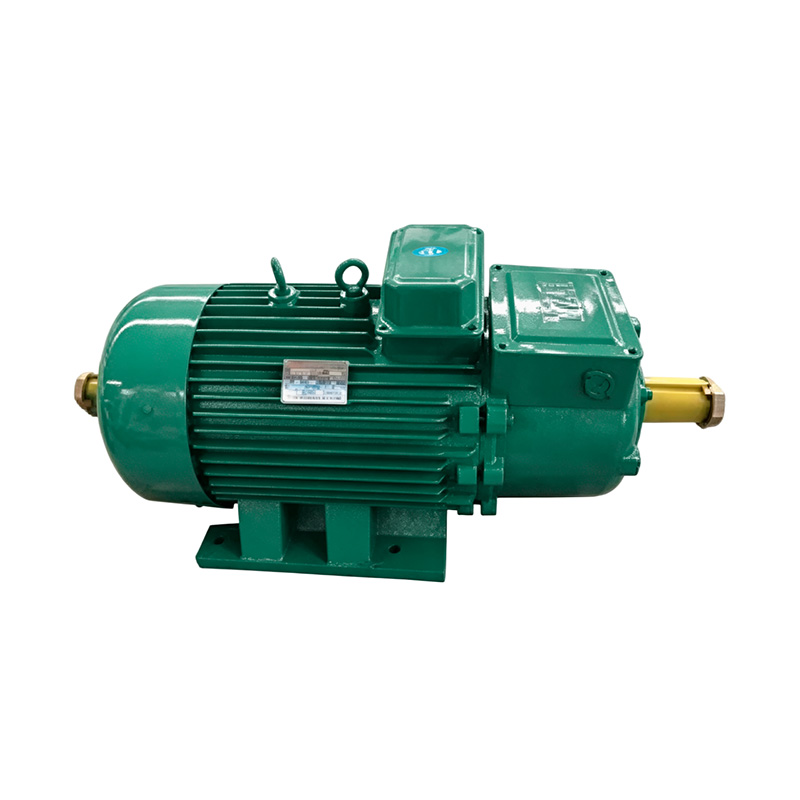
Our product range for chemical plants includes designs specifically adapted for chemical industry requirements. Chemical-duty motors feature enhanced corrosion protection with multi-layer coating systems resistant to chemical splash and vapor exposure. Stainless steel construction options (frames, covers, shafts) are available for highly corrosive applications. Explosion-protected designs include all common protection types with material selections appropriate for chemical exposure. High-temperature motors utilize Class H or Class C insulation systems with verification of chemical resistance at elevated temperatures. Washdown-duty motors feature hose-down protection with sealed bearings and corrosion-resistant fasteners. Vertical motor designs for pump applications include special configurations for chemical pump mounting. Custom designs address unique chemical plant requirements including special mounting arrangements for agitator drives, integrated speed sensing for process control, and compatibility with specific plant cleaning chemicals. Our approach emphasizes not only initial performance but also long-term reliability in chemically aggressive environments, with designs that facilitate maintenance and extend service intervals despite challenging conditions.
Comprehensive Technical Support
Shanghai Pinxing provides extensive technical support services tailored to chemical plant projects and operations. Our application engineering assists with motor selection based on specific chemical exposures, process conditions, and plant maintenance practices. Material selection support includes review of chemical compatibility data for all motor components exposed to plant environments. Failure analysis services help identify root causes of motor failures in chemical service, with recommendations for material or design improvements. Installation guidance addresses proper practices for maintaining corrosion protection and explosion protection integrity in chemical environments. Maintenance planning support includes recommended inspection intervals and procedures specific to chemical exposure conditions. Training programs cover operation, maintenance, and safety aspects particular to chemical plant motors. Spare parts management services ensure availability of critical components with appropriate material specifications. These comprehensive services support successful motor application throughout the equipment lifecycle in chemical plants, from initial specification through long-term operation and maintenance.
Popular Industries And Applications
Chlor-Alkali Production
Chlor-alkali plants producing chlorine, caustic soda, and hydrogen present particularly aggressive environments for motors. Brine circulation pumps handle saturated salt solutions at elevated temperatures, requiring motors with enhanced corrosion protection against chloride attack. Chlorine gas compressors and liquefaction systems require motors with materials resistant to dry chlorine gas and potential moisture contamination forming hydrochloric acid. Hydrogen compressors need appropriate explosion protection for Group IIC service with consideration for hydrogen embrittlement of materials. Caustic soda handling equipment employs motors resistant to sodium hydroxide exposure, which attacks aluminum and zinc components. Electrolyzer rectifier cooling systems utilize pump motors with compatibility to cooling media that may contain trace electrolytes. These applications demand careful material selection including stainless steel grades appropriate for specific chemical exposures, non-metallic materials resistant to chemical degradation, and coating systems that provide complete coverage without pinholes. Explosion protection must accommodate the specific gas groups present (chlorine requires different considerations than hydrogen), with temperature classes appropriate for autoignition temperatures. Maintenance practices must consider the toxicity of chemicals present, favoring designs that minimize exposure during inspection and repair.
Fertilizer Manufacturing
Fertilizer plants producing ammonia, urea, nitric acid, and ammonium compounds present diverse chemical challenges. Ammonia synthesis gas compressors utilize large motors (5-30MW) with considerations for hydrogen-rich synthesis gas service, requiring appropriate explosion protection and material compatibility. Nitric acid production involves motors exposed to nitrogen oxides and acid mists, necessitating acid-resistant materials. Urea synthesis and processing equipment employs motors resistant to ammonium carbamate and urea melt exposures. Phosphate fertilizer processing involves abrasive phosphate dust and acidic conditions from phosphoric acid production. Granulation and drying equipment utilizes motors that withstand fertilizer dust ingress while providing appropriate explosion protection for potentially explosive dusts. These applications require motors with materials selected for specific chemical families, with particular attention to stainless steel grades for acidic service, coating systems for abrasive dust protection, and sealing systems to prevent chemical ingress into bearing cavities. Temperature considerations include both high temperatures near synthesis units and potential for condensation of corrosive vapors on cooler motor surfaces during shutdown periods.
Polymer Production
Polymer plants manufacturing polyethylene, polypropylene, PVC, and other plastics present unique motor requirements. Reactor agitator drives require motors with precise speed control for viscosity management during polymerization, often with variable frequency drives and high starting torque for initial mixing. Extruder drives need constant torque across speed ranges with smooth rotation to maintain product consistency. Pelletizing equipment utilizes motors resistant to polymer dust accumulation with appropriate explosion protection for potentially explosive plastic dusts. Solvent recovery systems employ motors compatible with hydrocarbon solvents used in polymerization processes. Compressor drives for monomer feed gases require appropriate explosion protection and material compatibility. These applications emphasize reliability to maintain continuous production, with motors designed for 24/7 operation. Material selections consider potential exposure to monomers, catalysts, and polymer dusts. Cooling system designs accommodate high ambient temperatures near polymerization reactors. Maintenance considerations favor designs that facilitate cleaning of accumulated polymer dust without disassembly. Vibration characteristics must be compatible with precision machinery requirements for product quality control.
Specialty Chemical Manufacturing
Specialty chemical plants producing pharmaceuticals, agrochemicals, dyes, and other fine chemicals involve diverse processes with varying requirements. Batch reactors utilize agitator motors with variable speed control for different reaction stages, often requiring explosion protection for solvent-based reactions. Centrifuges for product separation employ motors with high starting torque and controlled acceleration to prevent product damage. Drying equipment utilizes motors resistant to chemical vapors and product dusts. Milling and grinding equipment for particle size reduction needs motors that withstand vibration and product ingress. Purification systems including distillation and crystallization employ motors compatible with various organic chemicals. These applications often involve frequent product changeovers with associated cleaning procedures, requiring motors that withstand cleaning chemicals and frequent washdown. Material selections must consider a wide range of chemical exposures rather than a single dominant chemical. Explosion protection requirements vary based on solvent properties used in different processes. Flexibility in operation may be more important than optimization for a single operating point. These diverse requirements often necessitate custom motor specifications rather than standard designs.
Hardcore Parameters
| Application | Typical Power Range | Chemical Exposure | Material Requirements | Explosion Protection | Special Features |
| Agitator Drives (Reactors) | 15kW-300kW | Varied by process | Stainless steel contact parts, chemical-resistant seals | Ex d or Ex de per area | Variable speed, high starting torque |
| Chemical Transfer Pumps | 4kW-150kW | Acids, bases, solvents | Material matched to specific chemical | Ex d or increased safety | Sealed construction, washdown capable |
| Centrifugal Compressors | 200kW-5MW | Process gases | Compatible with gas composition | Ex d, Ex p, or Ex nA | High efficiency, anti-surge compatible |
| Drying Equipment Drives | 7.5kW-110kW | Product dust, vapors | Dust-tight, corrosion resistant | Ex tD for dust areas | Thermal protection, easy cleaning |
| Extruder Drives | 50kW-500kW | Polymer melt, additives | High temperature resistance | Typically non-hazardous area | Constant torque, precise speed |
| Solvent Recovery Compressors | 30kW-400kW | Organic vapors | Compatible with solvents | Ex d IIA/IIB | Low emissions, efficient |
| Waste Treatment Systems | 5.5kW-75kW | Mixed chemicals | Broad chemical resistance | As required by area | Corrosion resistant, reliable |
1-Minute Selection Guide
Stainless Steel Selection Guide
Stainless steel selection for chemical plant motors requires consideration of specific chemical exposures and service conditions. Type 304 stainless offers good general corrosion resistance for mild chemical exposures including many organic chemicals and mild inorganic acids at moderate temperatures. Type 316 stainless with 2-3% molybdenum provides enhanced resistance to chloride attack and broader acid resistance, making it suitable for many chemical plant applications including exposure to sulfuric, phosphoric, and organic acids. Type 316L with lower carbon content minimizes sensitization during welding or high-temperature service. For more severe chloride environments, super austenitic grades like 904L or 6% molybdenum alloys provide additional resistance. Duplex stainless steels (2205) offer high strength and good chloride resistance but require careful control of heat treatment. Material forms include castings for frames (CF8/CF8M equivalent to 304/316), forgings for shafts, and sheet/plate for covers. Surface finishes affect corrosion resistance, with smoother finishes generally offering better resistance. Passivation after fabrication restores the protective chromium oxide layer. Documentation should include material certifications with chemical analysis and, for critical applications, intergranular corrosion test results. Proper selection balances corrosion resistance requirements against cost considerations for the specific service conditions.
Coating System Selection for Chemical Protection
Coating systems for chemical plant motors provide barrier protection against chemical exposure while also offering corrosion protection and sometimes thermal insulation. Multi-layer systems typically include: surface preparation to Sa 2.5 or better cleanliness with appropriate anchor profile; epoxy primer for adhesion and barrier properties; epoxy intermediate coat for build and chemical resistance; and polyurethane or fluoropolymer topcoat for additional chemical resistance and UV protection. For severe chemical exposure, thicker film builds (250-400 microns total) provide better barrier properties. Specific formulations vary based on chemical exposure - epoxy novolac systems offer excellent acid and solvent resistance, while zinc-rich primers provide cathodic protection in addition to barrier properties. Application requires controlled conditions for temperature, humidity, and cleanliness, with verification of film thickness and holiday detection testing for pinholes. Cure time before service is critical for chemical resistance development. Documentation should include coating specifications, application records, and test reports. For high-temperature applications, silicone-based or other high-temperature coatings may be required. Proper coating selection and application significantly extend service life in chemical environments.
Non-Metallic Material Selection
Non-metallic components in chemical plant motors require careful selection for chemical compatibility. Gasket materials range from compressed asbestos-free fiber for general service to PTFE-based materials for broad chemical resistance. O-rings and seals utilize various elastomers: nitrile for petroleum-based fluids, EPDM for steam and polar chemicals, fluorocarbon (Viton) for broad chemical resistance including many solvents, and perfluoroelastomers (Kalrez) for severe chemical service at higher cost. Insulation materials in windings require verification of chemical resistance at operating temperatures, with polyester, polyimide, and epoxy systems offering different resistance profiles. Nameplate materials utilize metals or engineered plastics with chemical-resistant markings. Cable insulation and sheathing must be compatible with chemical exposure, with options including cross-linked polyethylene, chlorinated polyethylene, or fluoropolymers. Lubricants for bearings require compatibility with potential chemical contamination. Selection should be based on specific chemical exposures with consideration of temperature effects on material properties. Documentation should include material specifications and, where available, chemical resistance test data. These non-metallic selections are critical as they often represent the weakest link in chemical resistance despite proper metal selection.
Customized services
Chemical Compatibility Engineering Services
Shanghai Pinxing offers specialized engineering services for chemical compatibility assessment and material selection. Our materials engineering team evaluates specific chemical exposures to recommend appropriate materials for motor construction. Services include review of process conditions and chemicals present, comparison of material options based on our extensive chemical resistance database, and recommendations balancing performance requirements with cost considerations. For unusual chemical exposures or mixtures, we can arrange laboratory testing of material samples to verify compatibility. Engineering deliverables include detailed material specifications for all motor components, chemical resistance data for specified materials, and recommendations for installation and maintenance practices to preserve chemical resistance. For critical applications, we provide material certification packages with traceability to original mill certificates. These services ensure motors are properly specified for chemical service, reducing risk of premature failure due to chemical attack and extending service life in aggressive environments.
Custom Designs for Unique Chemical Applications
We provide custom design services for motors in unique chemical applications not adequately served by standard designs. Our engineering team collaborates with chemical plant designers to develop motors tailored to specific process requirements. Customization options include special material selections for unusual chemical exposures, unique mounting arrangements for integration with chemical processing equipment, special sealing systems for containment of hazardous chemicals, and cooling system adaptations for high-temperature or cryogenic chemical processes. We can develop motors for specific chemical industry standards or customer specifications. Prototyping services allow testing and validation before production commitment. Documentation includes detailed design specifications, material certifications, and performance data specific to the application. These services enable optimal motor solutions for challenging chemical applications where standard motors would require compromises in performance or reliability.
Failure Analysis and Material Upgrade Services
Shanghai Pinxing provides comprehensive failure analysis services for motors operating in chemical plants, with particular focus on material degradation mechanisms. Our analysis identifies root causes of failures including chemical attack, stress corrosion cracking, galvanic corrosion, or degradation of non-metallic components. Services include visual examination, metallurgical analysis, chemical analysis of corrosion products, and evaluation of operating conditions. Based on analysis results, we recommend material upgrades or design modifications to prevent recurrence. Upgrade services can be applied to existing motors through retrofit modifications or incorporated into replacement motors. Documentation includes detailed failure analysis reports with recommendations, material upgrade specifications, and predicted service life improvements. These services help chemical plants address recurring motor failures, reduce maintenance costs, and improve reliability in challenging chemical environments.