
 English
 русский
 Français
 عربى
عربى
Why choose us?
Shanghai Pinxing's Mining Motor Expertise
Shanghai Pinxing Explosion-proof Motor Co., Ltd. has developed specialized expertise in motors for the mining and coal industry through decades of collaboration with mining equipment manufacturers and direct engagement with mining operations. Our product development for this sector is informed by direct feedback from field applications, leading to continuous improvement in design features that address real-world mining challenges. We maintain a dedicated engineering team focused on mining applications, with expertise spanning explosion protection standards (GB, IECEx, ATEX), mine-specific safety regulations, and the mechanical demands of mining machinery. Our manufacturing facilities include specialized production lines for flameproof motor assembly, with controlled environments for critical processes like stator impregnation and precision machining of flameproof joints. Quality assurance procedures incorporate additional testing protocols specific to mining motors, including extended vibration testing, thermal cycling under dust exposure conditions, and verification of flamepath dimensions to exacting tolerances.
Comprehensive Product Range for Mining
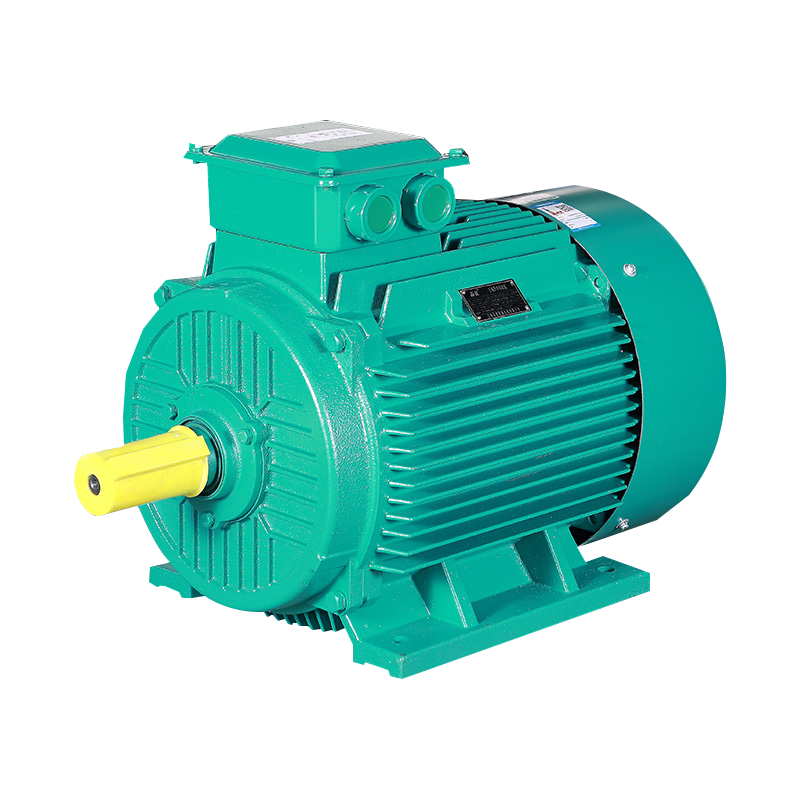
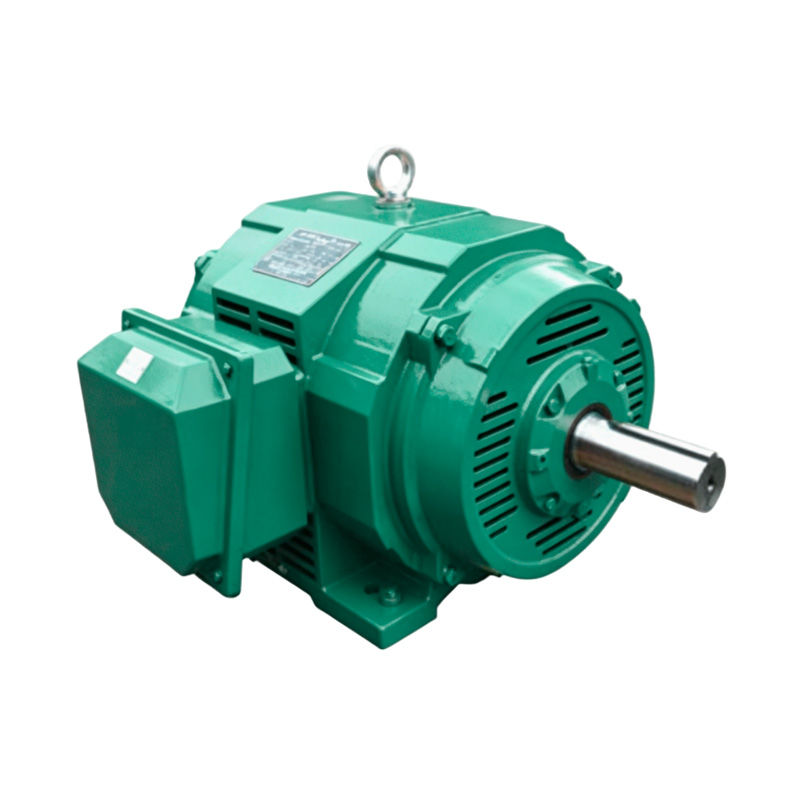
Our product portfolio addresses the complete spectrum of mining applications with appropriately specialized motor designs. For underground coal mining, we offer a comprehensive range of flameproof three-phase induction motors from 5.5kW to 2500kW in both low voltage (380V, 660V, 1140V) and medium voltage (3.3kV, 6.6kV, 10kV) configurations. These motors feature certified explosion protection for Group I (mining) applications, with Ex d (flameproof) or Ex de (flameproof with increased safety terminals) protection types. For surface mining and coal processing plants, we provide dust-ignition-proof motors and severe-duty motors with enhanced protection against abrasive dust ingress. Wound rotor slip ring motors (YR, YRKK series) are available for applications requiring high starting torque with controlled starting current, such as ball mills and large conveyors. High-efficiency IE3 and IE4 designs are incorporated where energy savings provide economic benefits without compromising the robust construction required for mining duty. Custom designs address specific OEM requirements for integration into mining machinery, with modifications to mounting arrangements, shaft extensions, cooling systems, and control interfaces.
Technical Support and Certification Management
Shanghai Pinxing provides comprehensive technical support services tailored to mining applications. Our engineering team assists with motor selection based on specific mining conditions, including altitude effects on cooling, voltage variation tolerance, and load cycle analysis. We maintain current certifications for major mining markets including Chinese MA (煤安) certification, Russian CU-TR certification for Eurasian markets, Australian AS/NZS standards compliance, and IECEx certification for international projects. Documentation packages include detailed installation manuals with mine-specific guidance on proper installation practices to maintain explosion protection integrity, maintenance schedules aligned with typical mining operating cycles, and failure analysis support to identify root causes in the event of operational issues. Training programs are available for mine maintenance personnel, covering proper maintenance procedures for flameproof motors, safety aspects of explosion-protected equipment, and troubleshooting techniques specific to mining environments.
Popular Industries And Applications
Underground Coal Mining Operations
In underground coal mines, motors power critical systems that ensure safety and enable production. Longwall mining systems utilize high-power electric motors ranging from 300kW to 1200kW per motor for shearer cutting drums, armored face conveyors (AFC), and stage loaders. These motors operate in confined spaces with explosive atmospheres, requiring compact yet powerful designs with certified flameproof enclosures. Continuous miners employ multiple motors for cutting, gathering, and conveying functions, with power requirements from 50kW to 400kW per motor. Mine ventilation systems represent another critical application, with main ventilation fans requiring motors from 200kW to 2500kW operating continuously with absolute reliability, often configured in redundant systems. Auxiliary fans for face ventilation utilize motors from 5.5kW to 75kW with portability considerations. Dewatering pumps throughout the mine network employ motors from 15kW to 500kW, often with variable speed control to adapt to changing water inflow rates. Conveyor systems transporting coal from the face to surface employ motors from 30kW to 800kW, with soft-start capability to manage loaded starts. All these applications demand motors with Group I explosion protection certification, enhanced mechanical robustness, and designs that facilitate maintenance in challenging underground environments.
Surface Mining and Quarrying
Surface mining operations including open-pit coal mines, mineral mines, and quarries present different but equally demanding conditions. Electric shovels and draglines utilize high-torque motors from 200kW to 1500kW for hoist, drag, swing, and propel functions, with exceptional overload capacity and dynamic braking capability. Drilling rigs for blast hole preparation employ motors from 75kW to 400kW with high starting torque for initial bit penetration and precise speed control. Crushing and screening plants in processing facilities use motors from 30kW to 750kW for crusher drives, vibrating screens, and conveyor systems, with designs that withstand vibration transmission and high dust levels. Stackers and reclaimers for bulk material handling employ motors from 15kW to 500kW with precise positioning control. While explosive gas atmospheres are less common in surface operations compared to underground, dust explosion hazards in coal handling areas require appropriate protection, and all motors must withstand extreme weather conditions, temperature variations, and abrasive dust. High-efficiency designs provide economic benefits given the continuous operation of many surface mining processes, with IE3 and IE4 motors increasingly specified for new installations and upgrades.
Coal Processing and Preparation Plants
Coal preparation plants transform raw coal into marketable products through washing, crushing, and sizing processes. Dense medium cyclones employ motors from 15kW to 110kW with reliable operation to maintain separation efficiency. Centrifugal dryers utilize motors from 30kW to 250kW with high starting torque to overcome initial inertia. Screens for size separation employ motors from 5.5kW to 45kW with designs that withstand constant vibration. Froth flotation cells for fine coal recovery utilize agitator motors from 7.5kW to 75kW with corrosion-resistant construction. Filter presses for dewatering employ motors from 11kW to 90kW with intermittent duty capabilities. Conveyor systems throughout the plant utilize motors from 4kW to 400kW with coordinated speed control. Compressed air systems for pneumatic conveying and controls employ compressor motors from 55kW to 350kW. These applications often involve potentially explosive coal dust atmospheres, requiring motors with appropriate dust-ignition-proof protection (Ex tD). Process efficiency demands reliable motor operation with minimal downtime, while energy efficiency considerations increasingly drive selection of premium efficiency motors for continuously operating equipment.
Mineral Mining Beyond Coal
While coal mining represents a major application area, hard rock mining for metals and minerals presents distinct requirements. Underground metal mines utilize motors for similar applications as coal mines (ventilation, dewatering, hoisting, conveyance) but without methane explosion hazards in most cases. However, dust explosion hazards may exist for certain minerals, and mechanical demands are often more severe due to harder rock and deeper mines. Hoist motors for mine elevators (cages) and skips represent particularly critical applications, with requirements for absolute reliability, precise speed control, and dynamic braking capability. Motors for grinding mills (SAG mills, ball mills) in mineral processing represent some of the largest motor applications in mining, with power requirements from 1MW to over 20MW per motor, often employing wound rotor designs for controlled starting. Pump motors for slurry transport handle abrasive mixtures, requiring designs with enhanced sealing and corrosion-resistant materials. These diverse applications benefit from motors engineered for severe duty with appropriate protection against the specific environmental challenges of each mining operation.
Hardcore Parameters
| Application | Typical Power Range | Voltage Level | Explosion Protection | Enclosure Protection | Key Design Features |
| Shearer & Continuous Miner Drives | 100-800 kW | 1140V, 3300V | Ex d I Mb | IP65 | Compact design, water cooling option, high torque density |
| Main Ventilation Fans | 200-2500 kW | 6.6kV, 10kV | Ex d I Mb or Ex de I Mb | IP55/IP65 | High reliability, redundant cooling, vibration monitoring |
| Face Ventilation Fans | 5.5-75 kW | 380V, 660V, 1140V | Ex d I Mb | IP65 | Portable, lightweight, easy maintenance |
| Dewatering Pumps | 15-500 kW | 380V, 660V, 3.3kV | Ex d I Mb or Ex de I Mb | IP68 (submersible options) | Corrosion resistance, wide voltage tolerance |
| Conveyor Drives (Underground) | 30-800 kW | 660V, 1140V, 3.3kV | Ex d I Mb or Ex de I Mb | IP65 | High starting torque, soft-start compatible |
| Hoist & Winder Motors | 300-3000 kW | 6.6kV, 10kV | Ex d I Mb or non-Ex for non-gassy mines | IP54/IP55 | Precise speed control, dynamic braking, high reliability |
| Crusher & Grinding Mill Drives | 200-20000 kW | 3.3kV, 6.6kV, 10kV, 11kV | As required (typically non-Ex for surface) | IP54/IP55 | High starting torque, shock load capacity, wound rotor options |
| Drill Rig Motors | 75-400 kW | 380V, 660V, 1000V | Ex d I Mb for underground, non-Ex for surface | IP65 | High torque at low speed, portable designs |
| Processing Plant Motors | 4-750 kW | 380V, 660V, 3.3kV | Ex tD A/B for dust areas | IP55/IP65 | Corrosion resistance, washdown capability |
1-Minute Selection Guide
Enclosure Material Selection for Corrosive Mine Atmospheres
Motor enclosures for mining applications require materials that withstand corrosive elements present in mine atmospheres, including hydrogen sulfide, sulfur dioxide (from sulfide ores), salt (in coastal or underground seawater intrusion), and acidic water. Cast iron with appropriate surface preparation and coating systems provides good corrosion resistance at reasonable cost, with epoxy-polyester hybrid powder coatings offering superior performance compared to traditional paint systems. For highly corrosive environments, stainless steel enclosures (typically 304 or 316 grades) may be specified, though at significantly higher cost and with potential magnetic considerations. Aluminum enclosures offer good corrosion resistance and lighter weight but require careful design for flameproof applications due to aluminum's lower ignition temperature for certain dusts. Internal components including fans, baffles, and terminal boxes may require different materials than the main frame - glass-reinforced plastics (GRP) offer excellent corrosion resistance for non-structural components. Material selection must also consider mechanical strength requirements, with cast iron generally providing better resistance to physical impacts common in mining. Surface treatments including zinc plating on fasteners and stainless steel inserts in threaded holes enhance durability in corrosive conditions. The complete material system should be evaluated through corrosion testing specific to the mine atmosphere when available.
Winding Insulation System Selection
Insulation systems for mining motors must withstand multiple stressors including thermal cycling, vibration, moisture, and potential chemical exposure. Class F (155°C) insulation is standard for most mining applications, providing adequate thermal margin for overload conditions. For high-reliability applications like main ventilation or hoist motors, Class H (180°C) insulation may be specified to provide additional thermal reserve. Insulation materials should have low hygroscopicity to resist moisture absorption in humid mine environments. Impregnation systems utilizing vacuum pressure impregnation (VPI) with epoxy or polyester resins provide complete encapsulation of windings, protecting against moisture and contamination. For motors exposed to acidic atmospheres or frequent washdown, additional chemical-resistant topcoats may be applied to windings. Corona protection is critical for high-voltage motors (3.3kV and above), with semi-conductive coatings and stress-grading materials applied to control electrical stress at winding ends. Insulation materials should be verified for compatibility with variable frequency drives if VFD operation is anticipated, as high-frequency switching can accelerate insulation aging through partial discharge. Documentation should include thermal class verification through standardized testing (IEC 60085) and compatibility with planned maintenance practices including potential cleaning methods.
Bearing System Selection for Mining Duty
Bearing selection for mining motors considers several factors unique to mining environments. Deep groove ball bearings are standard for horizontal motors up to approximately 400kW, with cylindrical roller bearings often used for larger motors or applications with high radial loads. Bearing materials typically use standard chromium steel (SAE 52100) for most applications, with stainless steel options for highly corrosive environments. Sealing systems must exclude fine dust particles while allowing for re-lubrication; labyrinth seals with grease purge provisions offer good performance for dusty environments. Bearing isolators incorporating non-contact labyrinth designs provide superior protection with minimal friction losses. Lubrication selection considers temperature range, re-lubrication interval requirements, and compatibility with potential contaminants. Synthetic greases with lithium complex or polyurea thickeners generally provide longer service intervals and better performance across temperature ranges than mineral oil-based greases. For vertical motor applications (common in pump installations), angular contact bearings or specially configured deep groove bearings accommodate axial thrust loads. Bearing housing designs should allow for proper grease purging to prevent lubricant degradation from over-greasing. Monitoring provisions including temperature sensors or vibration pickup mounts enable condition-based maintenance strategies.
Customized services
Custom Design for Mining OEM Integration
Shanghai Pinxing offers comprehensive custom design services for mining equipment manufacturers requiring motors integrated into their machinery. Our engineering team collaborates with OEM designers to optimize motor specifications for specific applications including shearers, continuous miners, roadheaders, and hydraulic roof supports. Customization options include specialized mounting configurations (flange mounts, footless designs), unique shaft extensions (splined, tapered, or specially keyed), integrated braking systems, and custom cooling arrangements (water jackets, heat exchangers). We adapt motor dimensions to fit within space constraints of mining machinery while maintaining performance requirements. Electrical characteristics can be tailored to match specific power supply conditions or control system requirements. Prototyping services allow for testing and validation before production commitment. Documentation packages include detailed interface drawings, installation procedures specific to the equipment, and performance data for system integration. These services enable mining equipment manufacturers to optimize their designs with motors specifically engineered for their applications rather than adapting standard motors with compromises.
Retrofit and Modernization Services
We provide specialized services for modernizing existing mining motor installations to improve performance, efficiency, or reliability. Retrofit assessments evaluate existing motors and driven equipment to identify improvement opportunities including efficiency upgrades (replacing older motors with IE3 or IE4 designs), reliability enhancements (improved insulation systems, bearing upgrades), or capability improvements (increased power, speed range expansion). Mechanical retrofitting adapts new motors to existing mounting foundations and coupling arrangements, minimizing installation downtime. Electrical retrofitting addresses changes in supply voltage, control system upgrades, or protection scheme modifications. For explosion-protected motors, we ensure retrofits maintain or improve upon original certification requirements. Documentation for retrofit projects includes comparison of original and new motor performance, installation instructions addressing any modifications required, and updated certification documentation. These services extend the life of mining equipment while incorporating modern motor technology improvements, often with attractive return on investment through energy savings or reduced maintenance costs.
Condition Monitoring and Predictive Maintenance Integration
Shanghai Pinxing offers integration services for condition monitoring systems on mining motors to enable predictive maintenance strategies. We can equip motors with sensor packages including vibration accelerometers, temperature sensors (bearing and winding), and partial discharge detectors for high-voltage motors. Installation can be performed at our factory or as a field retrofit on existing motors. Our engineering services assist in establishing baseline measurements and setting alarm thresholds based on motor-specific characteristics and application conditions. Data integration support helps connect motor sensors to existing mine monitoring systems through various communication protocols. Analysis services interpret monitoring data to provide maintenance recommendations, with remote diagnostic capabilities available for critical applications. Training programs educate maintenance personnel on interpreting condition data and planning maintenance based on actual equipment condition rather than fixed schedules. These services help mines transition from reactive or preventive maintenance to predictive approaches, reducing unplanned downtime and optimizing maintenance resource allocation.