
 English
 русский
 Français
 عربى
عربى
Why choose us?
Shanghai Pinxing's Robust Designs for Demanding Loads
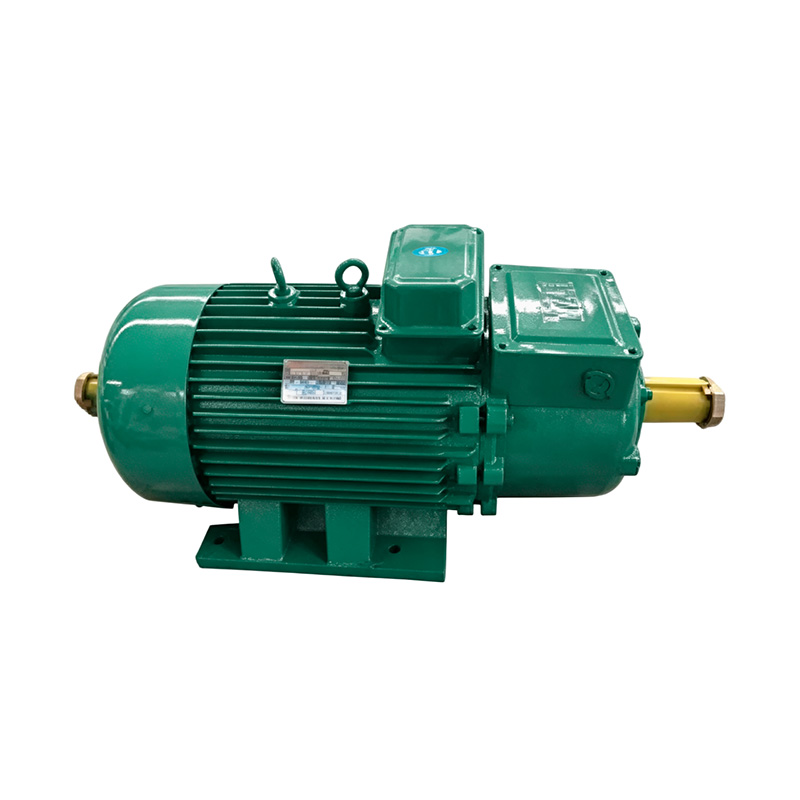
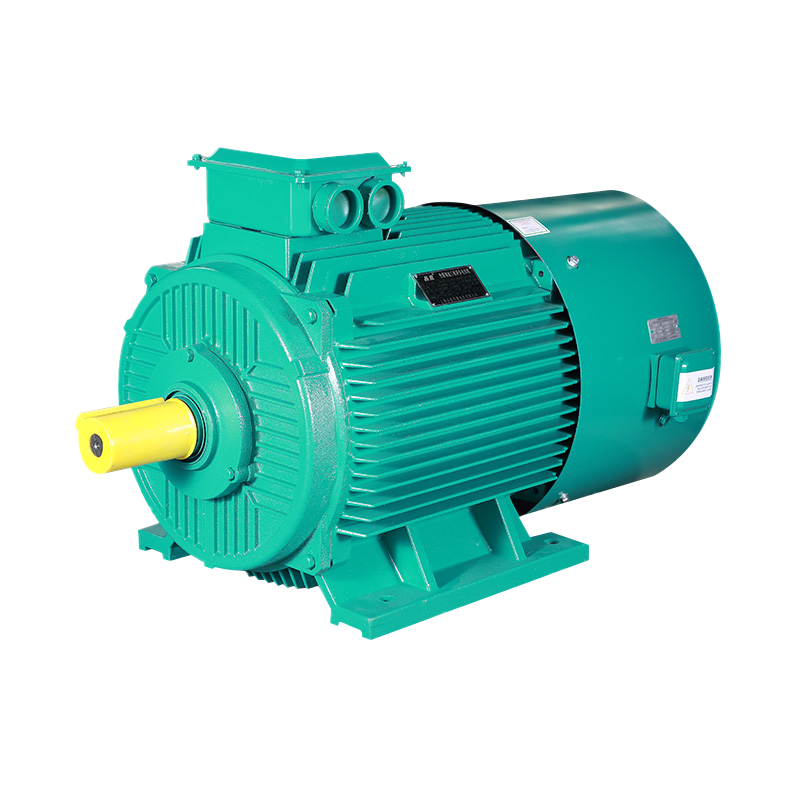
Shanghai Pinxing engineers motors with inherent robustness, making many of our standard products well-suited for applications with occasional overloads. Our **YR series wound rotor motors**, for example, are renowned for their high starting and breakdown torque, making them ideal for crushers and mills where jam events occur. For squirrel cage motors, we offer design variants with optimized rotor bar geometry to push the breakdown torque higher. We understand that in real-world industrial applications, loads are not always perfectly steady. Whether it's a conveyor experiencing a temporary surge of material, a mixer dealing with a viscous batch, or a pump facing an abnormal system head, our motors are built with the thermal and mechanical margins to handle these transients reliably, protecting your process from unnecessary trips and downtime.
Application-Specific Thermal Analysis
When overload requirements are defined and cyclic, our engineering team can perform a detailed duty cycle analysis. By modeling the heat input during overload periods and cooling during lighter loads, we can verify that the motor's temperature will remain within safe limits over the entire cycle. This allows us to confidently recommend a motor or specify a custom thermal design, ensuring it will perform as required without compromising its service life.
Popular Industries And Applications
Crushing and Grinding Equipment
Rock crushers and ball mills frequently experience momentary overloads when processing harder material or when a "tramp metal" event occurs. Motors must have high breakdown torque to avoid stalling and thermal capacity to handle the associated current surge.
Extruders and Mixers (Process Industry)
In plastics, rubber, or food processing, an extruder may see a spike in head pressure, or a mixer may encounter an unusually viscous batch. The drive motor must push through these temporary high-torque demands without tripping on overload.
Material Handling Conveyors
Conveyors, especially those feeding from a hopper, can experience pile-ups or surges of heavy material. The motor needs extra torque to restart a loaded belt or clear a jam.
Hydraulic Power Units
Motors driving hydraulic pumps may see transient overloads when cylinders hit end-strokes or when valves shift rapidly, causing pressure spikes. The motor must tolerate these current peaks.
Testing and Simulation Equipment
Dynamometers and test stands often subject motors to controlled overload conditions to simulate real-world stresses on the device under test. The motor itself must be robust enough to act as a reliable load source.
Hardcore Parameters
| Motor Type / Feature | Typical Breakdown Torque (% of FLT) | Typical Thermal Overload Capacity | Design Focus | Best For |
| Standard Squirrel Cage (NEMA B) | 200-225% | 115% FLC continuous (1.15 SF), 150% for ~60 sec | General purpose | Steady loads, minor transients |
| High Torque Squirrel Cage (NEMA C) | 225-250% | Similar to NEMA B | High breakaway & max torque | High inertia starts, moderate overloads |
| Double-Cage/Deep Bar Design | 250-300% | Enhanced due to more rotor material | High starting & max torque, good thermal mass | Cyclic loads, frequent starts/stops |
| Wound Rotor Motor | 250-350% (adjustable via resistance) | High thermal capacity in rotor | Extreme starting & overload, external heat dissipation | Severe overloads, high inertia, controlled start |
1-Minute Selection Guide
Quantifying Your Overload Requirements
When specifying, provide clear data: 1) **Magnitude:** What is the peak torque or current (as % of motor rating) required? 2) **Duration:** How long (in seconds or minutes) will this peak last? 3) **Frequency:** How often will this overload occur (once per shift, per hour)? 4) **Duty Cycle:** Describe the full load profile, including light-load or idle periods that allow for cooling. This information is essential for the manufacturer to perform a thermal verification.
Selecting Insulation Class for Overload Duty
For applications with frequent or significant overloads, specify a minimum of **Class F insulation** for standard duty, but strongly consider **Class H insulation**. The higher temperature rating of Class H provides a much larger margin to handle the temperature spike during an overload. This is one of the most effective ways to increase thermal overload capacity without physically enlarging the motor.
Customized services
Duty Cycle Analysis and Motor Sizing Service
We offer a detailed duty cycle analysis service. Provide us with a time-based profile of the required torque or power. Our engineers will simulate the motor's thermal response over this cycle to determine if a standard motor can handle it or if a custom thermal design is needed. This analysis prevents oversizing (which hurts efficiency) and undersizing (which causes failure).
Custom Thermal Design and Testing
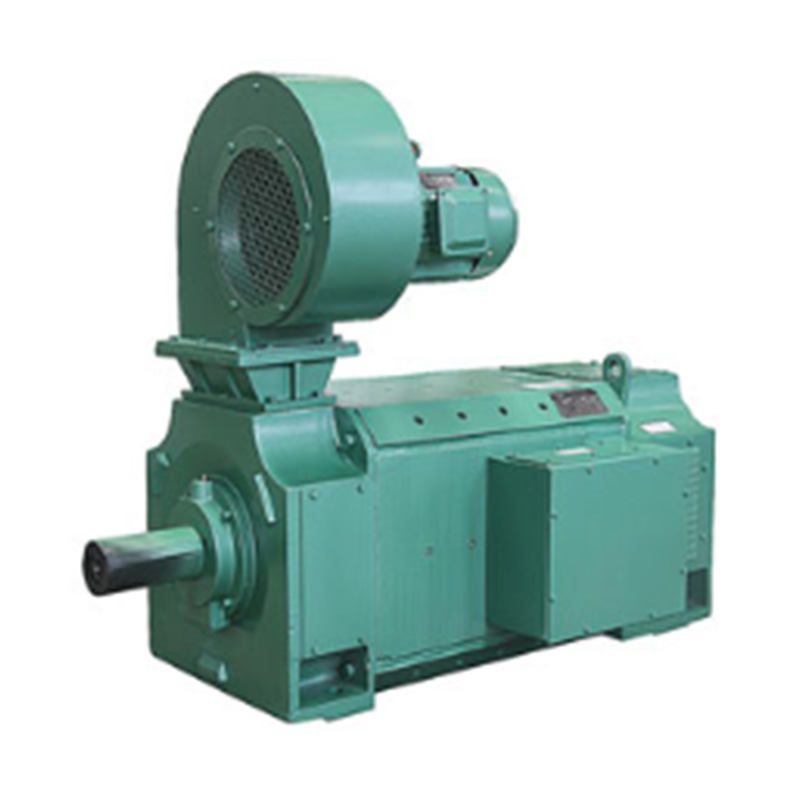
For applications with extreme or unique overload profiles, we can design a motor with customized thermal characteristics. This might involve adding extra cooling (like an independent blower), increasing the amount of active material (copper, iron), or using special low-loss steels. We can then subject a prototype to a simulated duty cycle test to validate its performance before full production.