
 English
 русский
 Français
 عربى
عربى
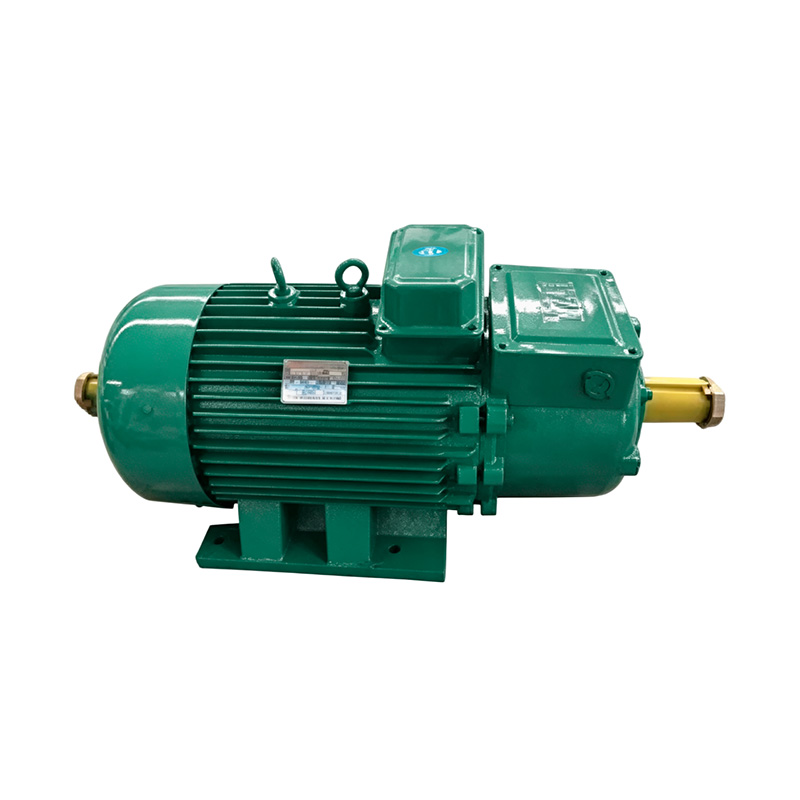
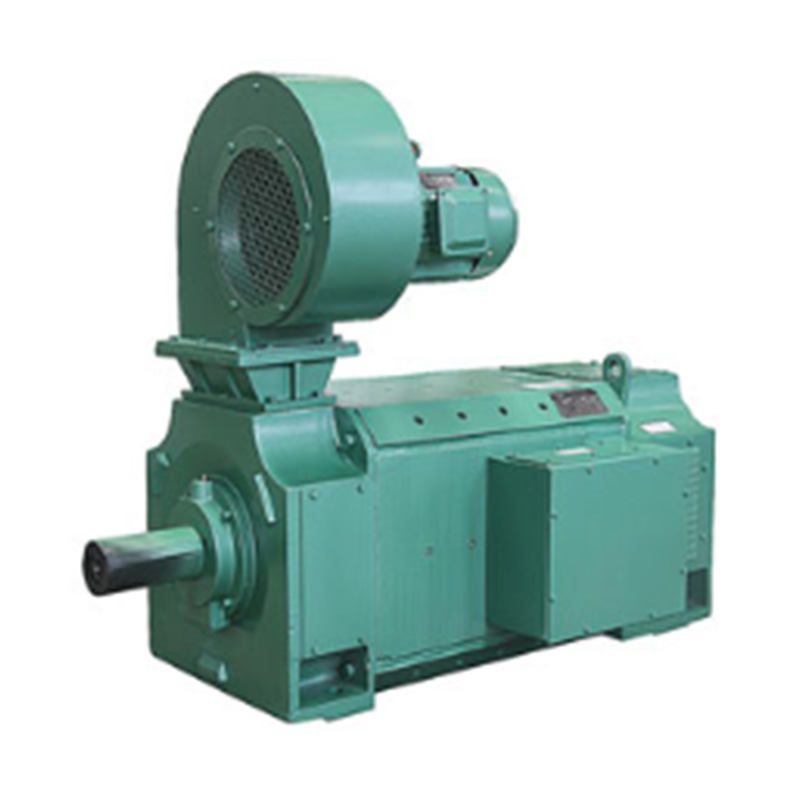
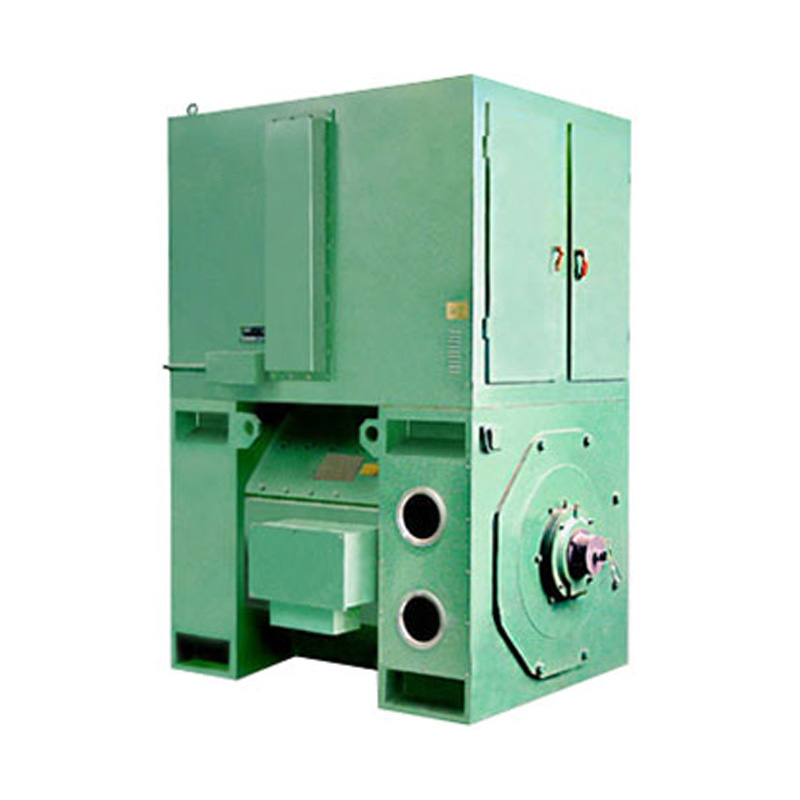
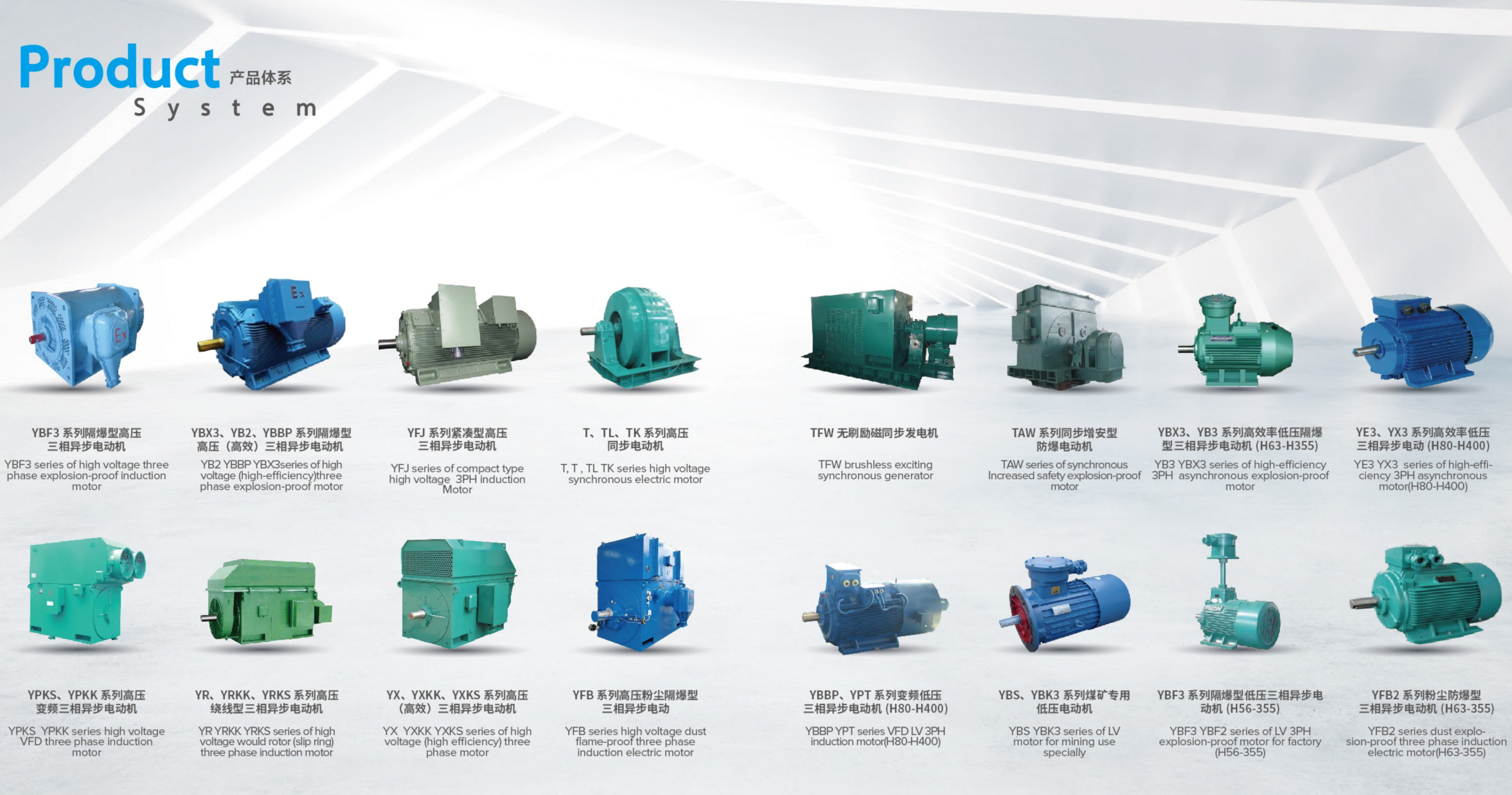
Why choose us?
Shanghai Pinxing's Compressor Drive Experience
Shanghai Pinxing Explosion-proof Motor Co., Ltd. has extensive experience supplying motors for compressor applications through collaboration with compressor manufacturers, system integrators, and end-users across industries. Our product development includes specific design enhancements for compressor drives, validated through installations in industrial, commercial, and process applications. The company maintains expertise in high starting torque design, cyclic load capability, and efficient operation under varying load conditions. Engineering services include system analysis to optimize motor selection for specific compressor types and operating conditions, with consideration of energy optimization through proper sizing and control. Documentation packages include installation guidelines specific to compressor applications and maintenance recommendations based on operating experience in similar systems.
Technical Solutions for Compressor Challenges
Our engineering team has implemented design improvements addressing compressor-specific requirements including enhanced torque capability for high starting demands, thermal management for heat transfer from compressor work, and vibration control for smooth operation. Material selection protocols consider compatibility with compressor lubrication systems and potential refrigerant exposures. Electrical designs accommodate the starting characteristics required for different compressor types with appropriate control integration. Testing protocols include evaluation under simulated compressor conditions including starting against backpressure and operation across load ranges. Performance testing measures efficiency across operating points to characterize energy performance under actual conditions. Commissioning support includes performance verification against system requirements and adjustment of control parameters for optimal operation. Training programs cover operation, maintenance, and troubleshooting specific to compressor systems.
Quality Assurance for Critical Systems
Shanghai Pinxing employs enhanced quality control procedures for compressor drive motors, recognizing their role in critical process systems. Testing protocols include extended run-in periods to verify stable operation, vibration analysis to ensure smooth operation across the speed range, and thermal testing to verify cooling effectiveness. Material certifications include specific verification of compatibility with compressor environments. Assembly procedures emphasize precision balancing and alignment to minimize vibration. Final testing incorporates performance verification across the operating range expected in compressor applications. Documentation packages support the requirements of compression system projects including performance data, efficiency certifications, and installation guidelines. Regulatory compliance includes verification against industry standards for compressor equipment and safety requirements for specific applications.
Popular Industries And Applications
Industrial Air Compression
Manufacturing facilities, processing plants, and industrial operations utilize compressor drive motors for plant air systems providing pneumatic power for tools, controls, and processes. These applications require reliable operation with minimal downtime for production continuity. Energy efficiency significantly impacts operational costs due to continuous operation. Variable speed operation allows capacity modulation for energy optimization. System design includes appropriate sizing for demand patterns with consideration of load factors. Maintenance programs monitor efficiency and condition to prevent unexpected failures. Standby capacity ensures continuous operation during maintenance or repair. Energy management strategies optimize compressor operation based on production schedules and demand patterns.
Refrigeration and Cooling Systems
Commercial refrigeration, industrial cooling, and HVAC chillers utilize compressor drive motors for refrigerant compression in cooling cycles. These applications require precise capacity control for temperature maintenance with varying loads. Energy efficiency directly impacts operating costs for continuously running systems. Reliability is critical for temperature-sensitive processes or product preservation. Materials must be compatible with refrigerants and lubrication oils. Variable speed operation provides optimal capacity control and energy performance. System design considers operating conditions including suction and discharge pressures, superheat, and subcooling. Maintenance programs include regular performance verification and refrigerant system checks.
Process Gas Compression
Chemical plants, refineries, and gas processing facilities utilize compressor drive motors for process gas compression including natural gas, hydrogen, and various process gases. These applications often require explosion-proof motors for hazardous areas. Reliability is critical for continuous process operations with high consequences of failure. Materials must be compatible with specific process gases and conditions. Efficiency optimization considers both motor efficiency and compressor efficiency for overall system performance. Control systems integrate with process automation for optimal operation. Maintenance programs include condition monitoring and preventive interventions based on operating hours and conditions. Safety systems protect against conditions including overpressure, high temperature, or seal failures.
Oil and Gas Production
Upstream oil and gas operations utilize compressor drive motors for gas gathering, compression, and transmission. These applications often operate in remote locations with harsh environmental conditions. Reliability requirements are extremely high due to difficult access for repairs. Materials must withstand corrosive environments including hydrogen sulfide. Energy efficiency considerations balance with reliability requirements. Variable speed operation may be employed for process optimization. Control systems accommodate remote operation and monitoring. Maintenance programs emphasize preventive measures and condition monitoring due to limited maintenance opportunities. Standby arrangements ensure continuous operation during maintenance events.
Marine and Offshore Applications
Marine vessels and offshore platforms utilize compressor drive motors for various services including starting air, control air, refrigeration, and process applications. These applications require motors designed for marine environments with saltwater corrosion protection. Reliability is critical for vessel operations with limited repair facilities. Space and weight considerations influence motor selection and installation. Materials must meet classification society requirements for marine use. Energy efficiency contributes to overall vessel fuel consumption. Control systems integrate with vessel automation systems. Maintenance programs align with vessel maintenance schedules and dry-docking periods.
Hardcore Parameters
| Compressor Type | Motor Requirements | Typical Specifications |
| Reciprocating | High starting torque, cyclic load capability | 200-250% starting torque, heavy duty construction |
| Rotary Screw | Smooth torque delivery, variable speed capability | VFD ready, precision balancing, low vibration |
| Centrifugal | Precise speed control, surge protection | High speed capability, precise control interfaces |
| Scroll | Smooth operation, compact design | Low vibration, space optimized, quiet operation |
| Power Range | 5kW to 5000kW across compressor types | Based on compressor size and application |
| Voltage Levels | 380V, 415V, 460V, 575V, 660V, 6kV, 10kV | Based on system design and power requirements |
| Starting Methods | DOL, star-delta, soft starter, VFD | Based on electrical system and starting requirements |
| Efficiency Classes | IE3 standard, IE4 for continuous operation | Energy cost optimization |
| Protection Degrees | IP54 standard, IP55/IP56 for harsh environments | Based on installation environment |
| Cooling Methods | IC411, IC416, IC81W | Based on installation and thermal requirements |
| Mounting Types | IM B3, IM B5, IM B35, direct flange mount | Based on compressor interface |
| Control Interfaces | Direct control, PLC interfaces, process integration | Based on system automation level |
| Materials | Standard or specialized based on environment | Based on application requirements |
| Certifications | Standard or explosion-proof as required | Based on application and location |
1-Minute Selection Guide
Material Selection for Compressor Environments
Material selection for compressor drive motors considers specific environmental exposures including potential oil mist, refrigerant contamination, process gas exposures, and general industrial atmospheres. Frame materials typically utilize cast iron for strength and vibration damping or coated steel/aluminum for specific applications. Shaft materials employ alloy steels with appropriate hardness for bearing and coupling operation, with potential coatings for corrosion resistance. Bearing materials include standard chrome steel for general applications or specialized materials for specific conditions. Insulation materials utilize Class F (155°C) or higher with resistance to potential contaminants. Coating systems follow ISO 12944 categories appropriate for the specific environment, with enhanced chemical resistance for oil or refrigerant exposures. Sealing materials include nitrile rubber for oil resistance, fluorocarbon for chemical resistance, and specific materials compatible with refrigerants. Terminal block materials utilize thermoset plastics with high tracking resistance for potentially contaminated environments. These material selections are documented with certifications and compatibility statements for specific compressor applications.
Component Specification Guidelines
Component specifications for compressor drive motors address specific application requirements. Bearings are selected based on load requirements including cyclic variations, speed capabilities, and environmental conditions. Shaft dimensions consider both mechanical strength for torque transmission and compatibility with compressor couplings. Terminal arrangements accommodate system wiring practices with options for various connection methods. Cooling system designs balance thermal requirements with environmental conditions and space constraints. Mounting configurations include standard foot mounting, specific flange mounts for direct compressor attachment, or resilient base options for vibration control. Nameplates utilize durable materials with permanent markings resistant to environmental exposure. Fasteners employ corrosion-resistant materials with appropriate strength for the application. Coupling considerations include proper selection for torque transmission and misalignment accommodation. These specifications ensure components meet the specific demands of compressor applications while maintaining reliability and performance.
Thermal Management Specifications
Thermal management for compressor drive motors addresses heat generation from both motor losses and potential heat transfer from compressor work. Cooling system designs provide adequate heat removal based on worst-case operating conditions. Internal airflow paths ensure effective heat removal from all motor components. External cooling surfaces are optimized for the installation environment. Temperature monitoring includes embedded sensors in critical locations with appropriate response times. Insulation systems utilize materials with good thermal conductivity to improve heat transfer from conductors. For applications with significant heat transfer from compressors, additional cooling capacity or specific mounting arrangements may be required. Testing verifies thermal performance under simulated operating conditions including maximum ambient temperature and full load operation. Documentation provides thermal data including temperature rise limits, cooling requirements, and installation recommendations for proper thermal management. These specifications ensure motors operate within temperature limits for reliable operation and long insulation life.
Customized services
Compressor System Engineering Services
Shanghai Pinxing provides engineering services for compressor system applications including system analysis, motor selection optimization, and control integration support. Our technical team reviews compressor system designs, operating conditions, and process requirements to recommend appropriate motor specifications. Engineering deliverables include motor selection calculations considering starting requirements, load characteristics, and efficiency optimization. For variable speed applications, we provide complete drive system specifications including motor, drive, and control parameters. Commissioning support includes performance verification against system requirements and adjustment of control parameters for optimal operation. Training programs cover operation, maintenance, and troubleshooting specific to compressor systems. System integration services assist with coordination between motor, compressor, and control systems for optimal performance.
Customization for Compressor Applications
Our manufacturing facilities support customization for compressor system requirements including special mounting configurations for specific compressor interfaces, custom shaft extensions for direct coupling, and enhanced protection systems for unique operating conditions. Modifications can include alternative cooling arrangements for high ambient temperatures, special material selections for corrosive or contaminated environments, and integration with compressor control systems. Performance customization options include specific starting torque characteristics, efficiency optimization for particular operating points, or special balancing for vibration-sensitive applications. Documentation packages include installation guidelines specific to compressor system environments and maintenance procedures addressing common compressor system issues. Production capabilities support quantities from single units for specific compressor models to multiple identical units for large projects or replacement programs.
Lifecycle Support for Compression Systems
We offer lifecycle support services for compressor drive motors including preventive maintenance planning aligned with compressor maintenance schedules, spare parts management with inventory recommendations based on criticality, and performance monitoring services to identify optimization opportunities. Maintenance planning includes recommended intervals based on specific operating conditions including start-stop cycles and load profiles. Spare parts management focuses on critical components with extended lead times. Performance monitoring helps identify efficiency degradation and predictive maintenance needs through operational data analysis. Emergency response services provide rapid support for critical motor failures to minimize system downtime. Documentation support includes as-built records for future reference during system upgrades or equipment replacements. Training services build in-house maintenance capabilities for compressor operators and maintenance staff.