
 English
 русский
 Français
 عربى
عربى
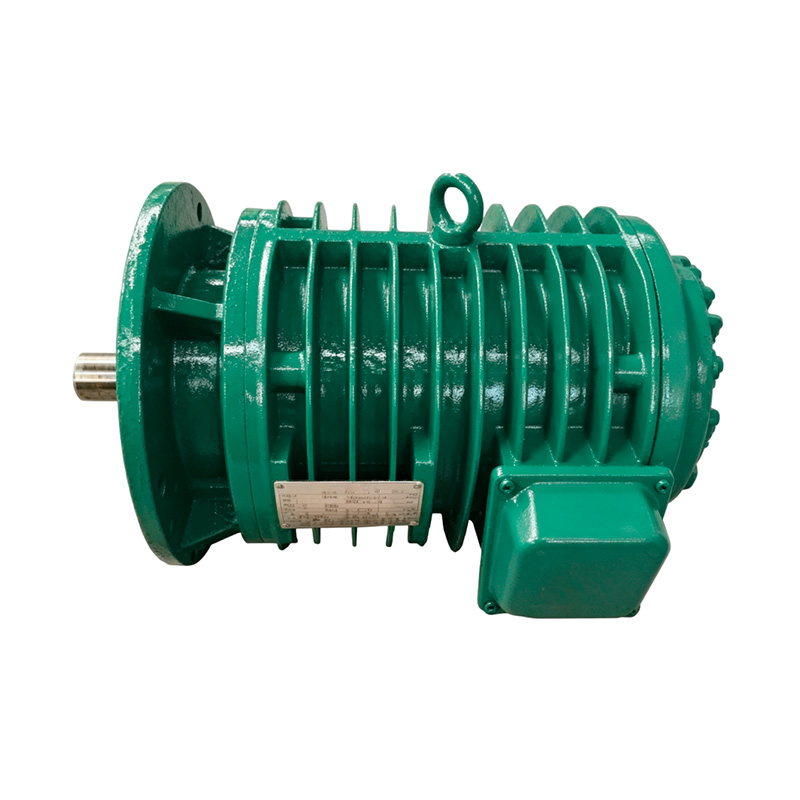
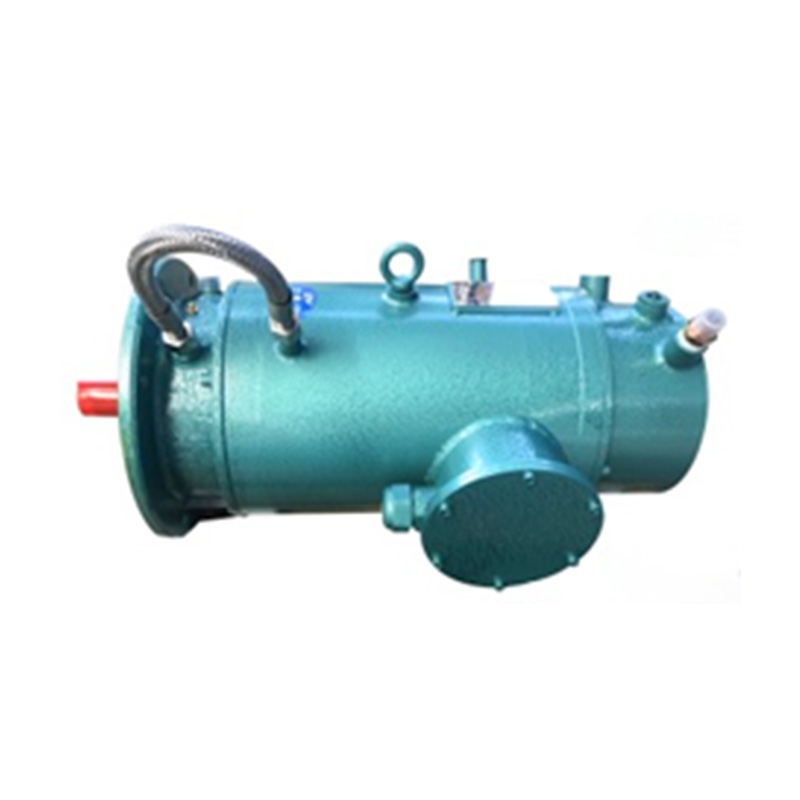
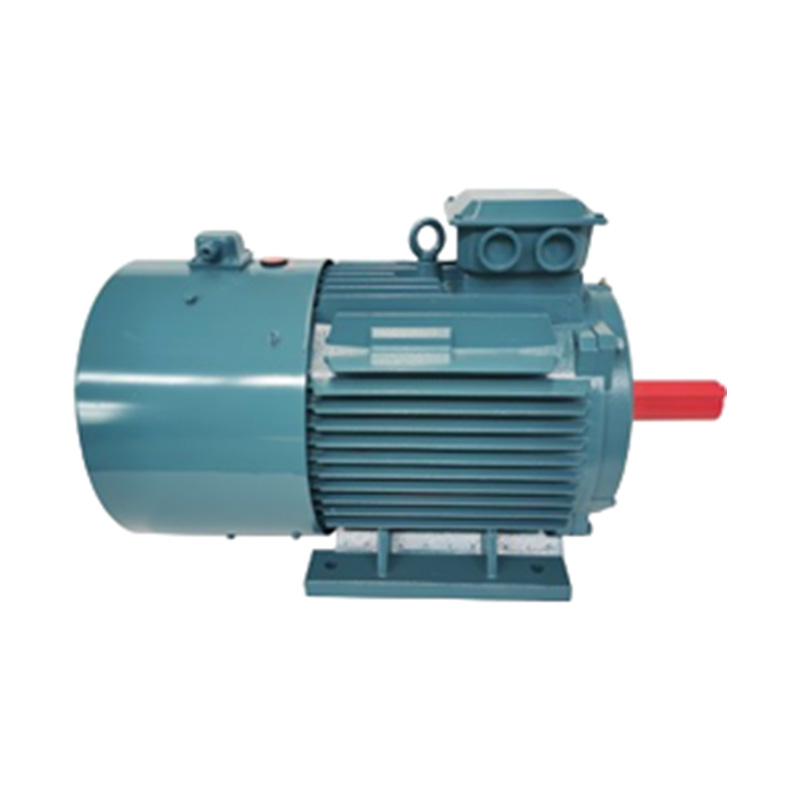
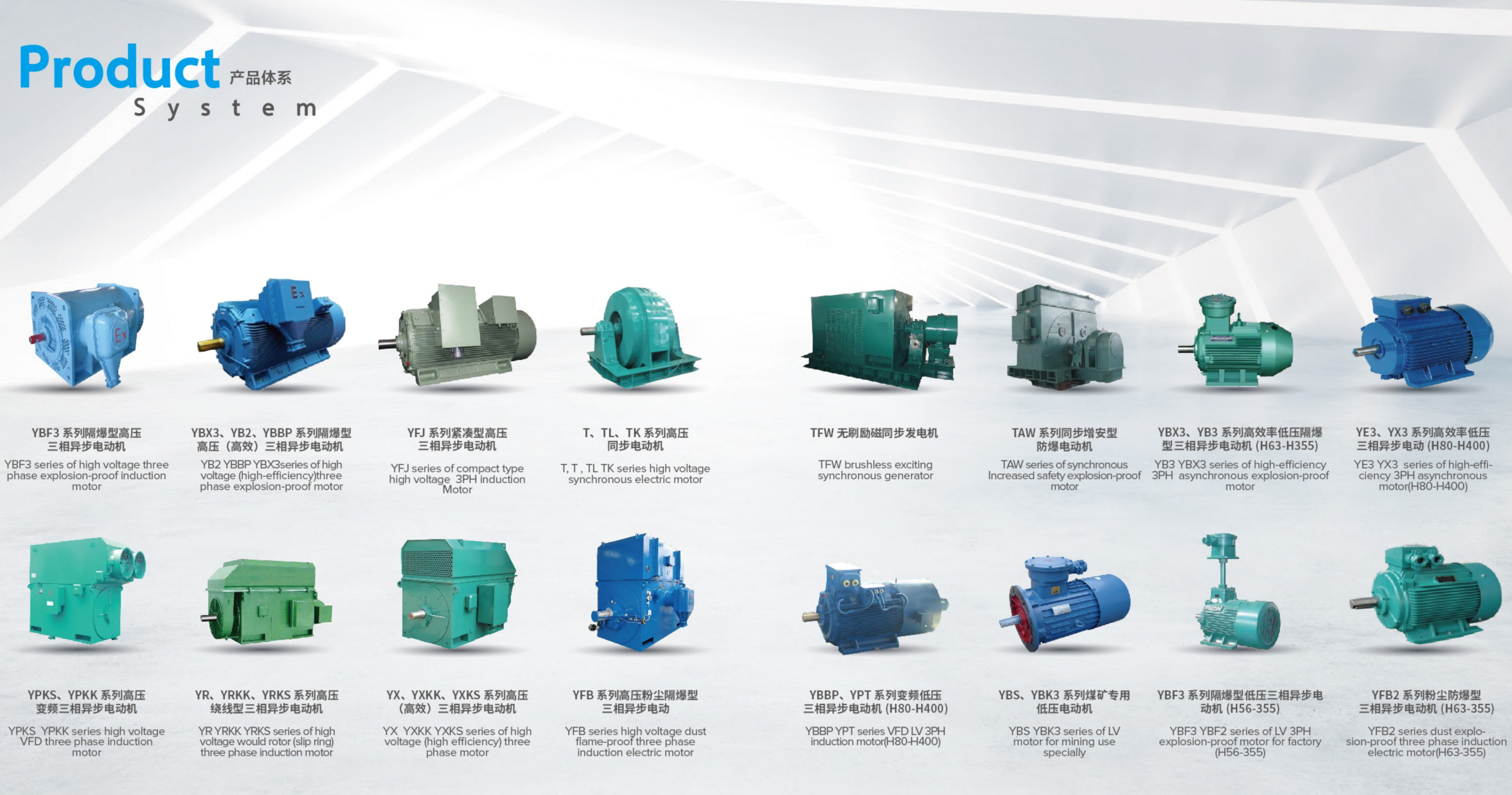
Why choose us?
Shanghai Pinxing's Cement Industry Expertise
Shanghai Pinxing Explosion-proof Motor Co., Ltd. has developed specialized expertise in cement plant motor applications through extensive collaboration with cement equipment manufacturers and direct engagement with cement producers. Our product development includes specific design enhancements for cement manufacturing environments, validated through installations in major cement plants worldwide. The company maintains comprehensive testing facilities for abrasion resistance evaluation, thermal performance under high ambient conditions, and vibration analysis for mill applications. Our engineering team has developed proprietary design methodologies for cement plant applications, incorporating field experience and failure analysis data.
Technical Solutions for Cement Challenges
Our engineering team has implemented design improvements addressing cement-specific requirements including enhanced sealing systems for abrasive dust environments, thermal management for high ambient temperature operation, and vibration-resistant construction for mill applications. Material selection protocols consider both abrasion resistance and thermal performance. Cooling system designs accommodate restricted airflow in dust-laden environments while maintaining effectiveness. Electrical designs consider the harmonic content and voltage fluctuations common in cement plant power systems. Documentation packages include installation guidelines specific to cement plant environments and maintenance recommendations based on operating experience.
Quality Assurance for Continuous Operation
Shanghai Pinxing employs enhanced quality control procedures for cement plant motors, recognizing their critical role in continuous production. Testing protocols include extended run-in testing under simulated load conditions, vibration analysis across the operating speed range, and thermal testing at elevated ambient temperatures. Material certifications include specific verification of abrasion resistance properties. Assembly procedures emphasize cleanliness to prevent contamination that could affect operation in dust-sensitive areas. Final testing incorporates performance verification under conditions simulating cement plant operating environments.
Popular Industries And Applications
Raw Material Preparation
Crusher drives, raw mill motors, and conveyor drives operate in highly abrasive environments with limestone, clay, and corrective material dust. These applications demand enhanced sealing to prevent dust ingress, abrasion-resistant surfaces for equipment protection, and high starting torque for loaded starts. Continuous operation requires reliable performance with extended maintenance intervals. Energy efficiency reduces operating costs for equipment running 24/7. Vibration resistance is critical for equipment subject to impact loads from material handling.
Kiln and Preheater Systems
Kiln drive motors, preheater fan drives, and cooler motors operate in high temperature environments with radiant heat from kiln surfaces. These applications require thermal resistance for ambient temperatures exceeding 100°C, precise speed control for process optimization, and reliability for continuous operation. Cooling system effectiveness must be maintained despite high ambient temperatures and potential dust accumulation. Energy efficiency significantly impacts production costs due to continuous operation. Variable speed capability allows process optimization and energy savings.
Finish Grinding and Blending
Cement mill drives, separator motors, and blending system drives operate with fine cement dust that infiltrates equipment. These applications demand enhanced sealing to prevent dust ingress that could affect bearing operation and cooling effectiveness, vibration-resistant construction for smooth operation, and precise speed control for product quality. Energy efficiency is particularly important due to the high power requirements of grinding operations. Maintenance accessibility must accommodate continuous operation with limited downtime windows.
Material Handling and Storage
Conveyor drives, stacker/reclaimer motors, and silo discharge systems operate with abrasive materials and potential mechanical shock. These applications require robust construction to withstand impact loads, reliable operation for continuous material flow, and energy efficiency for equipment operating extended hours. Dust protection is essential for motors located in material handling areas. Variable speed operation allows flow control and energy optimization based on production requirements.
Dust Collection and Emission Control
Baghouse fan drives, filter motors, and emission control system pumps operate in dust-laden environments requiring enhanced protection. These applications demand reliable operation for continuous environmental compliance, energy efficiency for equipment running 24/7, and maintenance-friendly designs for filter replacement periods. Explosion protection may be required for certain dust collection applications where combustible dust concentrations can occur.
Hardcore Parameters
| Process Stage | Motor Requirements | Special Design Features | ||
| Raw Material Crushing | High starting torque, abrasion resistance | Enhanced sealing, reinforced construction | ||
| Raw Mill Drives | Continuous operation, energy efficiency | Premium efficiency design, thermal management | ||
| Kiln Drives | Precise speed control, thermal resistance | High temperature insulation, cooling optimization | ||
| Cement Mill Drives | Vibration resistance, dust protection | Enhanced balancing, sealed construction | ||
| Material Handling | Robust construction, impact resistance | Reinforced mounting, shock-resistant design | ||
| Power Range | 50kW to 10000kW across applications | Based on equipment size and duty | ||
| Voltage Levels | 380V, 660V, 6kV, 10kV, 13.8kV | Plant electrical system design | ||
| Protection Degrees | IP55 standard, IP56/IP65 for dust areas | Enhanced dust protection | ||
| Insulation Class | Class H (180°C) for high temperature areas | Thermal endurance for kiln areas | ||
| Cooling Methods | IC611, IC81W, IC416 | Dust-protected cooling | ||
| Efficiency Classes | IE3 standard, IE4 for continuous operation | Energy cost optimization | ||
| Service Factor | 1.15 standard for cement applications | ContinuousProcess Stage | Motor Requirements | Special Design Features |
| Raw Material Crushing | High starting torque, abrasion resistance | Enhanced sealing, reinforced construction | ||
| Raw Mill Drives | Continuous operation, energy efficiency | Premium efficiency design, thermal management | ||
| Kiln Drives | Precise speed control, thermal resistance | High temperature insulation, cooling optimization | ||
| Cement Mill Drives | Vibration resistance, dust protection | Enhanced balancing, sealed construction | ||
| Material Handling | Robust construction, impact resistance | Reinforced mounting, shock-resistant design | ||
| Power Range | 50kW to 10000kW across applications | Based on equipment size and duty | ||
| Voltage Levels | 380V, 660V, 6kV, 10kV, 13.8kV | Plant electrical system design | ||
| Protection Degrees | IP55 standard, IP56/IP65 for dust areas | Enhanced dust protection | ||
| Insulation Class | Class H (180°C) for high temperature areas | Thermal endurance for kiln areas | ||
| Cooling Methods | IC611, IC81W, IC416 | Dust-protected cooling | ||
| Efficiency Classes | IE3 standard, IE4 for continuous operation | Energy cost optimization | ||
| Service Factor | 1.15 standard for cement applications | Continuous operation capability | ||
| Vibration Limits | Grade 1.0 for mill applications | Smooth operation requirements | ||
| Ambient Temperature | Up to 60°C standard, higher available | Kiln area conditions |
1-Minute Selection Guide
Material Selection for Cement Environments
Material selection for cement plant applications prioritizes abrasion resistance and thermal performance. Frame materials typically utilize high-grade cast iron with controlled chemistry for consistent mechanical properties and good damping characteristics. Shaft materials employ alloy steels with appropriate heat treatment for strength and wear resistance in seal areas. Bearing materials include high-grade steel with precision manufacturing for extended life in dusty conditions. Insulation materials utilize Class H (180°C) systems for high temperature areas. Coatings utilize abrasion-resistant systems with hard particles in the matrix. Fasteners employ higher strength grades with corrosion protection for the specific cement plant environment.
Component Specification Guidelines
Component specifications reflect the demanding cement plant environment. Bearings are selected with enhanced sealing and larger size for extended life in contaminated conditions. Shaft diameters are increased relative to standard designs to provide greater stiffness for mill applications. Terminal blocks utilize designs with gasketed covers and compression cable entries to prevent dust ingress. Cooling fans employ reinforced designs with balanced construction to withstand imbalance from dust accumulation. Nameplates utilize engraved stainless steel for permanent identification in abrasive environments. Fasteners employ higher grade materials with locking features to prevent loosening under vibration.
Coating System Selection
Coating systems for cement plant motors typically comprise three layers: epoxy primer for adhesion, epoxy intermediate with abrasion-resistant additives, and polyurethane topcoat for chemical resistance and color retention. Dry film thickness typically exceeds 300μm total for enhanced protection. Abrasion-resistant additives may include ceramic or aluminum oxide particles in the intermediate coat. Color selection often follows plant standards for equipment identification, with light colors sometimes preferred for heat reflection. Surface preparation requires Sa 2½ blast cleaning for optimal adhesion. Application procedures specify controlled environmental conditions to prevent contamination during application.
Customized services
Cement Application Engineering
Shanghai Pinxing provides engineering services for cement plant applications including process analysis, environmental condition evaluation, and equipment integration support. Our technical team reviews process flow diagrams, equipment specifications, and installation conditions to recommend appropriate motor specifications. Engineering deliverables include motor selection justification with efficiency calculations, installation details considering cement plant layouts, and commissioning procedures addressing plant startup sequences. For grinding mill applications, we provide vibration analysis and mounting recommendations to ensure smooth operation.
Customization for Cement Equipment Integration
Our manufacturing facilities support customization for integration with specific cement plant equipment including crushers, raw mills, kilns, cement mills, and material handling systems. Modifications include special mounting configurations for equipment interfaces, enhanced cooling systems for high temperature areas, and specific electrical characteristics for unique power system conditions. Custom shaft extensions, special bearing arrangements, and alternative terminal box locations are frequently specified. We collaborate with cement equipment manufacturers during design phases to optimize motor specifications for complete system performance.
Lifecycle Support for Continuous OperationCement Application Engineering
Shanghai Pinxing provides engineering services for cement plant applications including process analysis, environmental condition evaluation, and equipment integration support. Our technical team reviews process flow diagrams, equipment specifications, and installation conditions to recommend appropriate motor specifications. Engineering deliverables include motor selection justification with efficiency calculations, installation details considering cement plant layouts, and commissioning procedures addressing plant startup sequences. For grinding mill applications, we provide vibration analysis and mounting recommendations to ensure smooth operation.
Customization for Cement Equipment Integration
Our manufacturing facilities support customization for integration with specific cement plant equipment including crushers, raw mills, kilns, cement mills, and material handling systems. Modifications include special mounting configurations for equipment interfaces, enhanced cooling systems for high temperature areas, and specific electrical characteristics for unique power system conditions. Custom shaft extensions, special bearing arrangements, and alternative terminal box locations are frequently specified. We collaborate with cement equipment manufacturers during design phases to optimize motor specifications for complete system performance.
Lifecycle Support for Continuous Operation
We offer lifecycle support programs for cement plant motors including preventive maintenance planning aligned with plant maintenance schedules, spare parts management with strategic inventory recommendations, and performance monitoring services to identify optimization opportunities. Maintenance planning includes recommended intervals based on specific operating conditions in different plant areas. Spare parts management focuses on critical components with extended lead times. Performance monitoring helps identify efficiency improvements and predictive maintenance needs through operational data analysis. Emergency support services provide rapid response for critical motor failures to minimize production losses.