
 English
 русский
 Français
 عربى
عربى
Why choose us?
Shanghai Pinxing's High-Temperature Expertise
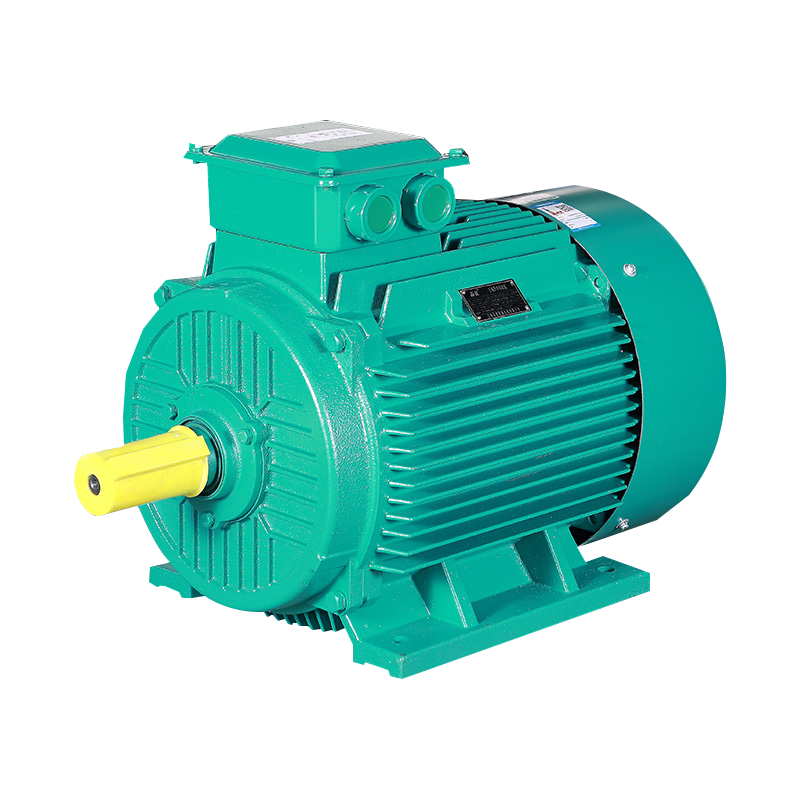
Shanghai Pinxing Explosion-proof Motor Co., Ltd. has developed specialized expertise in high ambient temperature motor design through collaboration with industries operating in extreme thermal environments. Our engineering team has implemented design solutions validated through testing at elevated temperatures in controlled environmental chambers. The company maintains testing facilities capable of simulating high ambient conditions up to 70°C, with measurement systems for detailed thermal analysis. Manufacturing processes incorporate specific quality controls for high-temperature components including insulation system application and material verification. Documentation systems maintain complete performance data for high-temperature operation, including temperature rise characteristics, efficiency at elevated temperatures, and thermal cycling performance. Technical support services assist customers with thermal environment assessment and appropriate motor selection for specific temperature conditions.
Technical Development for Thermal Challenges
Our engineering department has developed proprietary solutions for high-temperature challenges including insulation systems with enhanced thermal endurance, cooling system optimizations for reduced temperature differentials, and material selections that maintain properties at elevated temperatures. Testing protocols include extended operation at maximum rated ambient temperatures to verify thermal stability and reliability. Performance measurement at elevated temperatures characterizes efficiency changes and power factor characteristics under actual operating conditions. Material evaluation includes thermal aging testing to predict long-term performance. Commissioning support includes verification of installation practices that don't impede cooling, such as proper spacing from heat sources and adequate ventilation. Training programs cover operation and maintenance specific to high-temperature environments, emphasizing thermal monitoring and preventive measures for temperature-related issues.
Quality Assurance for Extreme Conditions
Shanghai Pinxing employs enhanced quality control procedures for high ambient temperature motors, recognizing their critical role in demanding thermal environments. Material inspection includes verification of thermal class ratings and high-temperature performance characteristics. Component testing evaluates insulation systems at elevated temperatures with dielectric strength verification. Assembly procedures ensure proper clearances accounting for thermal expansion. Final testing includes operation at elevated ambient temperatures with comprehensive thermal measurement. Documentation provides detailed temperature data including temperature rise at various ambient conditions, thermal time constants, and derating recommendations. These rigorous quality assurance processes ensure high ambient temperature motors meet design specifications and reliability expectations for challenging thermal environments.
Popular Industries And Applications
Furnace and Kiln Applications
Steel mills, glass manufacturing, ceramic production, and heat treatment facilities utilize high ambient temperature motors near furnaces and kilns where radiant heat creates extreme thermal environments. These applications require motors capable of withstanding ambient temperatures of 60-80°C or higher, with additional consideration for radiant heat from hot surfaces. Materials must maintain properties at elevated temperatures with minimal degradation. Cooling systems must function effectively despite high ambient temperatures and potential dust or fume exposures. Reliability is critical for continuous production processes with high downtime costs. Energy efficiency considerations balance with cooling requirements. Maintenance programs monitor thermal performance and component condition. System integration considers thermal expansion effects on alignment and connections.
Desert and Tropical Environments
Oil and gas operations, mining facilities, and infrastructure projects in desert or tropical regions utilize high ambient temperature motors exposed to extreme outdoor conditions. These applications combine high ambient temperatures (50-60°C) with additional factors including solar radiation, dust, and in tropical areas, high humidity. Materials must withstand UV exposure and thermal cycling. Cooling systems must accommodate reduced temperature differentials while resisting dust contamination. Protection systems address both thermal and environmental challenges. Reliability requirements are high due to remote locations and difficult access for repairs. Energy efficiency reduces fuel consumption for generator-powered operations. Maintenance programs emphasize thermal monitoring and cooling system maintenance. Installation practices consider solar orientation and ventilation.
Process Heating Applications
Chemical processing, food production, and manufacturing facilities utilize high ambient temperature motors in areas with process heating equipment. These applications involve elevated ambient temperatures from process heat with potential cyclical variations. Motors must withstand not only high temperatures but also potential thermal cycling as processes start and stop. Materials must maintain properties through temperature variations. Cooling systems must provide consistent performance despite changing ambient conditions. Reliability ensures continuous process operation. Energy efficiency reduces operating costs for continuously running equipment. Maintenance programs monitor thermal performance and component condition through thermal cycles. System integration coordinates with process equipment that may also experience temperature effects.
Power Generation and Utilities
Power plants, boiler rooms, and utility facilities utilize high ambient temperature motors in areas with heat-generating equipment. These applications involve ambient temperatures elevated by equipment operation rather than process requirements. Motors must operate reliably in mechanical rooms or enclosures where temperatures exceed standard conditions. Cooling system effectiveness must be maintained despite limited ventilation in enclosed spaces. Materials must withstand continuous operation at elevated temperatures. Reliability is critical for utility operations. Energy efficiency reduces operating costs for continuously running equipment. Maintenance programs emphasize thermal monitoring and cooling system maintenance. Installation practices ensure adequate ventilation and heat dissipation.
Marine and Offshore Applications
Engine rooms, machinery spaces, and offshore platforms utilize high ambient temperature motors in confined spaces with limited ventilation and heat from other equipment. These applications combine high ambient temperatures with humidity and potential salt exposure. Materials must withstand corrosive marine environments at elevated temperatures. Cooling systems must function effectively in confined spaces with limited airflow. Reliability requirements are extremely high due to difficult access for repairs. Energy efficiency contributes to overall vessel or platform fuel consumption. Maintenance programs align with vessel schedules and consider limited access during operation. Installation practices optimize space utilization while maintaining cooling effectiveness.
Hardcore Parameters
| Ambient Temperature | Design Requirements | Typical Modifications |
| 50°C | Enhanced insulation, optimized cooling | Class H insulation, improved cooling surfaces |
| 55°C | Higher thermal class materials, derating consideration | Class H or higher, enhanced cooling systems |
| 60°C | Significant design modifications, derating typically required | Class H/C insulation, special cooling arrangements |
| 65°C | Extensive redesign, substantial derating | Highest thermal classes, alternative cooling methods |
| 70°C | Specialized design, significant derating | Maximum thermal classes, water cooling often required |
| Insulation Classes | Class F (155°C), Class H (180°C), Class C (220°C) | Selected based on ambient and temperature rise |
| Cooling Methods | IC411, IC416, IC81W, IC666 | Selected based on ambient and installation |
| Temperature Rise | Reduced margins at higher ambient | Optimized for specific ambient conditions |
| Derating Factors | Power reduction at elevated ambient | Calculated based on thermal design |
| Material Selections | High-temperature compatible | Selected for properties at operating temperatures |
| Power Range | Standard ranges with appropriate derating | Based on application requirements |
| Voltage Ratings | Standard industrial voltages | With appropriate insulation for temperature |
| Efficiency | Maintained with design optimization | May be affected by cooling modifications |
| Certification | Temperature class verification | Testing at elevated ambient conditions |
1-Minute Selection Guide
Insulation Material Selection
Insulation material selection for high ambient temperature motors prioritizes thermal endurance and property maintenance at elevated temperatures. Class H (180°C) materials include mica-based systems with appropriate binders, glass-backed materials, and high-temperature polymers. Class C (220°C) materials may include ceramic-based systems or specially formulated organic-inorganic composites. Magnet wire insulation utilizes polyimide, amide-imide, or similar high-temperature materials with appropriate coating thickness. Slot liners and phase separators employ materials with good thermal conductivity and mechanical strength at temperature. Impregnation resins utilize epoxy, polyester, or silicone systems with appropriate thermal properties. Material testing includes thermal endurance evaluation per IEC 60085, with temperature index determination through accelerated aging. Compatibility testing ensures materials work together without degradation at operating temperatures. Documentation includes material certifications and thermal class verification. These selections ensure insulation systems provide reliable performance throughout service life in high-temperature environments.
Cooling System Component Materials
Cooling system component materials for high ambient temperature applications must maintain properties and effectiveness at elevated temperatures. Fan materials utilize high-temperature polymers or metals with appropriate strength and dimensional stability. Heat exchanger materials for water-cooled designs employ corrosion-resistant metals with good thermal conductivity. Ducting and airflow components utilize materials resistant to thermal deformation. Thermal interface materials ensure good heat transfer between components. Lubricants for cooling fan bearings utilize high-temperature greases with appropriate base oils and thickeners. Sealing materials for water circuits employ high-temperature elastomers or specialized compounds. Material testing includes thermal cycling to verify performance stability. Compatibility testing ensures materials don't degrade in the operating environment. Documentation provides material specifications and temperature performance data. These selections ensure cooling systems maintain effectiveness despite high ambient temperatures.
Structural Material Specifications
Structural material specifications for high ambient temperature motors consider property maintenance and dimensional stability at elevated temperatures. Frame materials utilize cast iron or steel with controlled thermal expansion characteristics. Shaft materials employ alloy steels with appropriate heat treatment for strength retention at temperature. Bearing housing materials maintain dimensional stability and proper fits. Fastener materials utilize higher strength grades with appropriate locking features. Terminal box materials employ high-temperature thermosets or ceramics. Nameplate materials utilize engraved metal with permanent markings resistant to temperature effects. Material testing includes evaluation of mechanical properties at elevated temperatures. Thermal expansion measurement verifies compatibility between components. Documentation includes material specifications and temperature performance data. These specifications ensure structural integrity and proper operation throughout the temperature range.
Customized services
High-Temperature Application Engineering
Shanghai Pinxing provides engineering services for high ambient temperature applications including thermal environment assessment, cooling system design, and motor selection optimization. Our technical team reviews specific temperature conditions, heat sources, and installation environments to recommend appropriate motor specifications. Engineering deliverables include thermal analysis reports, cooling system recommendations, and motor selection justifications. For complex environments, we provide system analysis considering combined factors like high temperature with dust or humidity. Commissioning support includes verification of installation practices that maintain cooling effectiveness. Training programs cover operation and maintenance specific to high-temperature environments. Documentation services prepare comprehensive packages including thermal performance data, installation guidelines, and maintenance procedures. These services ensure proper motor application in high-temperature environments with appropriate cooling and thermal management.
Custom Design for Extreme Conditions
Our manufacturing facilities support custom design for extreme temperature conditions including special insulation systems, enhanced cooling arrangements, and high-temperature material selections. Modifications can include alternative insulation materials for higher temperature classes, special cooling system configurations for limited ventilation spaces, or material upgrades for specific temperature ranges. Performance customization options include efficiency optimization for high-temperature operation or special balancing for thermal expansion considerations. Documentation packages include temperature performance data, cooling system specifications, and maintenance recommendations for high-temperature operation. Production capabilities support quantities from single units for specific applications to multiple identical units for facility-wide implementations. Quality control procedures ensure custom designs maintain reliability and performance standards at elevated temperatures.
Thermal Performance Testing Services
We offer thermal performance testing services for motors operating in high ambient conditions including temperature rise measurement, cooling system evaluation, and thermal cycling testing. Testing facilities include environmental chambers capable of simulating high ambient temperatures up to 70°C with controlled humidity. Services include temperature measurement at multiple locations under load, thermal imaging for hot spot identification, efficiency measurement at elevated temperatures, and thermal cycling to verify component integrity. Testing can be conducted on prototype designs or production units for verification. Documentation includes detailed test reports with temperature data, thermal images, and performance characteristics. Analysis services interpret test results and recommend design improvements if needed. These services verify motor capability for reliable operation in high ambient environments and support performance optimization.