
 English
 русский
 Français
 عربى
عربى
Why choose us?
Shanghai Pinxing's Dust Environment Expertise
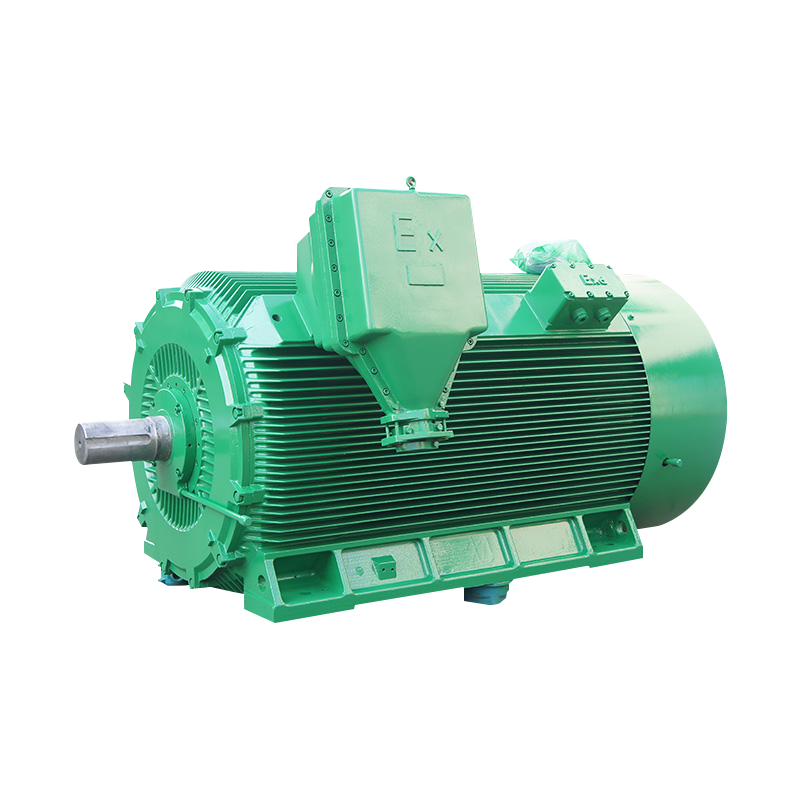
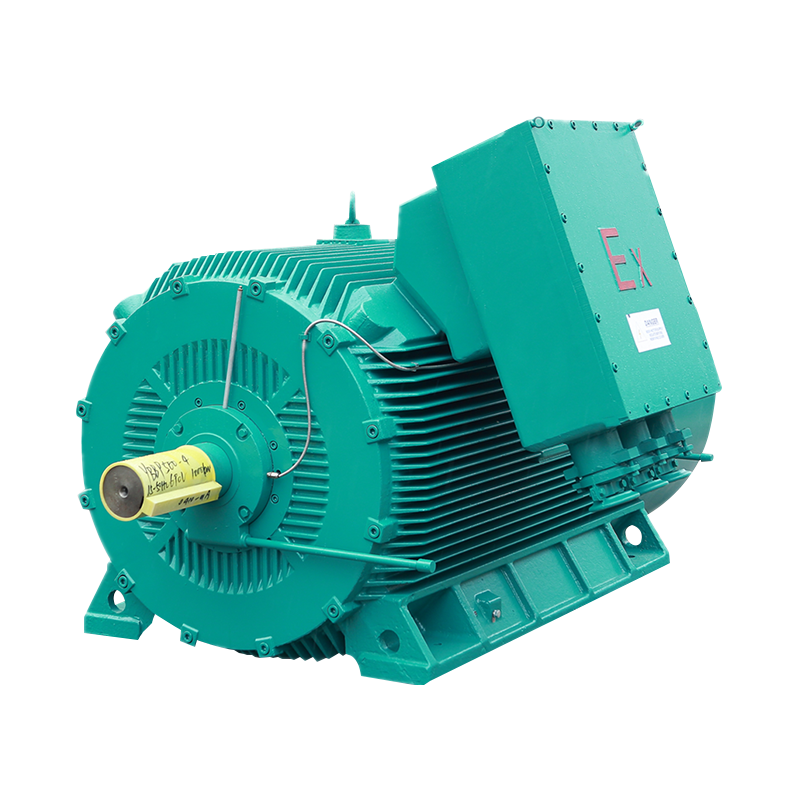
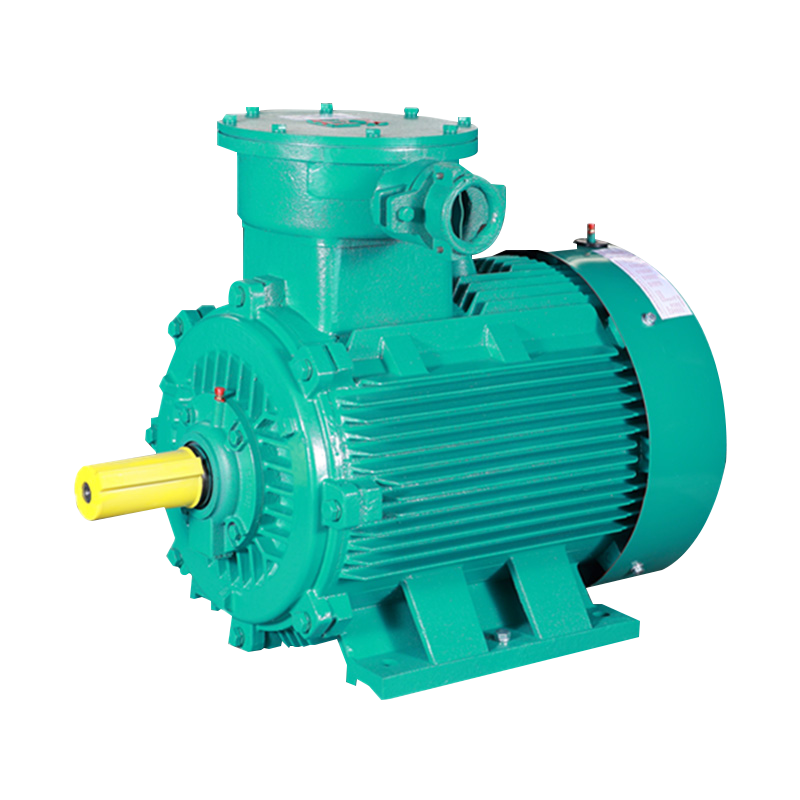
Shanghai Pinxing Explosion-proof Motor Co., Ltd. has developed specialized expertise in dust ignition proof motor design through collaboration with industries where combustible dust hazards are prevalent. Our engineering team has implemented design solutions validated through testing with various dust types including agricultural, chemical, metal, and plastic dusts. The company maintains testing capabilities for dust ignition protection verification, including temperature measurement under dust layer conditions and ingress testing with fine dusts. Manufacturing processes incorporate specific quality controls for dust-proof features including seal integrity verification and surface finish requirements. Documentation systems maintain complete certification records for dust ignition proof motors, including test reports with specific dust types and installation guidelines for dusty environments.
Technical Solutions for Dust Challenges
Our engineering department has developed proprietary solutions for dust environment challenges including enhanced sealing systems that maintain integrity despite thermal cycling and vibration, surface treatment technologies that minimize dust adhesion, and cooling system designs that maintain temperature limits under dust accumulation conditions. Material selection protocols consider both the abrasive nature of many dusts and potential chemical interactions. Testing protocols include extended operation under simulated dust loading to verify long-term protection integrity. Commissioning support includes verification of installation practices that maintain dust protection, such as proper cable gland installation and maintenance of seal integrity during connection. Training programs cover operation and maintenance specific to dusty environments, emphasizing the importance of regular cleaning and seal inspection.
Certification and Compliance Management
Shanghai Pinxing maintains comprehensive certifications for dust ignition proof motors including IECEx, ATEX, and specific national approvals for hazardous dust environments. Certification management includes documentation of testing with representative dust types, verification of temperature class maintenance under worst-case conditions, and ongoing quality assurance to maintain certification integrity. Our quality management system includes specific procedures for dust-proof motor production, with additional controls for critical sealing components and surface treatments. Documentation packages support regulatory compliance for facilities with dust explosion hazards, including hazardous area classification documentation and equipment suitability verification. Technical support assists customers with dust hazard assessment and appropriate motor selection for specific dust types and conditions.
Popular Industries And Applications
Grain and Agricultural Processing
Grain elevators, flour mills, feed processing plants, and agricultural facilities utilize dust ignition proof motors in areas where combustible grain dusts accumulate. These applications require protection against dust clouds during handling operations and dust layers during idle periods. Temperature classes must be below the ignition temperature of specific grain dusts (typically 300-400°C for wheat dust). Materials must withstand abrasive dust characteristics. Regular cleaning requirements influence motor design for easy maintenance. Energy efficiency reduces operating costs for continuously operating equipment. System integration includes consideration of dust collection system interactions. Maintenance programs emphasize seal integrity and surface cleaning to maintain protection effectiveness.
Wood and Paper Processing
Sawmills, wood processing plants, and paper manufacturing facilities employ dust ignition proof motors where wood dust or paper fibers create explosion hazards. These applications require protection against both fine dust clouds and layer accumulations. Temperature classes must accommodate the relatively low ignition temperatures of some wood dusts (as low as 200°C for certain species). Materials must resist resinous deposits from some wood types. Cooling system designs prevent dust accumulation on heat transfer surfaces. Regular maintenance includes inspection for dust penetration and cleaning of external surfaces. Energy efficiency considerations balance with protection requirements. System design coordinates with dust collection and ventilation systems.
Chemical and Pharmaceutical Manufacturing
Chemical processing plants, pharmaceutical manufacturing, and powder handling facilities utilize dust ignition proof motors where combustible chemical dusts are present. These applications require material compatibility with specific chemical dusts in addition to explosion protection. Temperature classes must be below the minimum ignition temperature of specific chemical compounds. Sealing systems must prevent ingress of fine powders that could affect internal components. Cleaning procedures must be compatible with process requirements and cleaning agents. Energy efficiency reduces operating costs while maintaining safety. Maintenance programs include regular inspection for chemical attack on seals and surfaces. Documentation requirements often include material compatibility statements and cleaning procedure validation.
Metal Processing and Manufacturing
Metalworking facilities, powder metallurgy operations, and metal processing plants employ dust ignition proof motors where metal dusts create explosion hazards. These applications require special consideration for conductive metal dusts that can create electrical tracking hazards. Temperature classes must accommodate the high ignition temperatures of most metal dusts. Materials must withstand abrasive characteristics of metal particles. Sealing systems must exclude fine metal powders that could cause electrical issues. Regular maintenance includes inspection for dust accumulation and cleaning to prevent layer buildup. Energy efficiency considerations apply to continuously operating equipment. System integration considers potential static electricity generation in metal dust handling.
Plastics and Rubber Processing
Plastics manufacturing, rubber processing, and synthetic material plants utilize dust ignition proof motors where plastic or rubber dusts create explosion hazards. These applications require consideration of the electrostatic properties of plastic dusts. Temperature classes must be below the ignition temperatures of specific polymers. Materials must resist potential chemical interactions with plastic additives. Sealing systems must prevent ingress of fine plastic powders. Regular maintenance includes cleaning to prevent dust accumulation that could melt from surface temperatures. Energy efficiency reduces operating costs for continuous processes. System design coordinates with dust collection and ventilation for plastic processing areas.
Hardcore Parameters
| Protection Parameter | Dust Ignition Proof Specifications | Standards and Testing |
| Protection Type | Ex tD A/B/C (dust ignition protection) | IEC 60079-31, ATEX directive |
| Dust Groups | IIIA, IIIB, IIIC certified | Based on dust conductivity and characteristics |
| Temperature Classes | T85°C to T450°C available | Based on dust ignition temperatures |
| Ingress Protection | IP6X standard (dust-tight) | IEC 60529 testing |
| Surface Treatment | Non-adhesive finishes, smooth surfaces | Dust accumulation prevention |
| Sealing Systems | Multiple gasket layers, labyrinth seals | Dust penetration testing |
| Cooling Methods | Enhanced cooling for temperature control | Temperature rise testing with dust layers |
| Material Compatibility | Selected for specific dust types | Chemical resistance testing |
| Power Range | 0.75kW to 1000kW | Based on application requirements |
| Voltage Ratings | 380V, 415V, 460V, 575V, 660V | Standard industrial voltages |
| Efficiency Classes | IE2, IE3, IE4 available | IEC 60034-30-1 |
| Mounting Types | IM B3, IM B5, IM B35 | Standard mounting arrangements |
| Certification Marks | IECEx, ATEX, specific national approvals | Market-specific requirements |
| Documentation | Dust group certifications, installation guidelines | Regulatory compliance requirements |
1-Minute Selection Guide
Enclosure Material Selection
Enclosure material selection for dust ignition proof motors considers multiple factors including mechanical strength for sealing integrity, thermal conductivity for heat dissipation, and surface characteristics for dust accumulation prevention. Cast iron provides excellent strength and vibration damping with good thermal properties. Fabricated steel offers design flexibility for custom configurations. Aluminum provides good thermal conductivity with weight advantages but requires careful design for equivalent strength. Surface treatments include smooth finishes to minimize dust adhesion, non-stick coatings for certain dust types, and abrasion-resistant treatments for gritty environments. Material certifications verify mechanical properties and chemical composition. Compatibility testing evaluates performance with specific dust types including potential chemical interactions. Documentation includes material specifications and compatibility statements for common dusts. These selections ensure enclosures maintain protection integrity throughout service life in challenging dust environments.
Sealing System Materials
Sealing materials for dust environments must maintain integrity despite thermal cycling, vibration, and potential chemical exposure. Gasket materials include silicone for wide temperature ranges, fluorocarbon for chemical resistance, and EPDM for general purpose applications. Shaft seal materials utilize combinations of lip seals, labyrinth elements, and grease barriers with materials selected for compatibility with specific dust characteristics. Cable gland components include compression elements and sealing rings with materials appropriate for cable types and environmental conditions. Surface treatments on sealing interfaces include controlled finishes for proper gasket seating. Material testing includes compression set evaluation, thermal aging, and compatibility with representative dusts. Documentation provides material specifications and recommended replacement intervals. These material selections ensure sealing systems maintain dust exclusion throughout operational life.
Surface Treatment Specifications
Surface treatments for dust ignition proof motors address both functional requirements and dust accumulation prevention. Finishes include smooth painted surfaces with controlled roughness to minimize dust adhesion, powder coatings with specific texture characteristics, and specialized coatings with non-stick properties. Application procedures ensure consistent coverage without voids or imperfections that could trap dust. Curing processes achieve proper adhesion and durability. Testing includes adhesion testing, abrasion resistance evaluation, and dust accumulation testing with representative dusts. Color selections may consider visibility for inspection or thermal characteristics. Documentation includes surface finish specifications, application procedures, and performance test results. These specifications ensure surfaces minimize dust accumulation while maintaining protection integrity and facilitating cleaning maintenance.
Customized services
Dust Environment Application Engineering
Shanghai Pinxing provides engineering services for dust environment applications including dust hazard assessment, protection requirement determination, and motor selection optimization. Our technical team reviews specific dust characteristics, operating conditions, and facility layouts to recommend appropriate motor specifications. Engineering deliverables include dust hazard analysis reports, protection requirement specifications, and motor selection justifications. For complex environments, we provide system analysis considering dust generation sources, ventilation effectiveness, and accumulation patterns. Commissioning support includes verification of installation practices that maintain dust protection. Training programs cover operation and maintenance specific to dusty environments. Documentation services prepare comprehensive packages including hazard assessments, equipment suitability statements, and maintenance procedures. These services ensure proper motor application in dust hazardous areas with appropriate protection and documentation.
Certification Management Services
We offer comprehensive certification management for dust ignition proof motors including testing coordination, documentation preparation, and regulatory compliance support. Services include coordination with accredited laboratories for testing with specific dust types, preparation of technical documentation packages for certification submissions, and management of certification maintenance including regular surveillance. For international projects, we handle multiple certification processes with different regulatory requirements. Documentation packages include test reports, certificates, declarations of conformity, and installation guidelines. Technical support assists customers with their regulatory compliance needs including hazardous area classification documentation and equipment suitability verification. Training covers certification requirements and compliance maintenance. These services ensure market access with proper certification while minimizing compliance-related issues.
Customization for Specific Dust Types
Our manufacturing facilities support customization for specific dust types including special material selections, enhanced sealing configurations, and surface treatment optimizations. Modifications can include alternative sealing materials for chemical compatibility, special surface finishes for specific dust adhesion characteristics, or enhanced cooling for low temperature class requirements. Performance customization options include specific efficiency optimization for dusty environments or special balancing for vibration-sensitive applications with dust accumulation concerns. Documentation packages include material compatibility statements, performance data with specific dust types, and maintenance recommendations for particular dust environments. Production capabilities support quantities from single units for specific applications to multiple identical units for facility-wide implementations. Quality control procedures ensure customization maintains protection integrity and performance standards.