
 English
 русский
 Français
 عربى
عربى
Why choose us?
Shanghai Pinxing's Slip Ring Motor Specialization
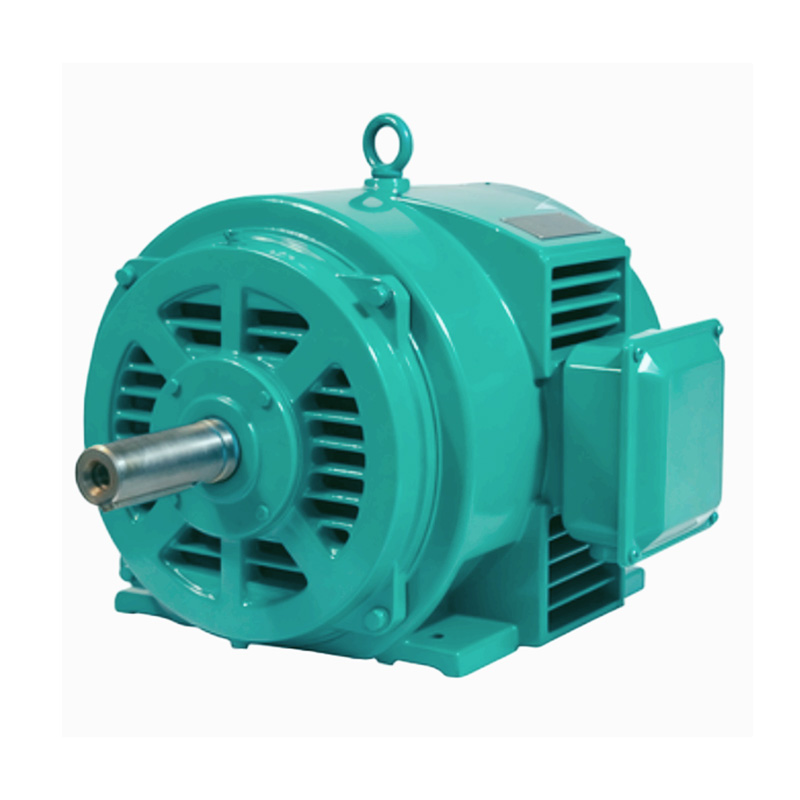
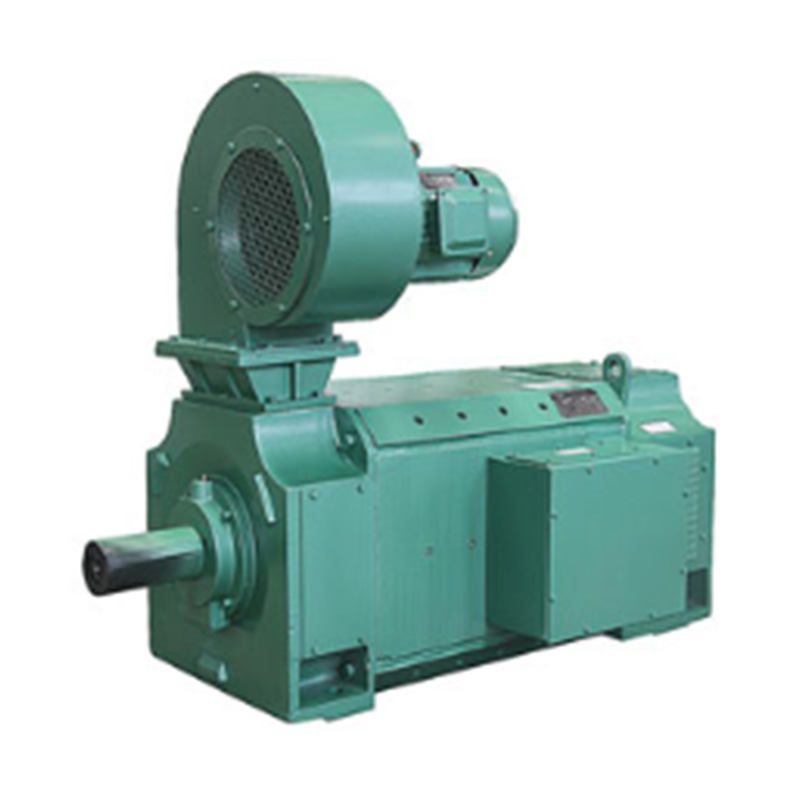
Shanghai Pinxing Explosion-proof Motor Co., Ltd. has developed extensive experience in slip ring motor manufacturing, with particular focus on applications requiring controlled starting or limited speed adjustment. Our production includes both standard designs and customized configurations for specific industrial processes. The company maintains specialized equipment for slip ring machining and brush gear assembly, with quality control procedures addressing the unique requirements of wound rotor construction.
Technical Development in Wound Rotor Technology
Our engineering team has implemented design improvements in slip ring motor technology including brush gear designs that minimize carbon dust generation, slip ring surface treatments for extended service life, and insulation systems optimized for the thermal cycling associated with resistance starting. Research initiatives focus on integration with modern control systems, including adaptation for use with static rotor resistance controllers that eliminate mechanical contactor systems for resistance switching.
Application Engineering Support
Shanghai Pinxing provides comprehensive application engineering for slip ring motor installations, including starting characteristic calculation, resistance bank specification, and control system interface design. Our technical support extends to commissioning assistance and maintenance procedure development for brush gear and slip ring maintenance. Documentation packages include detailed instructions for brush replacement intervals and slip ring maintenance based on operating conditions.
Popular Industries And Applications
Crusher and Grinding Mill Drives
Mineral processing operations utilize slip ring motors for crushers, grinding mills, and other high-inertia equipment where controlled acceleration prevents mechanical stress and reduces power system disturbance. The ability to develop high starting torque with limited current draw makes these motors particularly suitable for remote locations with limited power system capacity. Speed adjustment capability allows process optimization for varying material characteristics.
Hoist and Winder Applications
Mine hoists and material winders employ slip ring motors for controlled acceleration and deceleration, with the rotor resistance providing dynamic braking capability. The smooth torque control prevents cable slack or excessive tension during starting and stopping sequences. For personnel hoists, the precise control characteristics contribute to safety by ensuring comfortable acceleration profiles.
Conveyor System Drives
Long conveyor systems in mining, ports, and bulk material handling utilize slip ring motors to manage starting stresses on belts and mechanical components. The controlled acceleration prevents belt slippage and reduces mechanical wear on idlers and pulleys. For multiple motor conveyor drives, slip ring designs allow load sharing between motors through matched starting characteristics.
Pump Applications with Long Delivery Lines
Pumping systems with long pipelines utilize slip ring motors to control water hammer effects during starting and stopping. The gradual acceleration provided by resistance starting minimizes pressure surges that could damage pipeline components. For parallel pump operation, speed adjustment capability allows flow matching without throttling losses.
Compressor Drives
Reciprocating and screw compressors employ slip ring motors to limit starting current while developing sufficient torque to overcome compression loads. The reduced electrical stress during starting extends contactor and breaker life in frequently started applications. Speed adjustment capability allows capacity control through speed variation rather than inlet throttling.
Hardcore Parameters
| Technical Parameter | Standard Range | Special Capabilities |
| Power Range | 100kW to 10,000kW | Higher ratings available |
| Voltage Ratings | 380V to 13.8kV | Low and high voltage designs |
| Starting Torque | 200-250% FLT typical | Adjustable through resistance |
| Starting Current | 200-250% FLC typical | Lower than squirrel cage equivalents |
| Speed Control Range | Up to 50% reduction | Constant torque characteristic |
| Rotor Voltage | 100V to 2000V typical | Based on design optimization |
| Rotor Current | Matching stator current | Design specific calculation |
| Slip Ring Diameter | 100mm to 800mm | Based on current requirements |
| Brush Material | Electrographitic, metal-graphite | Based on current density |
| Insulation Class | Class F standard, Class H available | Rotor and stator insulation |
| Protection Degree | IP23 to IP55 | Brush compartment sealing |
| Cooling Methods | IC01, IC611, IC81W | Based on application requirements |
| Mounting Types | IM B3, IM B35, IM V1 | Standard industrial arrangements |
| Efficiency at Full Load | 94-97% typical | IE2, IE3 classifications available |
1-Minute Selection Guide
Brush Material Selection Guide
Brush material selection balances electrical, mechanical, and wear characteristics. Electrographitic brushes (grade EG) provide good general-purpose performance with moderate friction and wear rates. Metal-graphite brushes (grades containing copper or silver) offer lower contact drop for high-current applications but may increase slip ring wear. Carbon-graphite brushes withstand higher peripheral speeds but typically have higher contact resistance. Specialized grades include materials with added abrasives for maintaining slip ring surface condition or impregnated materials for low-friction operation.
Slip Ring Material Options
Slip ring materials include steel with hard chrome plating for general applications, providing good wear resistance and consistent surface properties. Phosphor bronze offers excellent electrical conductivity with good wear characteristics for lower peripheral speeds. Stainless steel provides corrosion resistance for harsh environments but may require compatible brush materials. For high-current applications, copper alloy rings maximize conductivity but require more frequent surface maintenance. Material selection considers both electrical requirements and environmental conditions.
Insulation System Specifications
Rotor insulation systems require materials with thermal endurance matching operating temperatures, mechanical strength to withstand centrifugal forces, and electrical integrity under starting voltage stresses. Class F (155°C) materials are standard, with Class H (180°C) available for higher temperature applications. Impregnation systems utilize vacuum pressure impregnation with polyester or epoxy resins to ensure complete penetration and void elimination. Slot liners and phase separators provide additional mechanical protection and electrical isolation.
Customized services
Application-Specific Design Engineering
Shanghai Pinxing provides engineering services for slip ring motor applications, including starting characteristic analysis, resistance bank specification, and control system interface design. Our technical team evaluates specific load requirements including inertia values, required acceleration times, and power system limitations to recommend optimal motor and control configurations. Engineering deliverables include starting torque-speed curves, resistance step calculations, and coordination studies with electrical protection systems.
Control System Integration Services
We offer integration services for slip ring motor control systems including traditional resistance starters with contactor switching, liquid resistance starters for smooth acceleration, and modern static rotor resistance controllers that provide stepless control without moving parts. Commissioning assistance includes setup and adjustment of control parameters to match specific load characteristics. Training programs cover operation, maintenance, and troubleshooting of complete motor-control systems.
Customization for Special Applications
Our manufacturing facilities support customization including special brush gear configurations for limited access installations, enhanced sealing for hazardous environments, and integration with customer-specific monitoring systems. Modifications include alternative slip ring materials for specialized operating conditions, custom terminal box arrangements, and adaptation for explosion-proof requirements. We collaborate with equipment manufacturers to develop integrated motor solutions for specific machinery applications.