
 English
 русский
 Français
 عربى
عربى
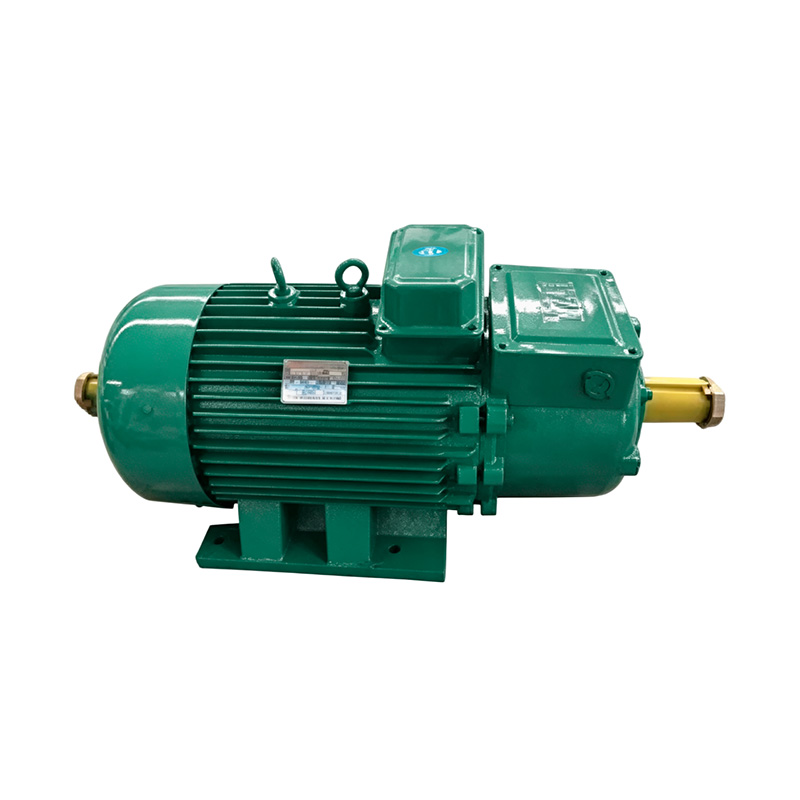
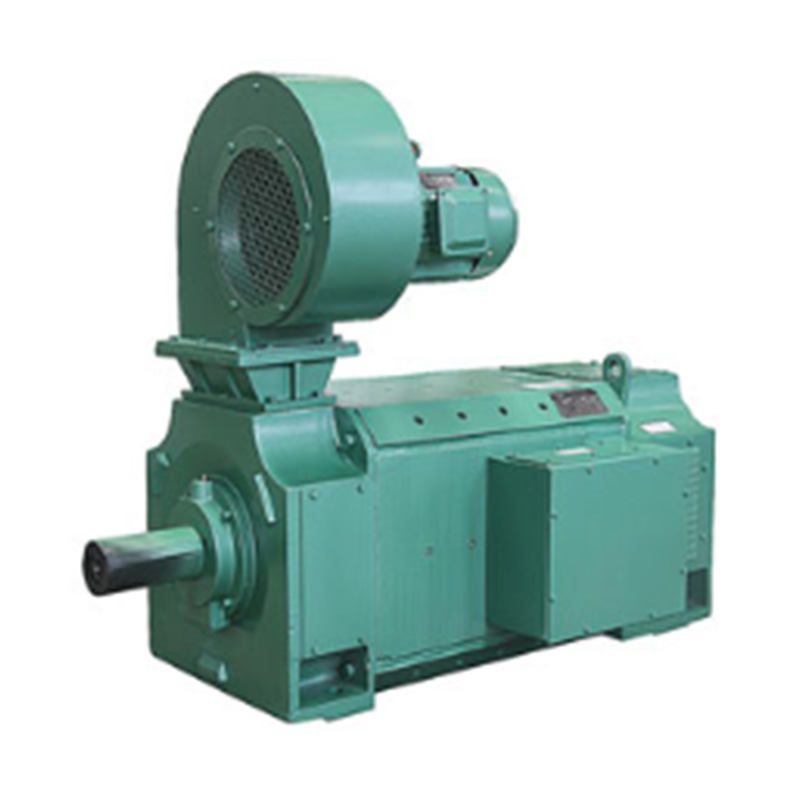
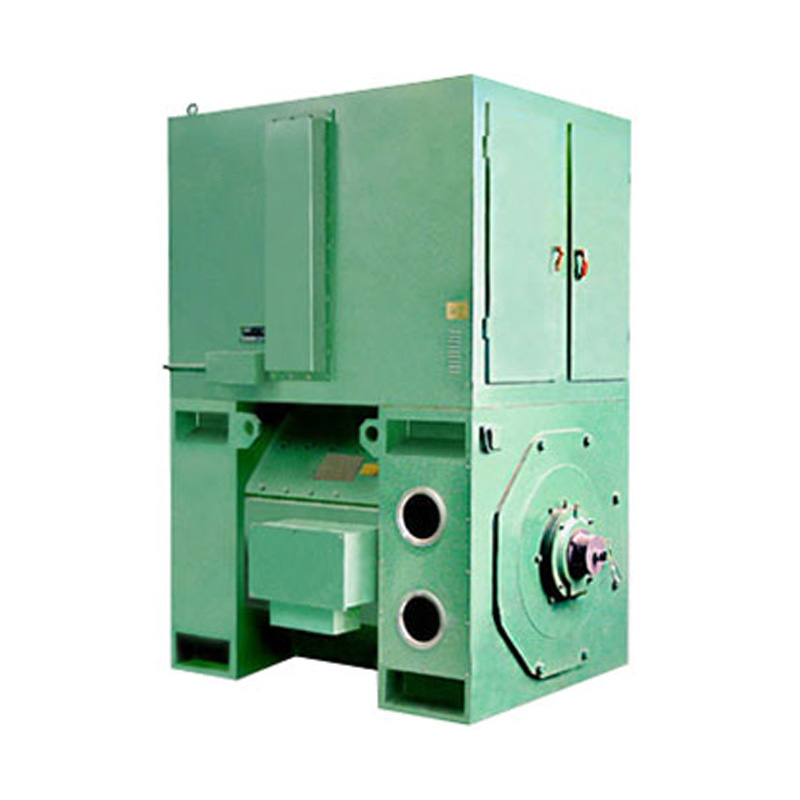
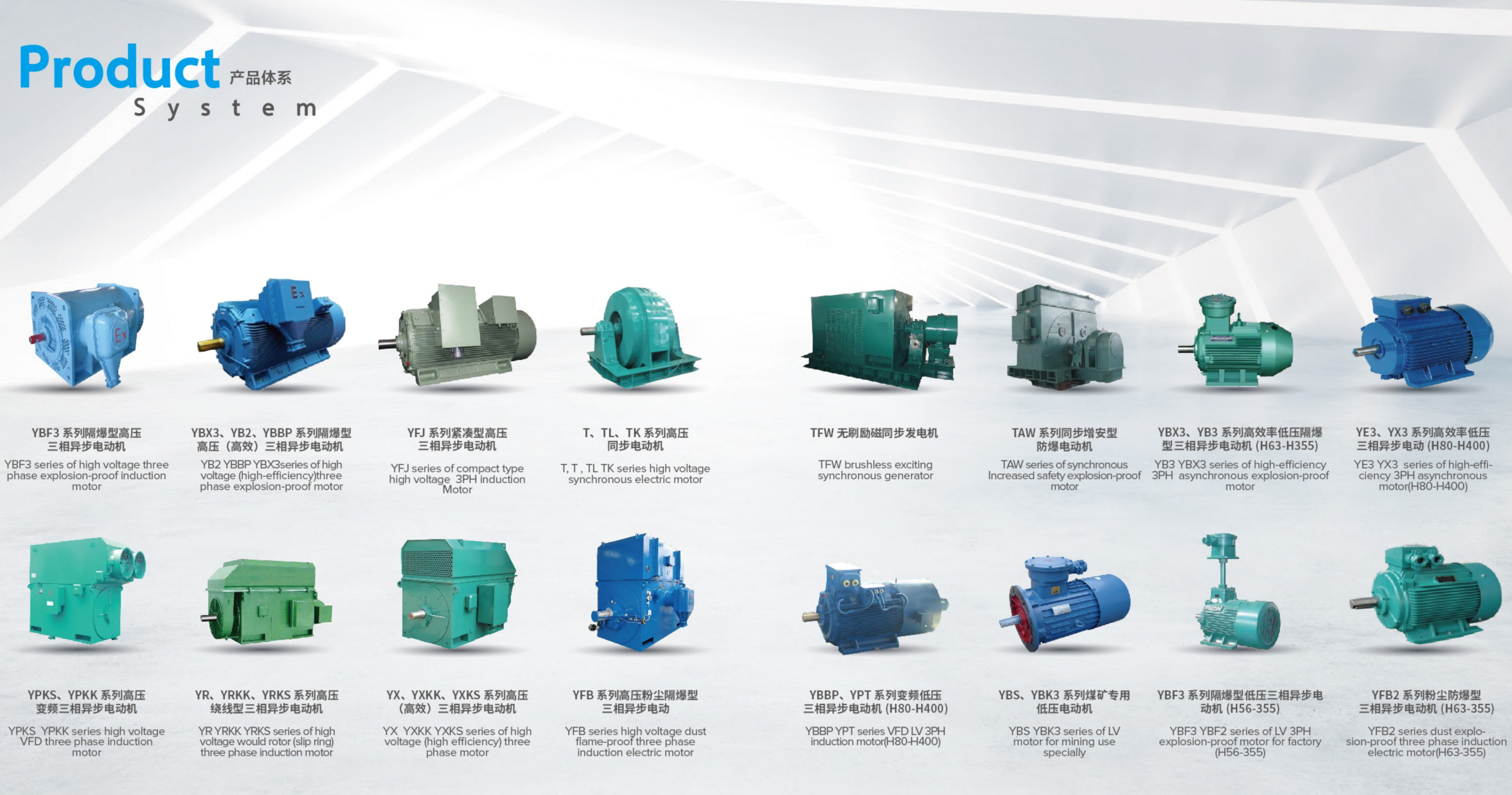
Why choose us?
Shanghai Pinxing's Petrochemical Industry Experience
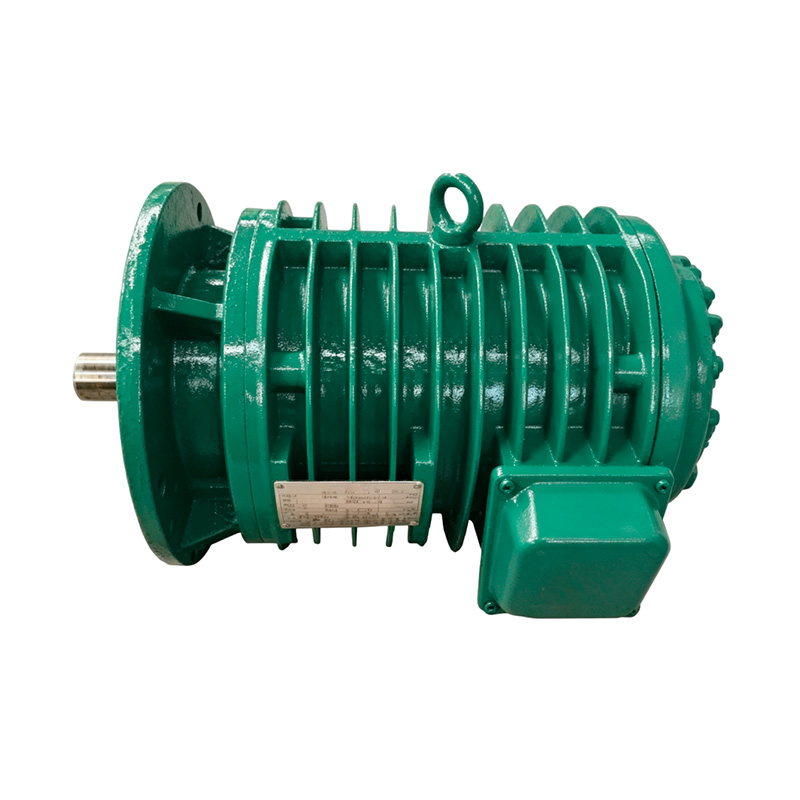
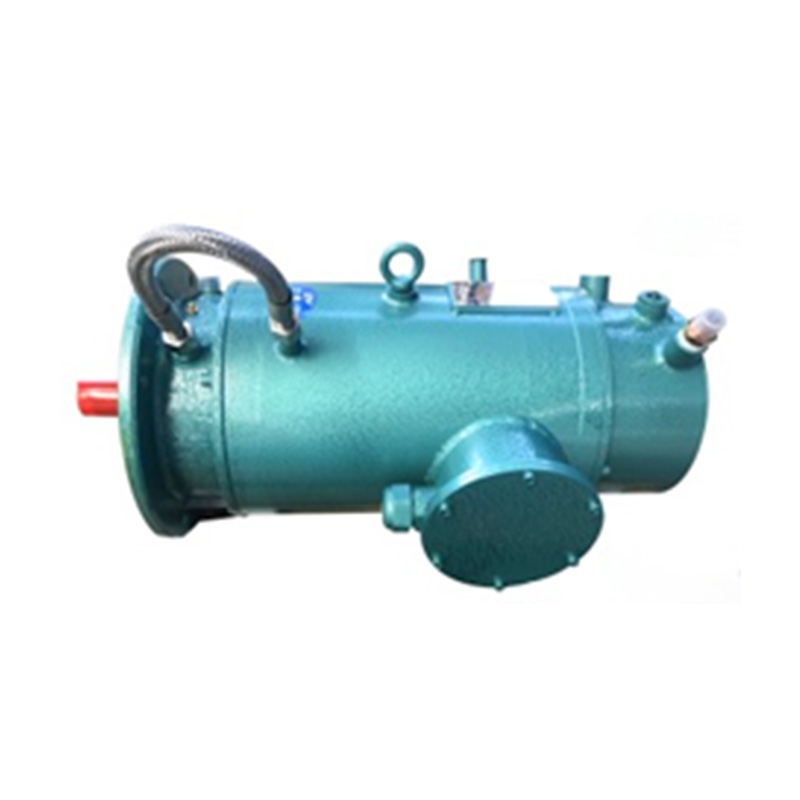
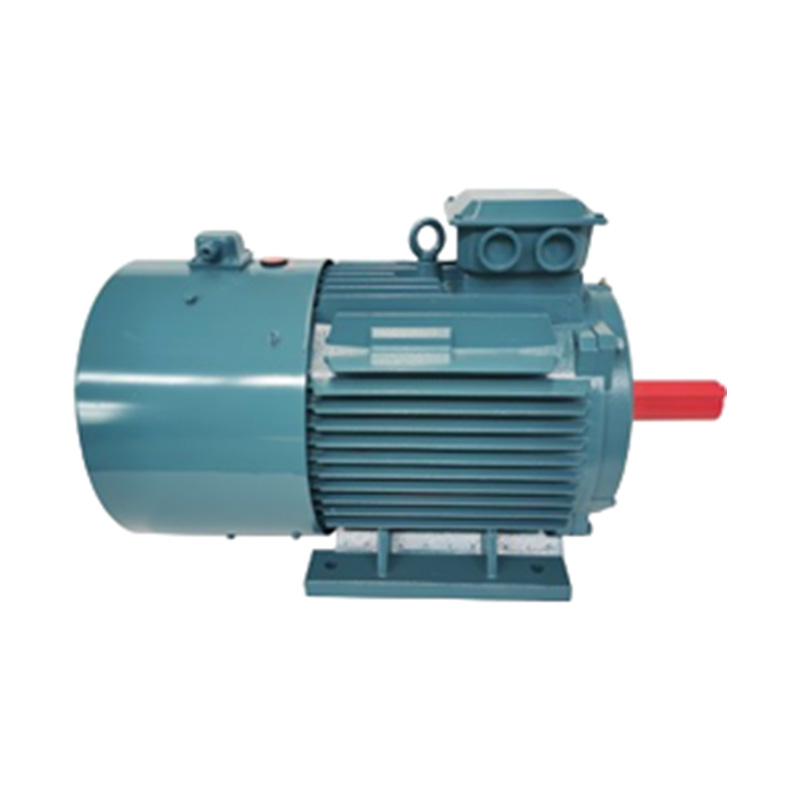
Shanghai Pinxing Explosion-proof Motor Co., Ltd. has developed specialized expertise in petrochemical motor applications through decades of collaboration with engineering contractors and operating companies. Our product development includes specific design enhancements for refinery and chemical plant conditions, validated through field installations in major petrochemical complexes. The company maintains certifications for hazardous area applications in petrochemical environments, with particular emphasis on corrosion resistance and reliability under continuous operation.
Technical Solutions for Petrochemical Challenges
Our engineering team has implemented design improvements addressing petrochemical-specific requirements including enhanced sealing systems for corrosive atmospheres, specialized coating systems for chemical resistance, and cooling arrangements for high ambient temperatures. Material selection protocols consider chemical compatibility with process materials and cleaning agents. Electrical designs accommodate the voltage fluctuations and harmonic content common in petrochemical power distribution systems. Documentation packages include materials compatibility data and installation guidelines specific to petrochemical environments.
Quality Assurance for Critical Applications
Shanghai Pinxing employs enhanced quality control procedures for petrochemical motors, including additional testing for explosion protection integrity, corrosion resistance verification, and performance validation under simulated process conditions. Critical components receive extended traceability documentation with material certifications and process records. Assembly procedures include cleanliness controls to prevent contamination that could compromise operation in sensitive processes. Final testing incorporates run-in periods to verify stable operation before shipment.
Popular Industries And Applications
Refinery Process Units
Crude distillation, catalytic cracking, hydroprocessing, and reforming units utilize motors for charge pumps, recycle compressors, air blowers, and agitators. These applications require explosion protection for hydrocarbon processing areas, with specific temperature classes matching processed materials. Continuous operation demands high reliability with extended mean time between failures. Variable speed requirements are common for process optimization and energy management in fractionation and separation processes.
Olefin and Polymer Production
Ethylene crackers, polyolefin plants, and polymer processing facilities employ motors for centrifugal compressors in refrigeration cycles, extruder drives for pelletizing, and mixer motors for catalyst preparation. These applications often involve hydrogen-rich atmospheres requiring IIC gas group certification. High starting torque requirements for extruder startup under pressure must be accommodated while maintaining explosion protection integrity. Temperature control is critical for process consistency, requiring motors with stable performance across operating ranges.
Aromatics and Chemical Intermediates
Benzene, toluene, xylene (BTX) units and chemical intermediate plants utilize motors for solvent pumps, distillation column feeds, and reactor agitators. Corrosion resistance is paramount due to aggressive chemical environments. Explosion protection must accommodate both process materials and cleaning solvents used during maintenance turnarounds. Motors often operate in classified areas with limited access, requiring extended service intervals and remote monitoring capabilities.
Utilities and Offsite Facilities
Cooling water systems, boiler feed pumps, firewater pumps, and flare compressors represent critical utility applications requiring high reliability. While often located outside classified areas, these motors must withstand general plant environments including occasional exposure to process materials during upsets. Continuous operation with minimal vibration ensures reliable service of support systems. Energy efficiency considerations balance with reliability requirements for continuously operating equipment.
Loading and Storage Operations
Product loading pumps, tank farm mixers, and vapor recovery compressors operate in areas with potential vapor releases during transfer operations. Zone 1 or Zone 2 classifications apply depending on containment and ventilation designs. Motors must accommodate intermittent duty cycles with frequent starts and stops. Outdoor installations require weather protection and corrosion resistance for coastal or industrial atmospheres.
Hardcore Parameters
| Application Category | Typical Specifications | Special Requirements |
| Centrifugal Compressors | 500-15000kW, 6kV/10kV/13.8kV | High starting torque, explosion protection |
| Process Pumps | 10-5000kW, 380V/660V/6kV/10kV | Corrosion resistance, continuous duty |
| Agitator/Mixer Drives | 5-1000kW, 380V/660V | Variable torque, explosion protection |
| Extruder Drives | 50-3000kW, 380V/660V/6kV | High starting torque, precise control |
| Blower/Fan Drives | 30-3000kW, 380V/660V/6kV | Continuous duty, explosion protection |
| Explosion Protection | Ex d IIC T4, Ex e IIC T4 | Zone 1 or Zone 2 classifications |
| Gas Groups | IIA, IIB, IIC available | Based on process materials |
| Temperature Classes | T1 to T6 available | Based on autoignition temperatures |
| Corrosion Protection | C4/C5-M corrosion categories | ISO 12944 standards |
| Insulation Systems | Class H (180°C) standard | High temperature endurance |
| Protection Degree | IP55 standard, IP56/IP65 available | Dust and water ingress protection |
| Cooling Methods | IC611, IC81W, IC416 | Process area considerations |
| Mounting Types | IM B3, IM B35, IM V1 | Equipment integration requirements |
| Efficiency Classes | IE3, IE4 available | Energy optimization requirements |
1-Minute Selection Guide
Material Compatibility Selection
Material selection for petrochemical applications requires compatibility analysis with specific process chemicals. Stainless steel grades (304, 316, duplex) provide corrosion resistance for various chemical exposures. Cast iron with appropriate coating systems offers economical protection for less aggressive environments. Aluminum alloys require careful selection for compatibility with process pH ranges. Elastomer seals utilize materials resistant to aromatic hydrocarbons, including fluorocarbon (FKM) or perfluoroelastomer (FFKM) compounds for severe service. Electrical insulation materials must resist chemical penetration while maintaining dielectric properties.
Coating System Specification
Coating system specifications follow project requirements with typical three-coat systems: epoxy zinc-rich primer (75-100μm), epoxy intermediate (150-200μm), and polyurethane topcoat (50-75μm). For severe chemical exposure, additional layers or alternative chemistries include fluoropolymer or ceramic-modified coatings. Surface preparation typically requires Sa 2½ blast cleaning per ISO 8501-1. Application procedures specify ambient conditions, mixing ratios, curing times, and inspection requirements. Documentation includes batch numbers, application dates, and inspection records for traceability.
Component Material Guidelines
Bearing materials include stainless steel for corrosive environments or standard steel with appropriate sealing systems. Shaft materials utilize corrosion-resistant alloys or standard steels with protective coatings in seal areas. Fasteners employ duplex stainless steel or coated carbon steel with appropriate galvanic compatibility. Nameplates utilize engraved stainless steel or coated aluminum with chemical-resistant markings. Terminal blocks utilize thermoset plastics with tracking resistance appropriate for the environment.
Customized services
Process-Specific Engineering Services
Shanghai Pinxing provides engineering services for petrochemical applications including process condition analysis, material compatibility evaluation, and custom design for specific operating requirements. Our technical team reviews process data sheets, P&IDs, and area classification drawings to recommend appropriate motor specifications. Engineering deliverables include motor data sheets with all required parameters, installation details considering process piping and equipment arrangements, and commissioning procedures addressing process startup sequences. For critical applications, we provide failure mode and effects analysis (FMEA) to identify potential reliability issues.
Project Documentation Support
We offer comprehensive documentation support for petrochemical projects including preparation of data sheets conforming to client templates, generation of hazardous area documentation packages, and provision of material certification dossiers. Documentation management includes revision control, transmittal procedures, and compatibility with project document management systems. For international projects, documentation is prepared in required languages with appropriate certification markings. As-built documentation captures any deviations from original specifications for future reference.
Commissioning and Startup Assistance
Shanghai Pinxing provides commissioning support for petrochemical motor installations including pre-startup inspection, alignment verification, and performance testing. Our field service personnel assist with initial startup procedures, parameter setting for protection devices, and integration with control systems. Training programs cover operation, maintenance, and troubleshooting specific to petrochemical environments. Emergency support services provide rapid response for critical motor issues during plant commissioning or operation.