
 English
 русский
 Français
 عربى
عربى
Why choose us?
Shanghai Pinxing's High-Torque Motor Development
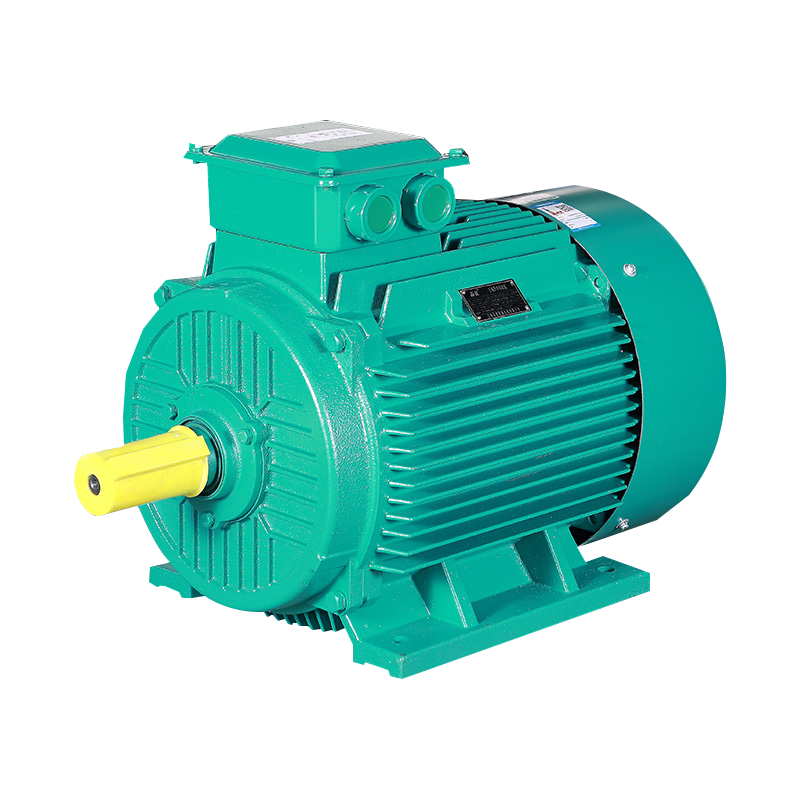
Shanghai Pinxing Explosion-proof Motor Co., Ltd. has developed specialized expertise in high-torque motor design through extensive collaboration with equipment manufacturers in mining, material handling, and heavy industry sectors. Our engineering department maintains proprietary design methodologies for torque optimization, validated through field testing in demanding applications. The company's testing facilities include dynamometer systems capable of measuring torque characteristics across the complete speed range, with data acquisition for detailed performance analysis. Manufacturing processes incorporate quality control checkpoints specific to high-torque designs, including verification of rotor bar integrity, bearing fit tolerances, and shaft strength characteristics.
Technical Innovation in Torque Production
Our engineering team has implemented design innovations for enhanced torque capability including optimized rotor slot geometries that maximize starting torque while maintaining efficiency at operating points, advanced cooling systems that manage the additional heat from high current densities, and mechanical reinforcement of critical components to withstand torque-induced stresses. Research initiatives focus on materials science for improved magnetic properties in core materials and enhanced strength in structural components. Testing protocols include thermal evaluation under locked rotor conditions to verify safe operating times, vibration analysis during torque transients, and endurance testing under cyclic loading to validate long-term reliability.
Application Engineering Support
Shanghai Pinxing provides comprehensive application engineering for high-torque motor installations, including load analysis to determine torque requirements throughout operating cycles, starting characteristic calculation to ensure proper acceleration, and system integration support for control and protection equipment. Our technical team evaluates driven equipment characteristics including inertia, friction profiles, and duty cycles to recommend appropriate motor specifications. Commissioning assistance includes torque verification testing and adjustment of control parameters to match specific load requirements. Documentation packages include detailed torque-speed curves, thermal limitations under various operating conditions, and maintenance recommendations based on torque loading patterns.
Popular Industries And Applications
Mining and Mineral Processing
Crusher drives, grinding mills, and conveyor systems in mining operations require high starting torque to overcome inertia and breakaway friction. Crusher applications demand torque capability to handle variable ore hardness and potential jamming conditions. Grinding mill drives require smooth torque delivery across the operating range with capability for loaded starts after maintenance. Conveyor systems need high breakaway torque to overcome static friction with controlled acceleration to prevent belt slippage. These applications often operate in harsh environments with dust and vibration, requiring robust mechanical construction in addition to torque performance.
Material Handling and Logistics
Crane and hoist motors, warehouse conveyor drives, and port handling equipment require precise torque control throughout operating cycles. Hoist applications demand consistent torque for lifting with regenerative capability for controlled lowering. Container handling equipment requires high torque at low speeds for precise positioning. Conveyor systems in distribution centers need torque capability for rapid acceleration and deceleration during sorting operations. These applications often include frequent start-stop cycles and reversing operation, requiring torque performance with minimal ripple and smooth transitions.
Heavy Manufacturing
Press drives, rolling mill equipment, and heavy machinery require high torque for forming operations. Press applications demand peak torque during forming cycles with rapid recovery between strokes. Rolling mills require consistent torque across speed variations with fast response to load changes. Injection molding machines need precise torque control for material plasticization and injection phases. These applications often involve cyclic loading with rapid torque variations, requiring motors with high dynamic response and thermal capacity for heat dissipation during peak loads.
Marine and Offshore
Winch and windlass systems, propulsion drives for tugs and workboats, and offshore crane equipment require high torque for pulling and positioning operations. Winch applications demand controlled torque for line tensioning with overload capability for emergency conditions. Tug propulsion requires high torque at low speeds for maneuvering and bollard pull. Offshore cranes need precise torque control for load handling in dynamic sea conditions. These applications operate in corrosive environments with limited maintenance opportunities, requiring reliable torque performance with extended service intervals.
Renewable Energy
Wind turbine yaw and pitch systems, solar tracking drives, and tidal turbine generators require torque capability for positioning against environmental loads. Yaw drives must overcome wind loads to maintain turbine orientation. Pitch systems require torque for blade angle adjustment under aerodynamic forces. Solar trackers need torque to rotate panels against wind loads. These applications often operate in remote locations with extreme weather conditions, requiring reliable torque performance with minimal maintenance requirements.
Hardcore Parameters
| Torque Parameter | High-Torque Design Range | Standard Motor Comparison |
| Starting Torque | 200-350% of full-load torque | 150-200% typical |
| Pull-up Torque | 180-300% of full-load torque | 140-180% typical |
| Breakdown Torque | 250-400% of full-load torque | 200-250% typical |
| Full-Load Torque | Optimized for frame size | Standard ratings |
| Torque Ripple | <5% typical | 5-10% typical |
| Power Range | 5kW to 5000kW | Similar power ranges |
| Frame Sizes | H80 to H500mm | Standard IEC frames |
| Voltage Ratings | 380V to 13.8kV | Standard voltages |
| Speed Range | Constant torque to base speed | Standard speed ranges |
| Efficiency at Rated Torque | IE2, IE3, IE4 available | Standard efficiency classes |
| Insulation Class | Class F or Class H | Class F typical |
| Service Factor | 1.15 standard, 1.25 available | 1.0 typical |
| Duty Cycle | S1 continuous, S2-S6 available | S1 continuous typical |
| Ambient Temperature | Up to 60°C available | 40°C typical |
1-Minute Selection Guide
Magnetic Material Selection
Magnetic material selection for high-torque motors prioritizes high saturation flux density to maximize torque capability within given dimensions. Electrical steel grades with saturation flux density above 1.8T at 50Hz are typically selected. Core loss characteristics are balanced against saturation requirements, with premium grades offering improved performance. Lamination thickness is selected based on operating frequency, with thinner laminations preferred for higher frequencies to reduce eddy current losses. Surface insulation coatings must withstand the manufacturing processes while maintaining interlamination resistance. Material certification includes specific measurements of magnetic properties at multiple flux densities to verify consistency and suitability for high-torque designs.
Conductor and Insulation Materials
Conductor materials for high-torque applications utilize high-purity copper with controlled oxygen content for optimal conductivity and formability. Cross-sectional areas are increased relative to standard designs to handle higher currents, with careful attention to slot fill factors. Insulation systems utilize Class F (155°C) or Class H (180°C) materials with enhanced thermal conductivity to improve heat transfer from conductors. Magnet wire insulation includes heavy or triple coatings with controlled thickness. Slot liners and phase insulation materials provide mechanical protection and electrical isolation under thermal expansion stresses. Impregnation systems ensure complete void elimination for optimal heat transfer and mechanical stability.
Structural Material Specifications
Structural materials for high-torque motors require enhanced mechanical properties. Shaft materials utilize alloy steels with appropriate heat treatment for strength and torsional stiffness. Frame materials employ high-grade cast iron or fabricated steel with controlled mechanical properties. Bearing materials include premium steel grades with precision manufacturing for extended life under high loads. Fasteners utilize higher strength grades with controlled tightening procedures. Keyway materials match shaft hardness requirements for even wear distribution. Rotor bar and end ring materials provide good conductivity with mechanical strength for torque transmission.
Customized services
Application-Specific Torque Design
Shanghai Pinxing provides custom engineering services for high-torque motor applications including detailed load analysis, torque requirement specification, and performance optimization. Our technical team evaluates specific application requirements including starting conditions, duty cycles, and load characteristics to recommend appropriate motor specifications. Engineering deliverables include detailed torque-speed curves, thermal analysis reports, and mechanical design calculations. For complex applications, we provide system simulation to verify performance under actual operating conditions. Custom designs can be developed for unique torque requirements not met by standard offerings.
Testing and Validation Services
We offer comprehensive testing services for high-torque motors including dynamometer testing to verify torque characteristics, thermal testing under various load conditions, and endurance testing under simulated operating cycles. Testing facilities include equipment capable of measuring torque across the complete speed range with high accuracy. Validation services include performance verification against application specifications and generation of detailed test reports. For prototype development, we provide iterative testing to optimize design parameters. Commissioning assistance includes on-site torque verification and adjustment of control parameters to match specific load requirements.
Lifecycle Performance Monitoring
Shanghai Pinxing offers lifecycle performance monitoring services for high-torque motor installations including baseline performance measurement, periodic testing to track performance changes, and predictive maintenance recommendations based on operating data. Monitoring services help identify developing issues before they affect operation and provide data for optimization opportunities. Performance trending analysis identifies changes in torque characteristics, efficiency, or vibration that may indicate maintenance needs. Documentation includes performance history records supporting maintenance decisions and equipment lifecycle management.