
 English
 русский
 Français
 عربى
عربى
Why choose us?
Shanghai Pinxing's IE3 Technology Implementation
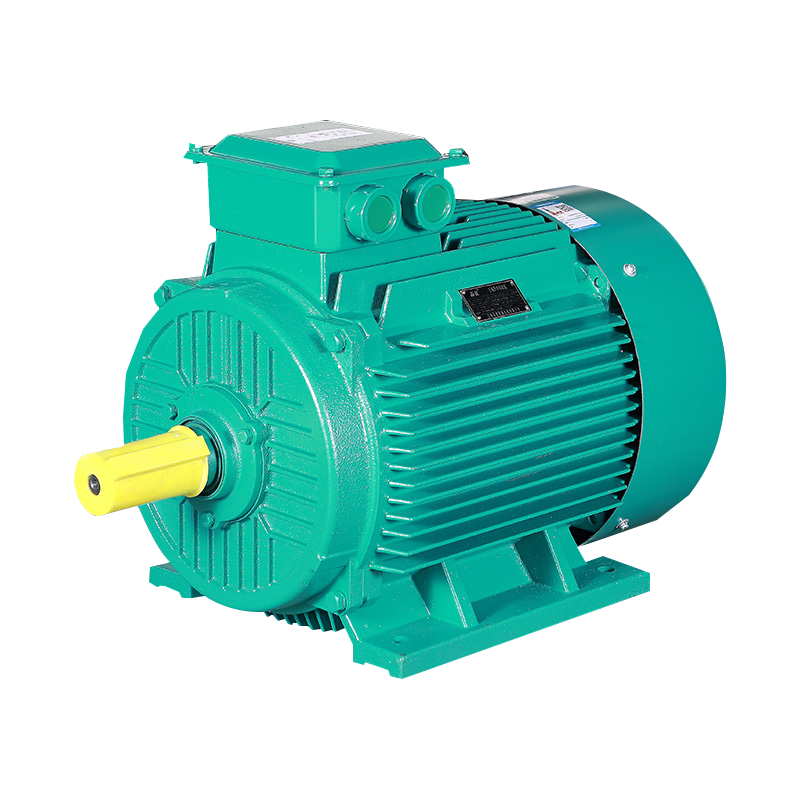
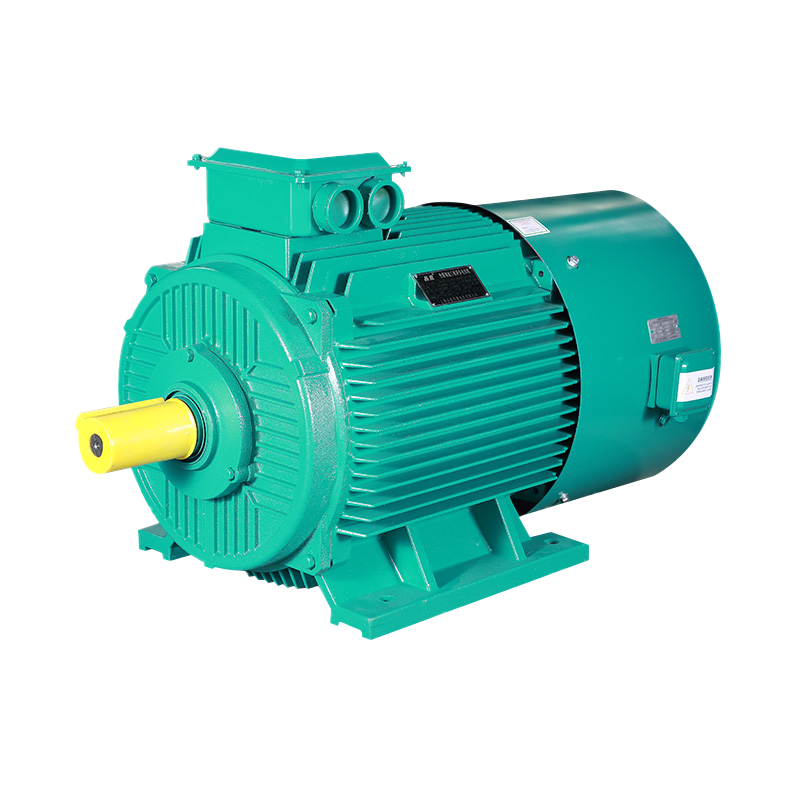
Shanghai Pinxing Explosion-proof Motor Co., Ltd. has implemented comprehensive IE3 efficiency technology across our motor product lines, with particular focus on maintaining premium efficiency while meeting the demanding requirements of industrial applications. Our engineering department has developed proprietary design methodologies for achieving IE3 efficiency levels without compromising other critical performance characteristics such as starting torque, overload capacity, or reliability. The company maintains testing facilities capable of precision efficiency measurement per IEC 60034-2-1 standards, with calibration traceable to national measurement institutes. Our manufacturing processes incorporate quality control checkpoints specifically targeting parameters affecting efficiency, including dimensional tolerances for magnetic circuits, conductivity verification for winding materials, and precision balancing to minimize mechanical losses. Documentation systems maintain complete records of efficiency testing for regulatory compliance and customer verification.
Efficiency Optimization Across Product Ranges
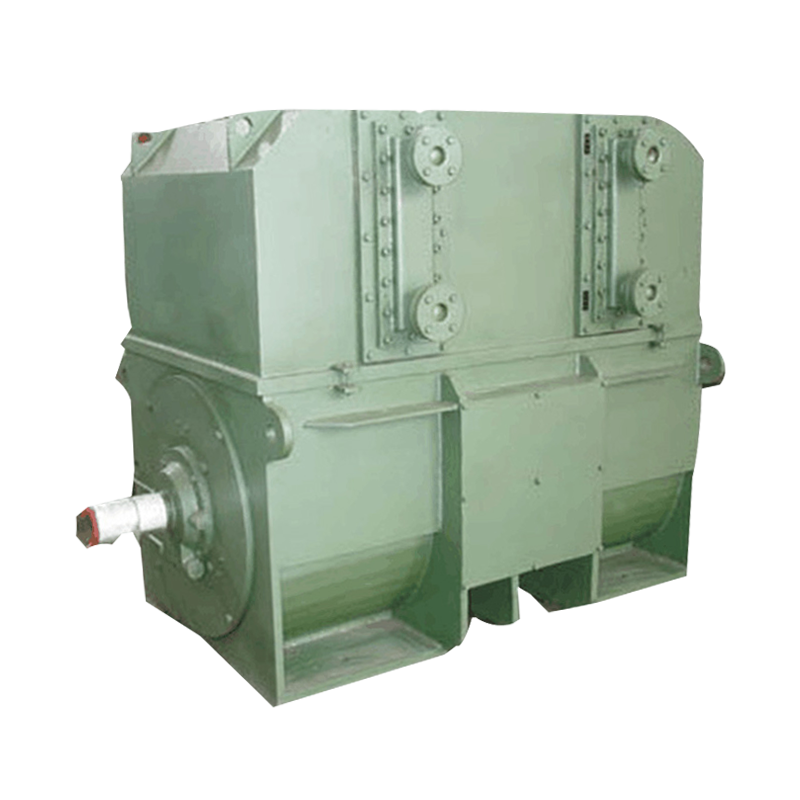
Our approach to IE3 implementation involves systematic optimization across all motor product ranges, recognizing that different applications present unique challenges for efficiency maintenance. For explosion-proof motors, efficiency improvements must be achieved within the constraints of explosion protection requirements including temperature class limitations and enclosure designs. For high-voltage motors, insulation systems must accommodate efficiency-driven design changes while maintaining dielectric integrity. For special application motors such as those for pumping or ventilation, efficiency optimization considers specific operating points rather than just full load conditions. This comprehensive approach ensures that IE3 efficiency is achieved without compromising application-specific performance requirements. Testing protocols include efficiency measurement across multiple load points to characterize performance under actual operating conditions rather than just at full load. Documentation packages include detailed efficiency curves and loss segregation analysis supporting customer energy savings calculations.
Regulatory Compliance Management
Shanghai Pinxing maintains comprehensive regulatory compliance for IE3 efficiency requirements across all applicable markets. Our quality management system includes specific procedures for efficiency compliance verification, with regular audits to ensure continued adherence to standards. Certification management includes coordination with accredited testing laboratories for type testing, maintenance of test reports and declarations of conformity, and appropriate product marking according to regional requirements. For international markets with varying efficiency regulations, we maintain separate product documentation and certification packages. Technical support services assist customers with regulatory compliance documentation for their specific applications, including preparation of energy efficiency declarations for equipment incorporating our motors. This systematic approach to regulatory compliance ensures market access while providing customers with confidence in efficiency claims.
Popular Industries And Applications
Continuous Process Manufacturing
Chemical plants, refineries, and continuous production facilities utilize IE3 motors for equipment operating 24/7, where energy consumption represents significant operational costs. Pump drives, compressor systems, conveyor motors, and mixing equipment in these facilities benefit from premium efficiency through reduced electricity consumption. The economic case for IE3 motors is strongest in these applications, with typical payback periods under two years for continuously operating equipment. System design often incorporates variable speed drives for process control, with IE3 motors providing high base efficiency that complements drive-based energy savings. Maintenance considerations include monitoring efficiency degradation over time as an indicator of developing issues requiring attention. Energy management systems track motor performance as part of overall facility energy optimization strategies.
Commercial HVAC Systems
Heating, ventilation, and air conditioning systems in commercial buildings utilize IE3 motors for fans, pumps, and compressor drives, often operating extended hours with variable loads. These applications benefit from premium efficiency through reduced building operating costs, with efficiency improvements contributing to green building certifications such as LEED or BREEAM. Variable speed operation combined with IE3 efficiency provides optimal energy performance across changing load conditions. Acoustic considerations are important in commercial settings, with efficient designs often incorporating features that reduce noise levels. Maintenance programs monitor efficiency as part of preventive maintenance schedules, with efficiency testing during regular service intervals. Retrofit opportunities exist for replacing older, less efficient motors during system upgrades or equipment replacement cycles.
Water and Wastewater Treatment
Municipal water supply and wastewater treatment facilities operate large pumping and aeration systems continuously, making energy efficiency a critical operational consideration. IE3 motors reduce energy consumption for pumps, blowers, and mixing equipment, directly impacting facility operating costs. In pumping applications, efficiency improvements combine with proper pump selection and system design to optimize overall system efficiency. Aeration systems, typically the largest energy consumers in wastewater treatment, benefit significantly from premium efficiency motors. Many municipalities have energy reduction targets that align with IE3 motor adoption. Funding mechanisms including energy performance contracts or utility rebate programs often support efficiency upgrades. Monitoring systems track motor performance as part of facility energy management, with efficiency trends indicating maintenance needs or performance degradation.
Material Handling and Logistics
Warehouse automation, conveyor systems, and material handling equipment utilize IE3 motors for drives operating extended hours in distribution and logistics facilities. These applications benefit from premium efficiency through reduced energy costs for continuously operating equipment. Variable speed operation for conveyor control combines with IE3 efficiency for optimal energy performance. In automated storage and retrieval systems, efficient motors reduce overall facility energy consumption. Maintenance programs for material handling equipment often include efficiency verification as part of preventive maintenance. Energy management in large distribution centers tracks motor performance as part of overall facility energy optimization. Retrofit programs target motors with high operating hours for replacement with premium efficiency models during equipment upgrades.
General Industrial Applications
Various industrial applications including machine tools, processing equipment, and general machinery utilize IE3 motors where energy efficiency contributes to overall operational economics. While not operating continuously in all cases, the cumulative operating hours across multiple motors in industrial facilities make efficiency improvements economically meaningful. System design considers both motor efficiency and driven equipment efficiency for optimal performance. Power factor improvements associated with premium efficiency designs may provide additional benefits through reduced reactive power charges. Maintenance practices include efficiency monitoring as an indicator of motor health, with degradation suggesting issues requiring attention. Facility energy audits often identify motor efficiency improvement opportunities as part of comprehensive energy management programs.
Hardcore Parameters
| Power Rating | 2-Pole IE3 Efficiency (%) | 4-Pole IE3 Efficiency (%) | 6-Pole IE3 Efficiency (%) | |||
| 0.75 kW | 80.7 | 82.5 | 78.9 | |||
| 1.1 kW | 82.7 | 84.1 | 81.0 | |||
| 1.5 kW | 84.2 | 85.3 | 82.5 | |||
| 2.2 kW | 85.9 | 86.7 | 84.3 | |||
| 3 kW | 87.1 | 87.7 | 85.6 | |||
| 4 kW | 88.1 | 88.6 | 86.8 | |||
| 5.5 kW | 89.2 | 89.6 | 88.0 | |||
| 7.5 kW | 90.1 | 90.4 | 89.1 | |||
| 11 kW | 91.2 | 91.4 | 90.3 | |||
| 15 kW | 92.1 | 92.1 | 91.2 | |||
| 18.5 kW | 92.6 | 92.6 | 91.7 | |||
| 22 kW | 93.0 | 93.0 | 92.2 | |||
| 30 kW | 93.6 | 93.6 | 92.9 | |||
| 37 kW | 94.1 | 94.1 | 93.3 | |||
| 45 kW | 94.6 | 94.6 | 93.7 | |||
| 55 kW | 95.0 | 95.0 | 94.1 | |||
| 75 kW | 95.4 | 95.4 | 94.6 | |||
| 90 kW | 95.8 | 95.8 | 94.9 | |||
| 110 kW | 96.0 | 96.0 | 95.1 | |||
| 132 kW | 96.2 | 96.2 | 95.4 | |||
| 160 kW | 96.4 | 96.4 | 95.6 | |||
| 200 kW | 96.5 | 96.5 | 95.8Power Rating | 2-Pole IE3 Efficiency (%) | 4-Pole IE3 Efficiency (%) | 6-Pole IE3 Efficiency (%) |
| 0.75 kW | 80.7 | 82.5 | 78.9 | |||
| 1.1 kW | 82.7 | 84.1 | 81.0 | |||
| 1.5 kW | 84.2 | 85.3 | 82.5 | |||
| 2.2 kW | 85.9 | 86.7 | 84.3 | |||
| 3 kW | 87.1 | 87.7 | 85.6 | |||
| 4 kW | 88.1 | 88.6 | 86.8 | |||
| 5.5 kW | 89.2 | 89.6 | 88.0 | |||
| 7.5 kW | 90.1 | 90.4 | 89.1 | |||
| 11 kW | 91.2 | 91.4 | 90.3 | |||
| 15 kW | 92.1 | 92.1 | 91.2 | |||
| 18.5 kW | 92.6 | 92.6 | 91.7 | |||
| 22 kW | 93.0 | 93.0 | 92.2 | |||
| 30 kW | 93.6 | 93.6 | 92.9 | |||
| 37 kW | 94.1 | 94.1 | 93.3 | |||
| 45 kW | 94.6 | 94.6 | 93.7 | |||
| 55 kW | 95.0 | 95.0 | 94.1 | |||
| 75 kW | 95.4 | 95.4 | 94.6 | |||
| 90 kW | 95.8 | 95.8 | 94.9 | |||
| 110 kW | 96.0 | 96.0 | 95.1 | |||
| 132 kW | 96.2 | 96.2 | 95.4 | |||
| 160 kW | 96.4 | 96.4 | 95.6 | |||
| 200 kW | 96.5 | 96.5 | 95.8 | |||
| 250 kW | 96.7 | 96.7 | 96.0 | |||
| 315 kW | 96.8 | 96.8 | 96.2 |
1-Minute Selection Guide
Core Material Selection Guidelines
Electrical steel selection for IE3 motors requires materials with specific loss characteristics typically below 2.5 W/kg at 1.5T/50Hz test conditions. Premium grades such as M250-35A or better provide optimal performance for efficiency requirements. Lamination thickness typically ranges from 0.35mm to 0.65mm, selected based on operating frequency with thinner laminations preferred for higher frequency applications. Surface insulation coatings must withstand winding and impregnation processes while maintaining high interlamination resistance to control circulating currents. Core stacking utilizes precision equipment with controlled pressure to achieve optimal magnetic properties while minimizing additional losses from stacking stress. Material certification should include specific loss measurements at multiple flux densities to verify consistency across production batches. Alternative materials may be considered for specific applications requiring particularly low losses, though cost-benefit analysis should consider the incremental improvement relative to additional expense.
Conductor Material Specifications
Conductor materials for IE3 motors utilize high-purity copper (minimum 99.9% Cu) with controlled oxygen content for optimal conductivity and formability. Round wire diameters follow strict tolerance classes (typically Grade 1 or 2 per IEC 60317) to ensure consistent cross-sectional area and resistance. For larger motors, rectangular conductors provide improved slot fill factors with careful attention to skin effect considerations at operating frequencies. Insulation systems utilize Class F (155°C) or Class H (180°C) materials with thermal endurance verified per IEC 60085. Magnet wire insulation includes heavy or triple coatings with controlled thickness to maximize conductor area while maintaining dielectric strength. Conductor stranding for larger sizes considers proximity effect losses at operating frequencies. Material certifications include conductivity verification and dimensional consistency documentation.
Bearing and Lubrication Selection
Bearing selection for IE3 applications prioritizes low friction characteristics while maintaining required load capacity. Deep groove ball bearings with C3 clearance accommodate thermal expansion while maintaining proper preload. Low-friction seal designs reduce drag torque without compromising contamination exclusion. Grease selection considers base oil viscosity, thickener type, and additive packages optimized for electric motor applications with emphasis on mechanical loss reduction. Synthetic greases with polyurea or lithium complex thickeners provide extended relubrication intervals and consistent performance across temperature ranges. Bearing preload is carefully controlled during assembly to minimize friction while maintaining proper running clearance. Alternative bearing arrangements may be considered for specific applications requiring particularly low mechanical losses, though cost and complexity factors should be evaluated.
Customized services
Efficiency Optimization Engineering
Shanghai Pinxing provides engineering services for IE3 motor applications including efficiency analysis, performance optimization, and system integration support. Our technical team evaluates specific application requirements including duty cycles, load profiles, and operating conditions to recommend optimal motor specifications. Engineering deliverables include detailed efficiency calculations comparing alternative motor options, loss analysis identifying optimization opportunities, and performance predictions for specific operating scenarios. For system applications, we provide complete efficiency analysis including motor, driven equipment, and control system interactions. Custom design services address unique efficiency requirements not met by standard offerings, with optimization for specific operating points or unusual conditions. Documentation includes efficiency test reports, performance curves, and energy savings calculations supporting investment decisions.
Regulatory Compliance Support
We offer comprehensive regulatory compliance support for IE3 efficiency requirements including documentation preparation, testing coordination, and certification management. Services include preparation of technical documentation packages for regulatory submissions, coordination with accredited testing laboratories for efficiency verification, and maintenance of compliance records. For international markets with varying requirements, we manage multiple certification processes and maintain appropriate documentation. Technical support assists customers with their own regulatory compliance needs, including preparation of energy efficiency declarations for equipment incorporating our motors. Training programs cover efficiency regulations, documentation requirements, and compliance strategies. These services ensure market access while minimizing compliance-related delays or issues.
Lifecycle Cost Analysis Services
Shanghai Pinxing provides detailed lifecycle cost analysis services comparing efficiency options over expected service periods. Analysis includes initial investment costs, energy consumption projections based on specific operating profiles, maintenance cost estimates considering potential benefits from improved efficiency, and potential residual values. Scenario analysis evaluates sensitivity to electricity price changes, operating hour variations, and maintenance interval assumptions. Results support investment decisions by quantifying total cost of ownership differences between efficiency options. Implementation planning includes phasing strategies for efficiency upgrades to minimize operational disruption while maximizing energy savings. Documentation includes comprehensive reports with assumptions, calculations, and recommendations for optimal efficiency investments.