
 English
 русский
 Français
 عربى
عربى
Why choose us?
Shanghai Pinxing's Expertise in Dust Hazard Protection
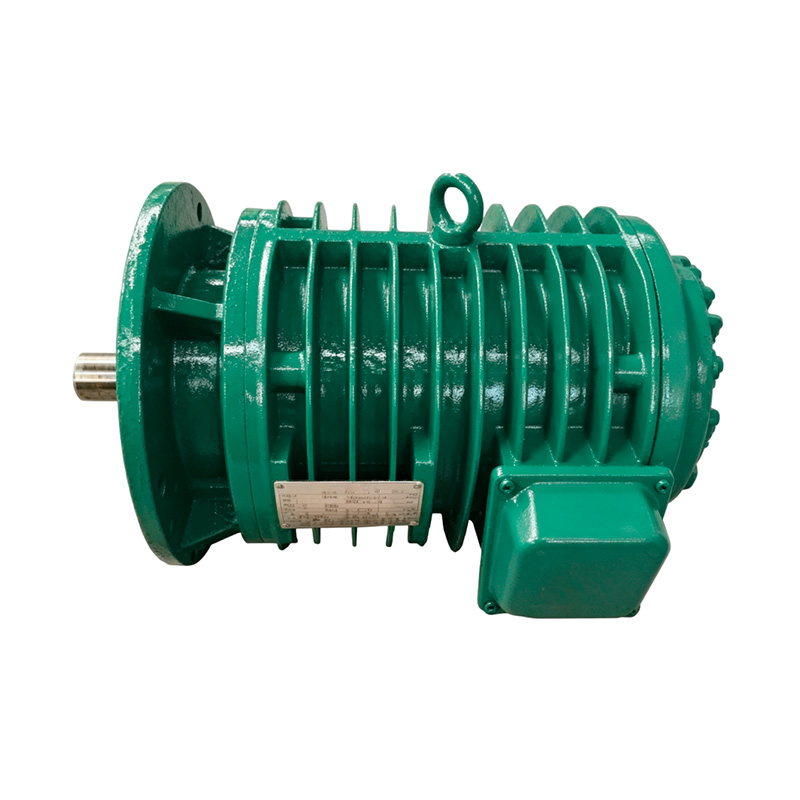
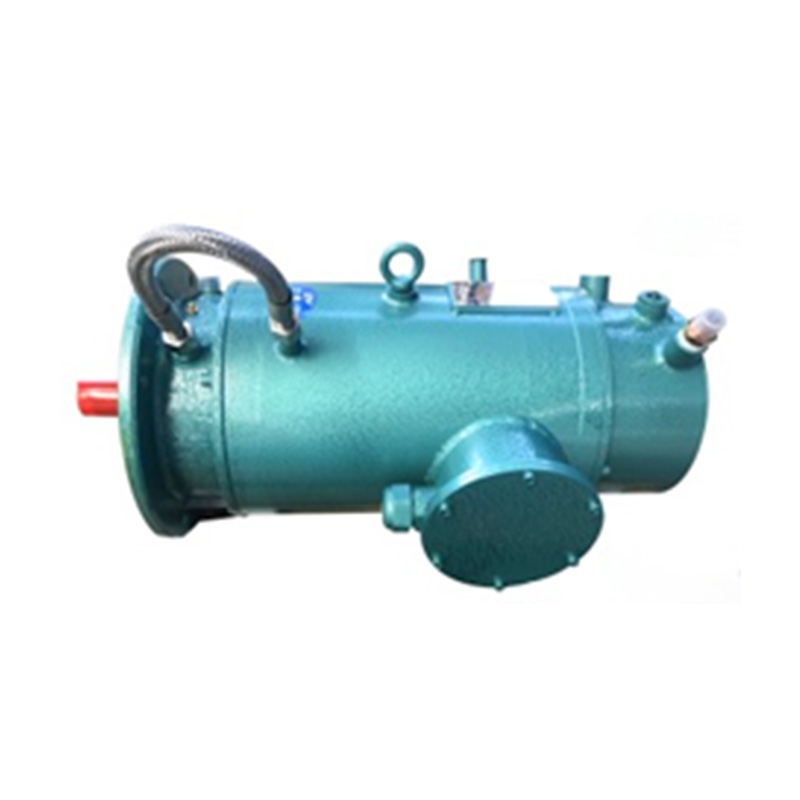
Shanghai Pinxing provides specialized motor solutions for industries where combustible dust is a primary safety concern, such as grain handling, wood processing, chemical powder production, and metalworking. Our engineers are well-versed in the standards for dust ignition protection (IEC 60079-31, ATEX for dust). We design motors to meet the rigorous requirements of Ex tD protection. Our approach combines robust enclosure design for dust-tight integrity with careful thermal management to ensure surface temperatures remain within safe limits, even under fault conditions. We can supply motors with the appropriate certification for global markets, ensuring compliance with local regulations for facilities handling combustible dusts.
Focus on Practical Safety and Maintenance
We understand that safety in dust environments is an ongoing concern. Our dust-ignition-proof motors are designed not only to be safe when new but to remain safe through maintenance cycles. We use gasket materials that maintain their seal after being opened for service. We provide clear instructions for safe maintenance, including cleaning procedures to remove accumulated dust from external surfaces (a critical step to prevent overheating). Our goal is to provide a motor that integrates seamlessly into your plant's dust safety management program.
Popular Industries And Applications
Grain and Food Processing
Elevators, silos, conveyors, and milling equipment in flour mills, sugar refineries, and feed mills generate combustible dust from grains, starches, and sugars. Motors must be rated for the specific dust group and have smooth external surfaces for easy cleaning.
Woodworking and Biomass
Sawmills, panel plants, and pellet mills generate fine wood dust, which is highly combustible. Motors on sanders, saws, dust collection fans, and conveyors require Ex tD protection and often have non-sparking external fans.
Chemical and Pharmaceutical Powder Handling
Processing, mixing, drying, and packaging of powdered chemicals, dyes, and pharmaceuticals can create explosive atmospheres. Motors need to be compatible with the specific chemical dust and may require additional corrosion resistance.
Metal Processing and 3D Printing
Handling of aluminum, magnesium, titanium, or iron powders poses a severe risk of fast and violent explosions (Group IIIC). Motors in these areas require the highest level of protection, often involving specialized designs to prevent sparking from internal or external components.
Plastics and Rubber Manufacturing
Processing of plastic pellets and powders can generate combustible dust. Motors in compounding, extrusion, and grinding areas may need dust ignition protection.
Hardcore Parameters
| Dust Group | Example Dusts | Required Protection Level | Typical Motor Features | Temperature Code Consideration |
| IIIA (Combustible Flyings) | Textile fibers, wood chips | Ex tD A or B | Enclosure prevents entry of flyings | T... based on ignition temp |
| IIIB (Non-Conductive Dust) | Flour, grain, coal, plastic, wood dust | Ex tD A (IP6X) | Dust-tight enclosure (gaskets), limited surface temp | Layer thickness rating (e.g., 75K) |
| IIIC (Conductive Dust) | Aluminum, magnesium, iron powder | Ex tD A with enhanced safety | No sparking components externally, very high sealing, special bonding | Very strict temperature limits |
1-Minute Selection Guide
Identifying the Dust Hazard
First, determine: 1) **Dust Type:** What material? Obtain its minimum ignition temperature (MIT) for cloud and layer, and its resistivity (conductive or non-conductive). 2) **Zone Classification:** Is it Zone 20 (continuous cloud), 21 (likely cloud in normal operation), or 22 (cloud unlikely)? This dictates the required protection level (Ex tD A or B). 3) **Layer Thickness:** What is the maximum expected dust accumulation before cleaning? This informs the required layer temperature rating (K value). Share this information with your motor supplier.
Specifying the Correct Certification
Your purchase specification must state: "Motor shall be certified **Ex tD IIIB T...°C**" (or IIIA/IIIC as applicable) for the specific zone. Include the required IP rating (at least IP66). Also specify if the motor needs to be suitable for a specific dust layer thickness (e.g., "rated for 5mm dust layer"). Request the certification body certificate (e.g., IECEx, ATEX) and ensure the motor nameplate matches the specification.
Customized services
Dust Hazard Assessment and Motor Selection Support
We can assist you in navigating dust safety requirements. Provide details about your process and dust, and our specialists can help determine the likely zone and dust group. We will then recommend motors from our range with the appropriate Ex tD certification and temperature ratings. We can also advise on installation practices to maintain the motor's safety integrity (e.g., proper sealing of conduits, regular cleaning schedules).
Custom Designs for Unique Dust Applications
For unusual dust mixtures, extreme layer thickness requirements, or applications combining dust and gas hazards (hybrid atmospheres), we offer custom engineering. We can design motors that meet specific temperature limits or incorporate special materials. We manage the certification process with notified bodies to ensure the final product is fully compliant for your unique application.