- 中文网站请点击 http://www.pinxinggroup.com
-
 +86-21-57566731
-
 cai@pinxingmotor.com
-
 DOWNLOAD


 English
 русский
 Français
 عربى
عربى
Dry Type Transformer Guide: Types, Specs, and Applications
Content
- 1 What Is a Dry Type Transformer?
- 2 Working Principle and Construction
- 3 Technical Specifications and Performance Factors
- 4 Application Scenarios
- 5 Dry Type vs. Oil Type Transformers
- 6 Selection Considerations
- 7 Can Dry Type Transformers Be Used Outside?
- 8 Installation and Maintenance Recommendations
- 9 Common Mistakes and Overlooked Considerations
- 10 Industry Trends and Outlook
- 11 Conclusion
- 12 Frequently Asked Questions
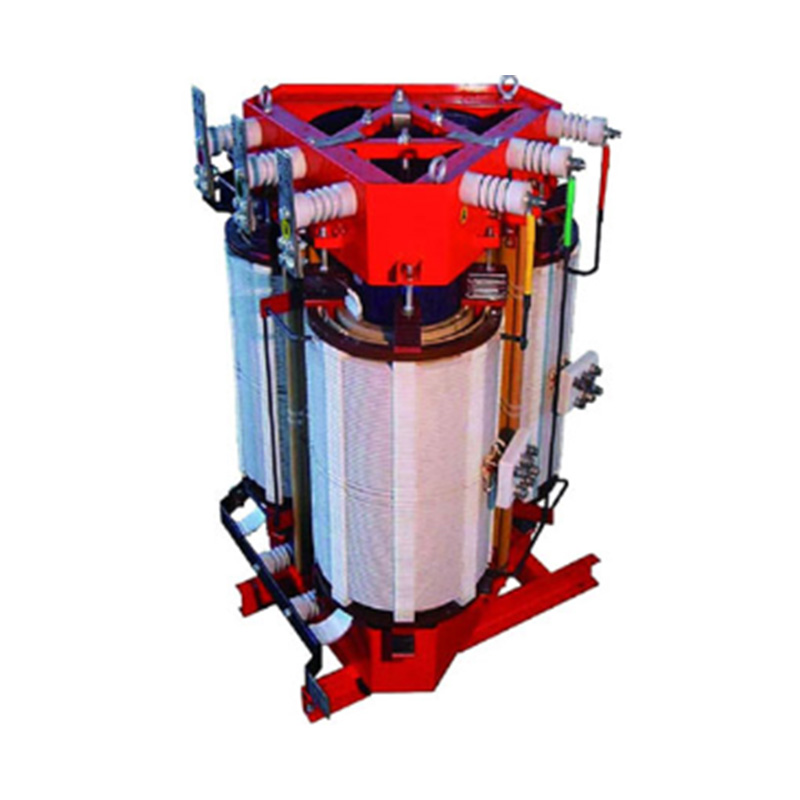
A dry type transformer transfers electrical energy between circuits using air, epoxy resin, or another non-liquid material for insulation and cooling, instead of the mineral oil used in liquid-filled units. This construction removes the fire and leakage risks associated with oil, which is why the equipment is specified widely in hospitals, schools, high-rise buildings, and data centers where indoor placement is required.
What Is a Dry Type Transformer?
A dry type transformer is a static electrical device that steps voltage up or down without immersing its core and windings in liquid dielectric. Cooling is achieved through natural air convection (AN) or forced air circulation (AF), and insulation is provided by materials such as cast epoxy resin, varnished cloth, or resin-impregnated paper. The absence of liquid insulation means there is no oil to leak, ignite, or require containment infrastructure.
Working Principle and Construction
Like any transformer, a dry type unit operates on electromagnetic induction. An alternating current in the primary winding generates a changing magnetic flux in the laminated steel core, which induces a proportional voltage in the secondary winding. The turns ratio between primary and secondary windings determines whether the unit steps voltage up or down.
Three winding technologies are common in current production:
- Cast resin (vacuum-pressure impregnated epoxy) construction, used for medium and high voltage distribution
- Vacuum pressure impregnated (VPI) varnish construction, typically used for lower voltage or smaller kVA ratings
- Open wound construction with fiberglass or Nomex insulation, used where compact resin casting is not practical
Technical Specifications and Performance Factors
Selecting a unit correctly depends on matching several rated parameters to the load and installation environment rather than kVA capacity alone.
| Parameter | Typical Range | Selection Relevance |
| Power Rating | 25 kVA to 10,000 kVA | Matches connected load plus growth margin |
| Voltage Class | Up to 36 kV primary | Determined by upstream distribution voltage |
| Insulation Class | Class F (155°C) or Class H (180°C) | Governs allowable temperature rise and lifespan |
| Cooling Method | AN (natural) or AF (forced air) | AF adds up to 40 percent capacity during peak load |
| Impedance | 4 percent to 8 percent | Affects fault current and voltage regulation |
| Sound Level | 50 dB to 70 dB depending on kVA | Relevant for occupied indoor installations |
Application Scenarios
Because a dry type transformer does not require an oil containment pit, fire barrier walls, or an outdoor vault in many jurisdictions, it is the standard choice for locations where personnel occupy the same building as the electrical equipment. Common installation environments include:
- Commercial high-rise buildings, where the unit is installed on upper floors or in basement electrical rooms
- Hospitals and schools, where fire codes restrict oil-filled equipment inside occupied structures
- Data centers, where uninterrupted power distribution and low fire risk are both priorities
- Renewable energy installations, including wind turbine nacelles and solar inverter stations
- Industrial plants with process areas that prohibit combustible liquids near production lines
Dry Type vs. Oil Type Transformers
The two technologies differ most in cooling medium, fire behavior, and maintenance profile. The table below summarizes the practical differences relevant to a purchasing decision.
| Factor | Dry Type Transformer | Oil Type Transformer |
| Cooling Medium | Air or epoxy resin | Mineral or synthetic oil |
| Fire Risk | Low, self-extinguishing resin available | Higher, requires containment |
| Indoor Installation | Permitted in most occupied buildings | Typically restricted or requires vault |
| Maintenance | Minimal, no oil testing required | Periodic oil sampling and filtration |
| Typical kVA Range | 25 to 10,000 kVA | 25 kVA to over 100,000 kVA |
| Overload Tolerance | Lower without forced air cooling | Generally higher, oil dissipates heat efficiently |
Selection Considerations
Can Dry Type Transformers Be Used Outside?
Yes, outdoor installation is possible when the unit is built with a weatherproof enclosure rated for the application, typically NEMA 3R or equivalent. Outdoor dry type transformers include additional protection against moisture ingress, ventilation louvers with rain hoods, and corrosion-resistant coatings. Ambient temperature swings and humidity should be factored into the thermal design when specifying an outdoor unit.
Installation and Maintenance Recommendations
Common Mistakes and Overlooked Considerations
- Undersizing ventilation clearance, which raises operating temperature and shortens winding life
- Ignoring altitude derating factors when installing above 1,000 meters elevation
- Selecting impedance values without checking upstream fault current coordination
- Overlooking sound level requirements in occupied floor installations
- Skipping insulation resistance testing before initial energization
Industry Trends and Outlook
Demand for higher efficiency ratings, driven by updated energy efficiency standards in multiple regions, is pushing manufacturers toward improved core steel grades and optimized winding geometry. Growth in data center construction and renewable energy interconnection continues to expand the applications where indoor, low-fire-risk transformation equipment is required.
Conclusion
A dry type transformer offers a practical alternative to oil-filled equipment wherever indoor installation, reduced fire risk, or simplified maintenance are priorities. Matching insulation class, cooling method, and enclosure rating to the specific installation environment is the key step in achieving reliable long-term performance.
Frequently Asked Questions
What is a dry type transformer?
It is a transformer that uses air or solid insulation such as cast epoxy resin instead of oil to insulate and cool the windings, making it suitable for indoor installation without fire containment infrastructure.
What is the difference between dry type and oil type transformers?
Dry type units use air or resin insulation and carry lower fire risk, while oil type units use liquid dielectric that provides higher cooling efficiency but requires containment and periodic oil testing.
What are the 4 types of transformers?
Transformers are commonly grouped by cooling and insulation method into dry type, oil-immersed, cast resin, and gas-insulated types, each suited to different voltage classes and installation environments.
What are dry type transformers used for?
They are used to step voltage up or down in commercial buildings, hospitals, schools, data centers, and industrial facilities where indoor placement and reduced fire risk are required.
Can dry type transformers be used outside?
Yes, when housed in a weatherproof enclosure rated for outdoor exposure, with added protection against moisture, corrosion, and ambient temperature variation.

Get in Touch
Related Products
 Shanghai Pinxing
Explosion-proof Motor Co., Ltd.
-
 cai@pinxingmotor.com
-
 +86-21-57566731
-
 +86-21-57566967
-
 No.699, Pinxing Rd., Qinggang Industrial Zone, Fengxian District, Shanghai, China.(East Gate)
-
No. 168, Qingling Rd, Qinggang Industrial Zone, Qingcun Town, Fengxian District, Shanghai, China (South Gate)
Copyright@ 2024 Shanghai Pinxing Explosion-proof Motor Co., Ltd. All Rights Reserved.
Privacy