- 中文网站请点击 http://www.pinxinggroup.com
-
 +86-21-57566731
-
 cai@pinxingmotor.com
-
 DOWNLOAD


 English
 русский
 Français
 عربى
عربى
What Are Custom Explosion-Proof Motors and Where Are They Essential?
Content
- 1 The Critical Role of Custom Explosion-Proof Motors
- 2 Core Industries and High-Stakes Applications
- 3 Key Engineering Specifications and Selection Criteria
- 4 Comparison with Alternative Solutions
- 5 Trends and Future Developments
- 6 FAQ
- 6.1 What does the "T4" or temperature class on an explosion-proof motor mean?
- 6.2 Can a standard industrial motor be modified to be explosion-proof?
- 6.3 How does the protection for gases (Ex) differ from that for combustible dusts?
- 6.4 What are the most important factors to discuss with a manufacturer when ordering a custom motor?
The Critical Role of Custom Explosion-Proof Motors
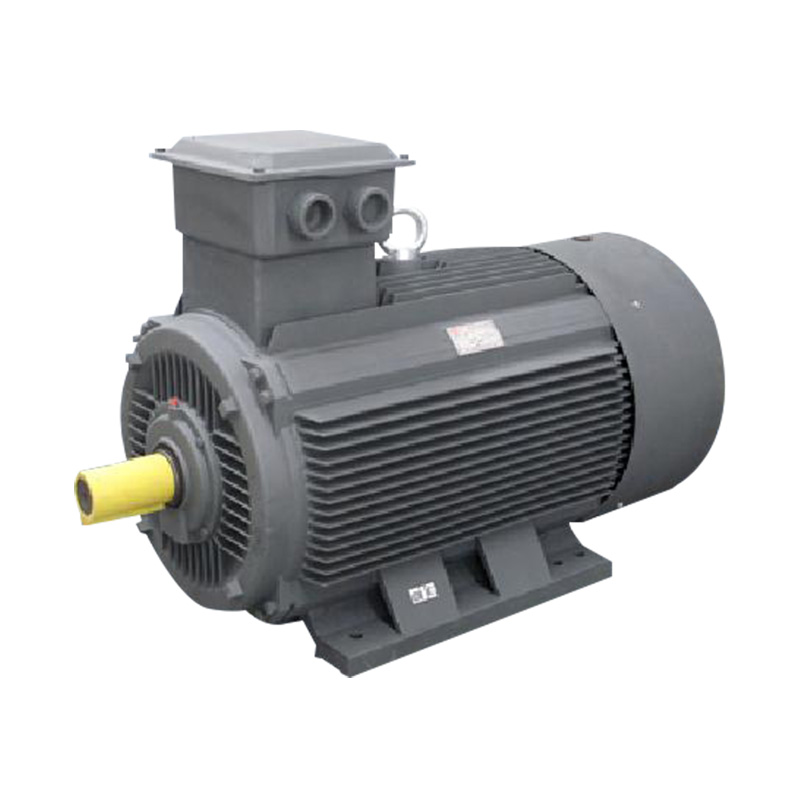
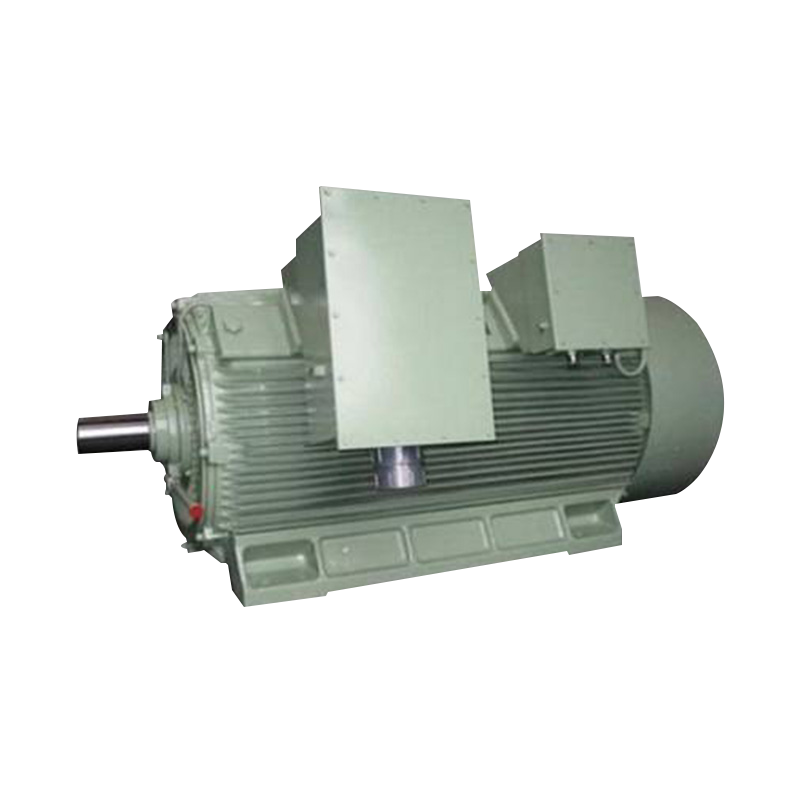
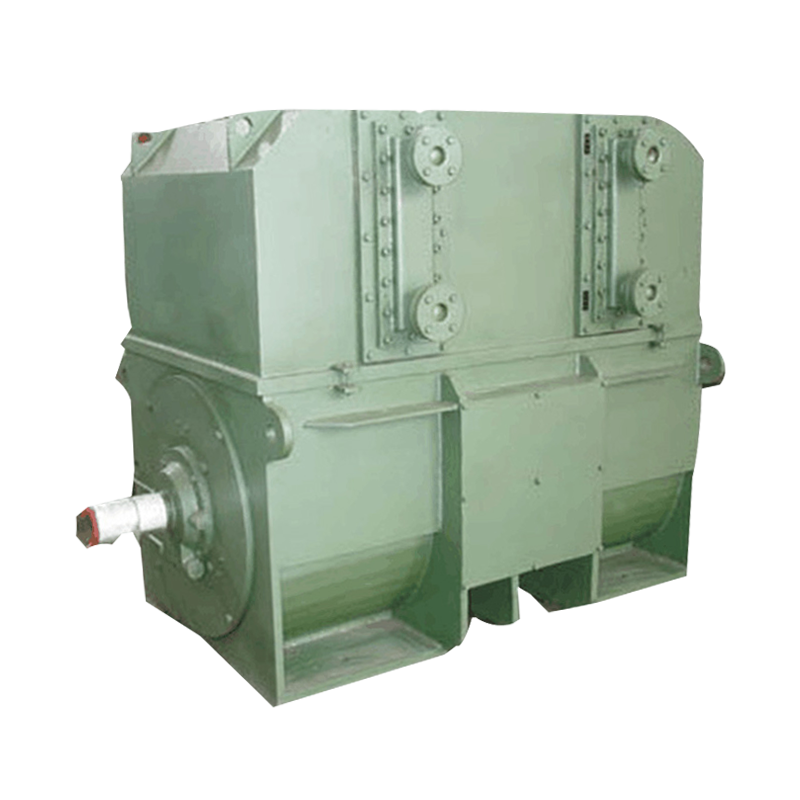
In industries where safety is non-negotiable, specialized equipment forms the backbone of operations. A Custom Explosion-Proof Motor is a precision-engineered electric motor designed to prevent ignition in environments with flammable gases, vapors, combustible dusts, or ignitable fibers[citation:2]. Unlike standard industrial motors, these units are constructed to contain any potential internal explosion, ensuring it does not propagate to the hazardous external atmosphere. This capability makes them indispensable for maintaining continuous, safe operations in sectors such as petrochemicals, mining, and pharmaceuticals, where explosive hazards are inherent to the process. The "custom" aspect signifies that these motors are not off-the-shelf products; they are tailored to meet specific technical requirements, stringent regulatory standards, and unique application challenges of a particular project or facility.
- Fundamental Safety Philosophy: The core principle is containment. The motor's enclosure is engineered to withstand the pressure of an internal explosion of specified gases or dusts. Joints and shafts are designed with flame paths that cool escaping gases below the ignition temperature of the external atmosphere.
- Regulatory Compliance: These motors are built and certified to rigorous international standards, such as ATEX (EU), IECEx (International), NEC/CEC with Class & Division or Class & Zone systems (North America). Compliance is not optional but a legal and insurance requirement for operating in classified hazardous areas.
- Application-Driven Customization: Customization can involve specific voltage and frequency requirements (e.g., for global projects), special materials for corrosion resistance, unique mounting configurations, integrated cooling systems, or specific efficiency classes like IE3 or IE4 to meet energy regulations.
Core Industries and High-Stakes Applications
The deployment of Custom Explosion-Proof Motors is dictated by the presence of classified hazardous areas. Their reliability directly impacts operational safety, environmental protection, and asset integrity. A key trend is their growing integration into automated and digitally monitored industrial systems, where their performance data contributes to predictive maintenance and overall plant safety management[citation:2]. The failure of such a critical component can lead to catastrophic consequences, making their specification and performance paramount.
| Industry | Typical Applications | Primary Hazards & Custom Needs |
| Oil, Gas & Petrochemical | Driving pumps for crude oil, LNG, and refined products; powering compressors, fans, and mixers in refineries and offshore platforms. | Flammable gases and vapors (e.g., methane, hydrogen, benzene). Customizations include specific gas group ratings, heavy-duty corrosion protection for offshore use, and high-power designs. |
| Mining & Minerals Processing | Conveyor systems, ventilation fans, crushers, and slurry pumps in underground and surface mines. | Combustible dust (coal, sulfur, metal powders) and methane gas. Motors require dust-ignition-proof (DIP) designs, rugged construction for shock/vibration, and often high-torque capabilities. |
| Chemical & Pharmaceutical Manufacturing | Agitators in reactors, pumps for solvents, and fans in drying and coating processes. | Flammable solvents, vapors, and reactive dust. Custom needs involve compatibility with aggressive chemicals (special coatings/seals), washdown capabilities, and precise speed control. |
| Grain Handling & Food Processing | Elevators, conveyors, grinders, and silo aeration fans in flour mills, sugar plants, and feed mills. | Explosive dust clouds from grain, starch, or sugar. Motors must be designed for dusty environments, with specific temperature codes (T-class) to prevent surface ignition. |
Key Engineering Specifications and Selection Criteria
Selecting and specifying a Custom Explosion-Proof Motor is a complex engineering process that goes far beyond standard horsepower and speed ratings. It involves a thorough hazard analysis of the installation site and a precise match between the motor's protection features and the environmental conditions[citation:2]. An incorrect specification not only violates safety codes but creates an unacceptable risk of ignition.
Understanding Protection Methods and Certification Marks
Different protection methodologies are used based on the hazard type. Key designations include:
- Flameproof Enclosure (Ex d): The most common method for gases. The enclosure withstands an internal explosion and prevents its transmission via precision-machined flame-path gaps that cool escaping gases.
- Increased Safety (Ex e): Applied to components like terminal boxes. It prevents arcs, sparks, and excessive temperatures under normal or foreseeable fault conditions.
- Pressurized Enclosure (Ex p): Maintains a protective gas (air or inert gas) inside the enclosure at a pressure above the surrounding atmosphere to prevent ingress of flammable mixtures.
- Dust Ignition Protection (Ex tD): For dust hazards. The enclosure prevents dust ingress and limits surface temperature.
A motor's nameplate displays its certification (e.g., ATEX II 2 G Ex db IIC T4 Gb), which encodes the protected atmosphere (Gas/Dust), equipment category, protection method, gas group, temperature class, and more.
Critical Technical Parameters for Customization
Engineers must define a comprehensive set of parameters to guide the motor's custom design:
- Hazardous Area Classification: Defining the Zone (0, 1, 2 for gases; 20, 21, 22 for dust) and the specific substances present is the absolute first step.
- Power & Performance: Required power (kW/HP), speed (RPM), torque characteristics, and duty cycle (e.g., S1 continuous).
- Environmental Conditions: Ambient temperature range, altitude, presence of corrosive elements, and required ingress protection (IP rating) against solids and water.
- Mechanical Integration: Mounting type (foot, flange, etc.), shaft dimensions, and connection to the driven equipment.
Comparison with Alternative Solutions
While Custom Explosion-Proof Motors are the standard for direct installation in hazardous areas, other strategies exist for mitigating explosion risks. The choice depends on the application's feasibility, cost, and risk assessment.
| Solution | Principle | Best For | Limitations |
| Explosion-Proof Motor (Customized) | Contains ignition at source. The motor itself is safe to operate in the hazard. | Direct drive of equipment located within the classified hazardous area (pumps, fans inside a refinery). | Higher initial cost and weight. Requires careful specification and maintenance of explosion-proof integrity. |
| Purging & Pressurization Systems | Places a standard motor inside a cabinet flooded with clean air or inert gas to create a safe internal environment. | Protecting complex or very large standard motors, or systems with multiple components in a single enclosure. | Requires a continuous supply of clean purge air/gas, monitoring systems, and adds system complexity. |
| Relocating Equipment to a Safe Area | Places the motor outside the hazardous zone, driving the equipment via a long shaft or other means. | Applications where the hazardous area is small or well-defined, and mechanical power transmission is feasible. | Not always mechanically practical. Introduces efficiency losses and maintenance challenges with long shafts or couplings. |
Trends and Future Developments
The market for Custom Explosion-Proof Motors is evolving, driven by the global push for energy efficiency, digitalization, and even stricter safety protocols[citation:2].
- Integration with Industry 4.0: Modern motors are increasingly equipped with sensors for condition monitoring (vibration, temperature, bearing health). In explosion-proof designs, this data must be transmitted via intrinsically safe or approved communication protocols, enabling predictive maintenance and reducing unplanned downtime.
- Focus on Premium Efficiency: There is a strong drive to develop explosion-proof motors that meet or exceed premium efficiency standards (IE3, IE4). This reduces the total cost of ownership and aligns with global sustainability goals, even within the constraints of robust explosion-proof housings.
- Material and Design Innovation: Use of advanced materials for lighter yet stronger enclosures, improved sealing technologies for higher IP ratings, and advanced thermal management designs to optimize performance and extend service life in harsh conditions.
FAQ
What does the "T4" or temperature class on an explosion-proof motor mean?
The Temperature Class (T1 to T6) indicates the maximum surface temperature the motor enclosure can reach under all operating conditions, including overload. It must be below the auto-ignition temperature of the specific gas or dust present. For example, a T4 rating means the surface will not exceed 135°C. Selecting a motor with a temperature class lower than the ignition temperature of the hazardous material is a critical safety requirement to prevent the motor itself from becoming an ignition source.
Can a standard industrial motor be modified to be explosion-proof?
No, it cannot. Explosion-proof construction is integral to the motor's design, manufacturing, and testing from the ground up. It involves specific materials, casting integrity, machining tolerances on flame paths, internal component design, and factory testing that cannot be replicated by field modifications. Attempting to modify a standard motor for hazardous duty is extremely dangerous and violates all safety standards and certifications.
How does the protection for gases (Ex) differ from that for combustible dusts?
While the goal is the same—preventing an explosion—the mechanisms differ due to the physical nature of the hazards. Gas explosion protection (Ex) often focuses on containing an explosion within a sturdy enclosure. Dust explosion protection (often marked as Ex or specifically for dust) focuses heavily on preventing dust ingress into the motor where it could accumulate and overheat, and on limiting the motor's external surface temperature so it cannot ignite a dust layer. A motor certified for gases is not automatically suitable for dust, and vice versa, unless it holds a dual certification.
What are the most important factors to discuss with a manufacturer when ordering a custom motor?
To ensure the motor is fit for purpose, you must provide the manufacturer with a detailed specification including: 1) The complete hazardous area classification and required certification (ATEX, IECEx, etc.); 2) Full electrical and mechanical load details; 3) Detailed environmental conditions (ambient temperature, chemical exposure, humidity, altitude); 4) Any special requirements like specific efficiency class, brake, encoder, or special coatings. A reputable manufacturer will have a detailed questionnaire to capture all necessary data for engineering a safe and reliable custom solution.

Get in Touch
Related Products
 Shanghai Pinxing
Explosion-proof Motor Co., Ltd.
-
 cai@pinxingmotor.com
-
 +86-21-57566731
-
 +86-21-57566967
-
 No.699, Pinxing Rd., Qinggang Industrial Zone, Fengxian District, Shanghai, China.(East Gate)
-
No. 168, Qingling Rd, Qinggang Industrial Zone, Qingcun Town, Fengxian District, Shanghai, China (South Gate)
Copyright@ 2024 Shanghai Pinxing Explosion-proof Motor Co., Ltd. All Rights Reserved.
Privacy