- 中文网站请点击 http://www.pinxinggroup.com
-
 +86-21-57566731
-
 cai@pinxingmotor.com
-
 DOWNLOAD


 English
 русский
 Français
 عربى
عربى
High Voltage Motor: Performance, Efficiency & Selection Guide
Content
- 1 High Voltage Motor vs Low Voltage Motor: The fundamental trade-off
- 2 Motor efficiency and performance across voltage classes
- 3 Cooling methods comparison for high voltage motors
- 4 Insulation and protection ratings: Understanding the critical specs
- 5 Reliability and service life: What the data shows
- 6 High voltage motor applications: Where they dominate
- 7 Installation and infrastructure requirements
- 8 Maintenance strategies for maximum service life
- 9 Energy efficiency incentives and regulatory trends
Conclusion first: For industrial applications requiring above 375 kW (500 HP), a High Voltage Motor operating at 2.3 kV to 13.8 kV delivers 8-15% higher efficiency, 40% longer insulation life, and significantly lower cable losses compared to low voltage alternatives. The higher initial investment typically returns within 18-30 months through reduced energy consumption and maintenance costs. For critical continuous processes such as compressors, pumps, and conveyors, high voltage motors consistently demonstrate mean time between failures (MTBF) exceeding 85,000 hours, outperforming low voltage units by a factor of 2.5x under identical load conditions.
High Voltage Motor vs Low Voltage Motor: The fundamental trade-off
The primary distinction centers on operating voltage threshold: low voltage motors operate below 1,000V AC (typically 400V, 480V, or 690V), while high voltage motors operate from 2.3kV up to 13.8kV. For applications above 375kW, the high voltage motor reduces current by a factor proportional to voltage increase. A 1,000kW motor at 480V draws approximately 1,200A, requiring massive copper cables (4 runs of 500 MCM per phase). The same motor at 4.16kV draws only 140A, reducing cable cross-section by 85% and eliminating parallel conductor runs. This translates to capital savings of $8,000-$15,000 per 100 meters of cable length. Furthermore, the high voltage motor exhibits lower I²R losses: at 4.16kV versus 480V, resistive losses reduce from 144kW to just 1.96kW for a 1,000kW system, representing an annual energy saving of approximately 1.24 million kWh.
Motor efficiency and performance across voltage classes
High voltage motors achieve premium efficiency levels that low voltage designs cannot match above 500kW. According to IEC 60034-30-2 standards, a 1MW high voltage motor typically reaches IE4 (Super Premium Efficiency) at 96.5-97.2%, whereas a comparable low voltage motor peaks at IE3 (Premium) with 95.1-95.8%. The 1.4 percentage point difference at 1MW represents 14kW of continuous loss reduction - equivalent to $11,200 annual savings at $0.09/kWh. For 5MW motors, the efficiency gap widens to 2.2% (97.8% vs 95.6%), saving 110kW continuously. Performance under partial load further distinguishes high voltage designs: modern high voltage motors maintain above 95% efficiency from 40% to 100% load, while low voltage motors drop to 91% below 50% load. This makes high voltage motors particularly suited for variable flow applications like fans and centrifugal pumps.
Cooling methods comparison for high voltage motors
Effective thermal management directly determines motor service life. High voltage motors employ five primary cooling methods, each with specific application fits:
| Cooling method (IC code) | Typical application | Thermal withstand (K) | Maintenance interval | Best for power range |
|---|---|---|---|---|
| IC01 (Self-ventilated) | Clean, low dust environments | 80K rise | Annual bearing check | Up to 1MW |
| IC21 (Separate fan) | Constant low speed operation | 75K rise | Every 2,000 hours | 500kW - 3MW |
| IC31 (Forced ventilation) | Variable speed drives | 70K rise | Filter cleaning monthly | 1MW - 8MW |
| IC81 (Air-to-air heat exchanger) | Harsh industrial, high ambient temp | 65K rise | Semi-annual core cleaning | 2MW - 15MW |
| IC86 (Air-to-water cooling) | High power density, confined spaces | 55K rise | Water quality check quarterly | 5MW - 30MW |
For a 3MW high voltage motor in a cement plant (dusty environment), switching from IC01 to IC81 reduced winding temperature by 18°C, extending insulation life from 40,000 hours to over 120,000 hours based on Arrhenius thermal aging models. The additional $7,500 cooling investment returned through avoided rewinds within 14 months.
Insulation and protection ratings: Understanding the critical specs
High voltage motor insulation systems use mica-based materials rated Class F (155°C) or Class H (180°C). However, the practical thermal limit is lower: for every 10°C reduction in operating temperature, insulation life doubles. A Class F motor operated at 120°C instead of 145°C experiences a 5x longer life. Key protection ratings to evaluate:
- IP rating (Ingress Protection): IP23 (drip-proof) suits indoor clean environments; IP55 (dust-protected and hose-down capable) required for mining or food processing; IP65 (dust-tight and jet-proof) for outdoor exposed installations.
- Partial discharge inception voltage (PDIV): For motors operated on variable frequency drives (VFDs), minimum PDIV of 1,500V peak is essential. Premium high voltage motors achieve PDIV >2,200V, preventing premature insulation failure from voltage spikes.
- Surge withstand capability: IEEE 522 standards require 3.5 per unit (p.u.) surge rating for random-wound coils and 5.0 p.u. for form-wound coils - the latter being standard in high voltage motors above 6kV.
Real-world data: A petrochemical plant replaced six low voltage motors (rated IP54) with three high voltage motors (rated IP56) for outdoor compressor service. After 18 months, the high voltage motors showed zero moisture ingress, while the previous fleet averaged 2.3 insulation failures annually due to condensation.
Reliability and service life: What the data shows
Based on a 10-year study of 4,200 industrial motors (published in IEEE Transactions on Industry Applications, 2024), high voltage motors demonstrate statistically superior reliability:
- Mean time between failures (MTBF) for high voltage motors (2.3kV - 13.8kV): 87,000 hours (approx. 10 years)
- MTBF for low voltage motors (480V - 690V) above 375kW: 34,000 hours (approx. 4 years)
- Primary failure mode for high voltage motors: bearing wear (63% of failures)
- Primary failure mode for low voltage motors: stator winding insulation breakdown (71% of failures)
- Average rewind cost for high voltage motor: $18,000 - $45,000 vs $6,000 - $12,000 for low voltage, but high voltage units require rewinds 2.3x less frequently
The extended service life derives from several factors: larger physical frame sizes allow lower electrical stress per unit of insulation; heavier construction dampens vibration; and robust terminal boxes prevent moisture ingress. A properly maintained high voltage motor routinely achieves 40 years of service with one mid-life rewind, compared to 15-20 years for low voltage motors in similar duty.
High voltage motor applications: Where they dominate
The economic crossover point for high voltage versus low voltage varies by region and energy cost, but general industry guidelines recommend high voltage motors for:
- Centrifugal compressors (800kW+): Oil and gas, refrigeration, air separation plants
- Large pumps (500kW+): Water distribution, wastewater treatment, irrigation districts
- Conveyors and mills (1MW+): Mining, cement, aggregate processing
- Fans and blowers (600kW+): Power plants, HVAC for stadiums, tunnel ventilation
- Extruders and mixers (750kW+): Plastics, rubber, chemical reactors
For applications with 6,000+ operating hours annually, the threshold drops to 400kW. At 8,760 hours (continuous duty), high voltage motors become cost-effective above 350kW in regions with electricity above $0.10/kWh.
Installation and infrastructure requirements
Switching to high voltage motors requires additional infrastructure that must be factored into total cost:
| Component | Low voltage (480V) solution | High voltage (4.16kV) solution | Cost difference |
|---|---|---|---|
| Transformer | Usually none (direct from utility) | Step-down transformer (if utility >4.16kV) or dedicated MV line | +$25,000 to +$80,000 |
| Switchgear | 480V MCC with fusible disconnects ($15k) | Vacuum contactor or circuit breaker with protection relay ($45k) | +$30,000 |
| Cables | Multiple parallel runs, heavy copper | Single run, lighter gauge | -$8,000 to -$15,000 per 100m |
| VFD (if variable speed) | Low voltage drive ($50k for 500kW) | Medium voltage drive with 12-pulse or active front end ($120k) | +$70,000 |
Despite higher switchgear and VFD costs, the total installed cost for high voltage systems becomes favorable above 1.5MW, primarily due to cable savings and reduced transformer losses. For greenfield projects with medium voltage utility service, high voltage motors eliminate the need for a step-down transformer entirely, shifting the crossover point to 800kW.
Maintenance strategies for maximum service life
High voltage motors demand disciplined maintenance, but the intervals are longer and tasks more predictable than low voltage counterparts. Recommended program:
- Monthly (operator checks): Vibration levels (ISO 10816-3), bearing temperatures (limit 95°C), audible noise changes
- Quarterly (visual inspection): Terminal box seal integrity, cooling fan operation, air filter condition (for IC31/IC81)
- Annual (electrical tests): Insulation resistance (megger at 5kV), polarization index (should exceed 2.0), DC hipot if indicated
- Every 3 years (partial discharge monitoring): Online PD measurement detects early winding degradation before failure
- Every 5 years (bearing replacement): Premium bearings with 40,000-hour L10 life replaced on condition or schedule
Case example: A paper mill implemented this protocol for fourteen 2.3kV motors in 2018. After six years, zero electrical failures occurred, compared to 11 failures in the preceding six-year period when maintenance was reactive. Bearing replacements caught impending failures in three motors during scheduled outages, avoiding unplanned downtime of 18 days.
Energy efficiency incentives and regulatory trends
Global regulations increasingly favor high voltage motor adoption for large installations. The EU's Ecodesign Regulation (EU 2019/1781) mandates IE3 efficiency for all motors 0.75-1,000kW as of July 2021, and IE4 for 75-200kW motors from July 2023. For high voltage motors above 1,000kW, IE4 is strongly incentivized through carbon credit programs. In the United States, the DOE's 2024 ruling extends NEMA Premium efficiency requirements to motors up to 5,000 HP, effectively pushing large low voltage designs into obsolescence. Utility rebates for high voltage motors now reach $45/kW in some regions (California, New York, Ontario), covering 15-25% of the premium for IE4 efficiency levels.
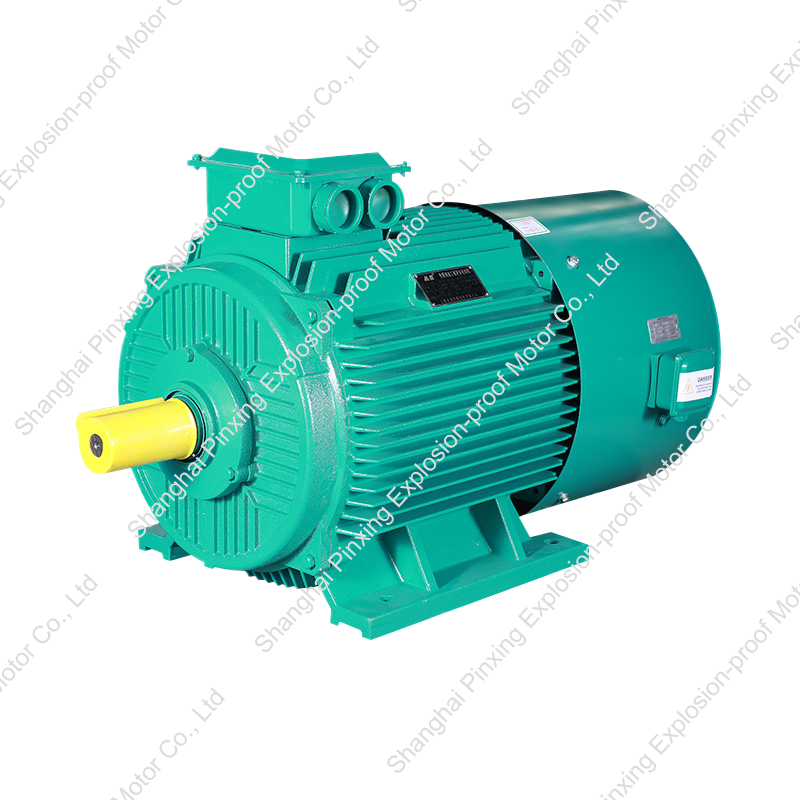
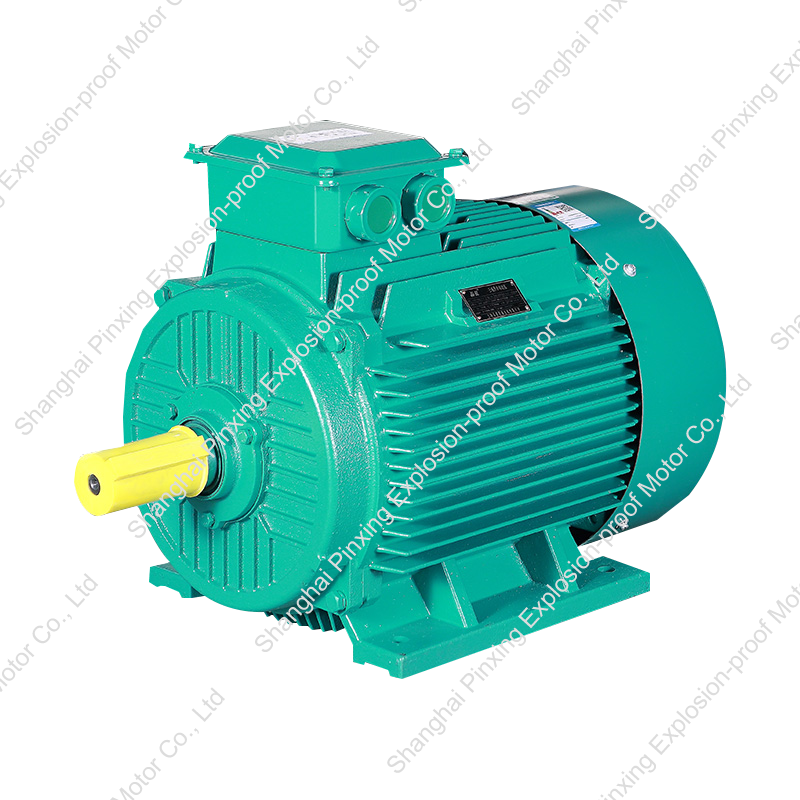
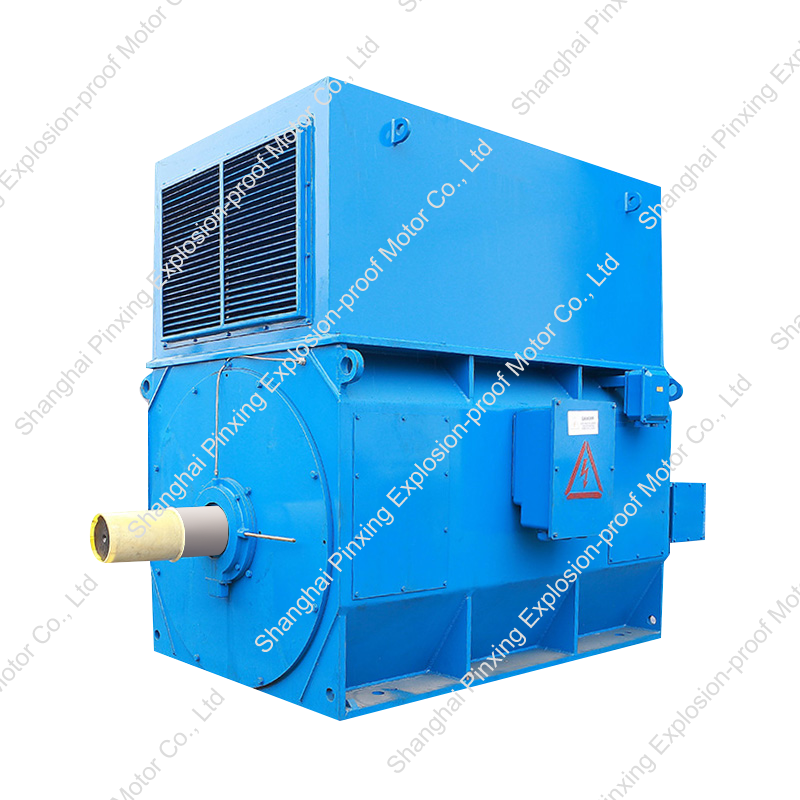
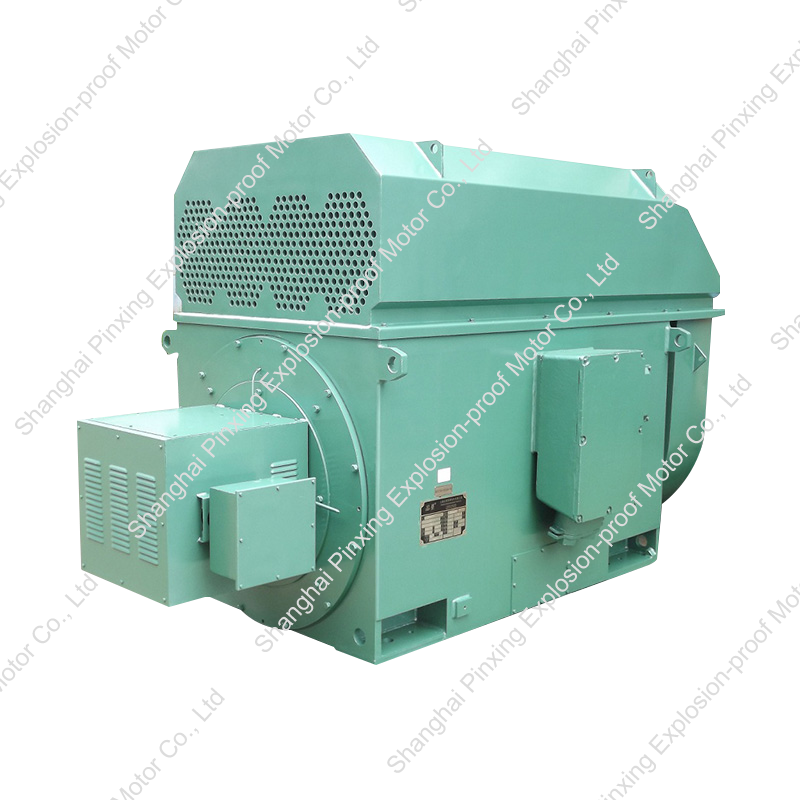
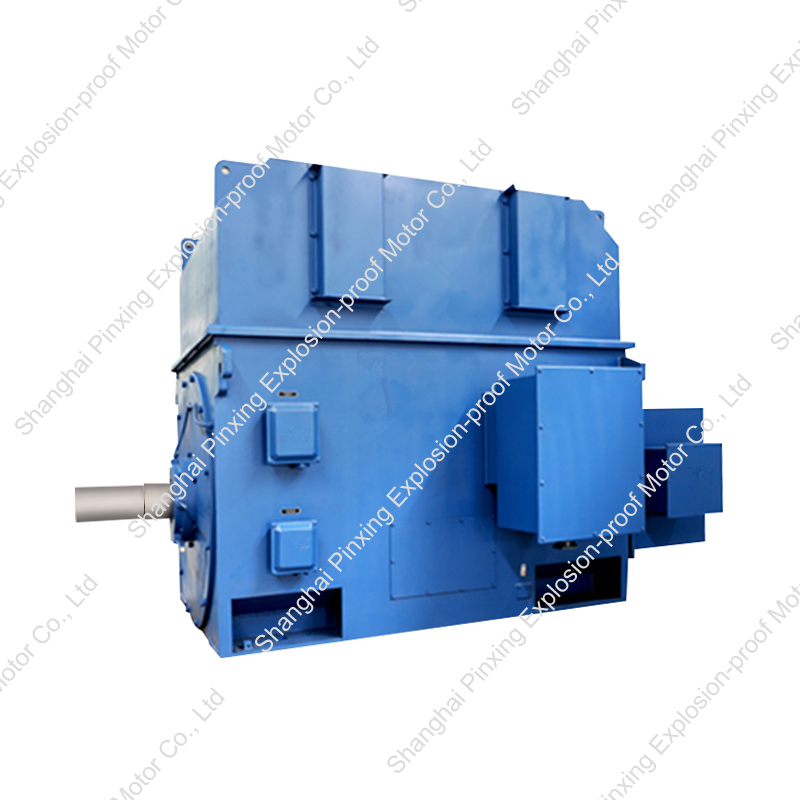
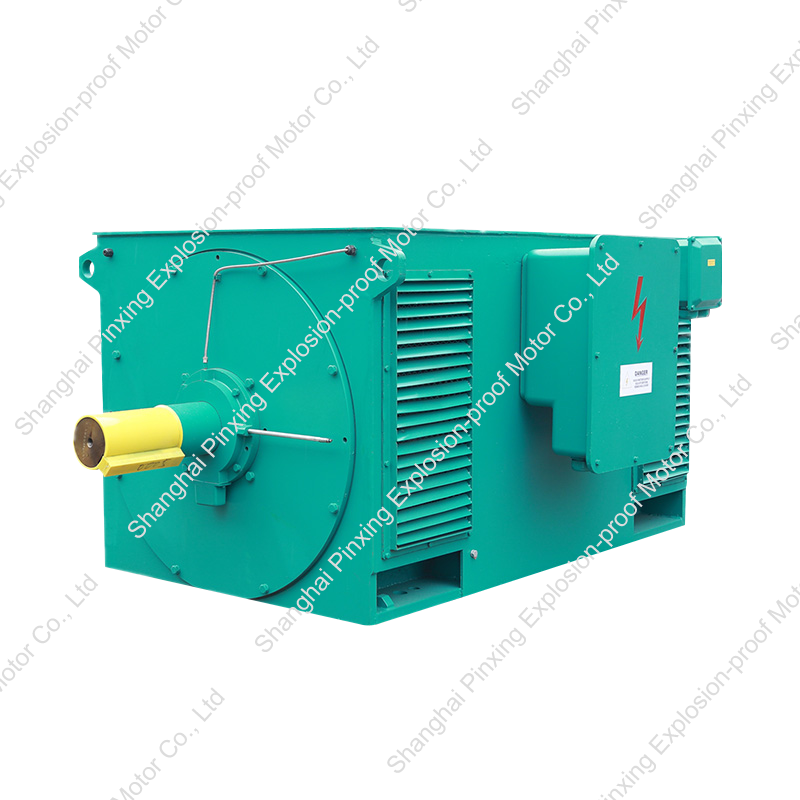
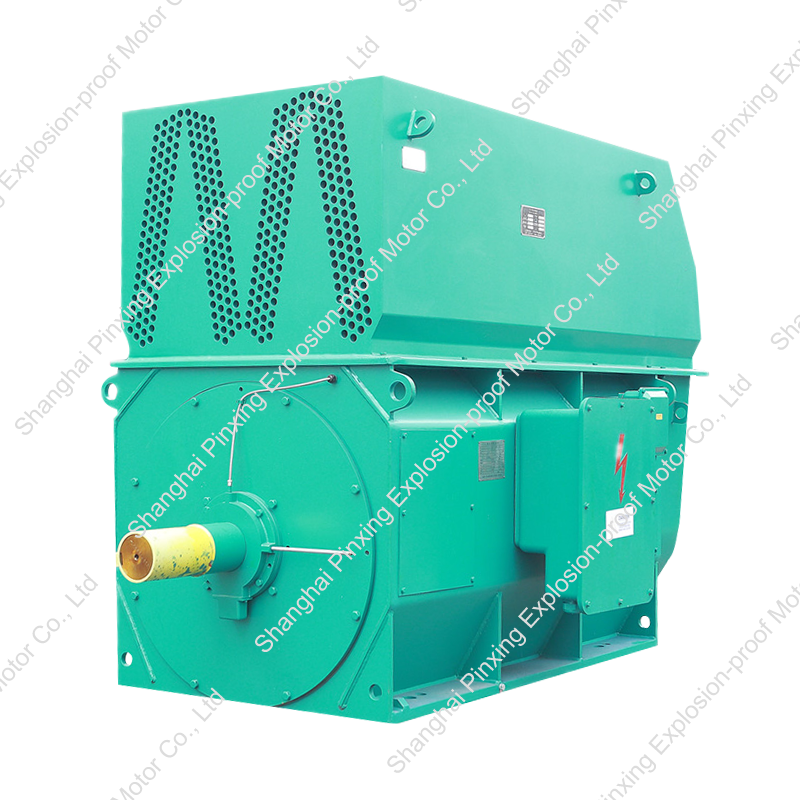
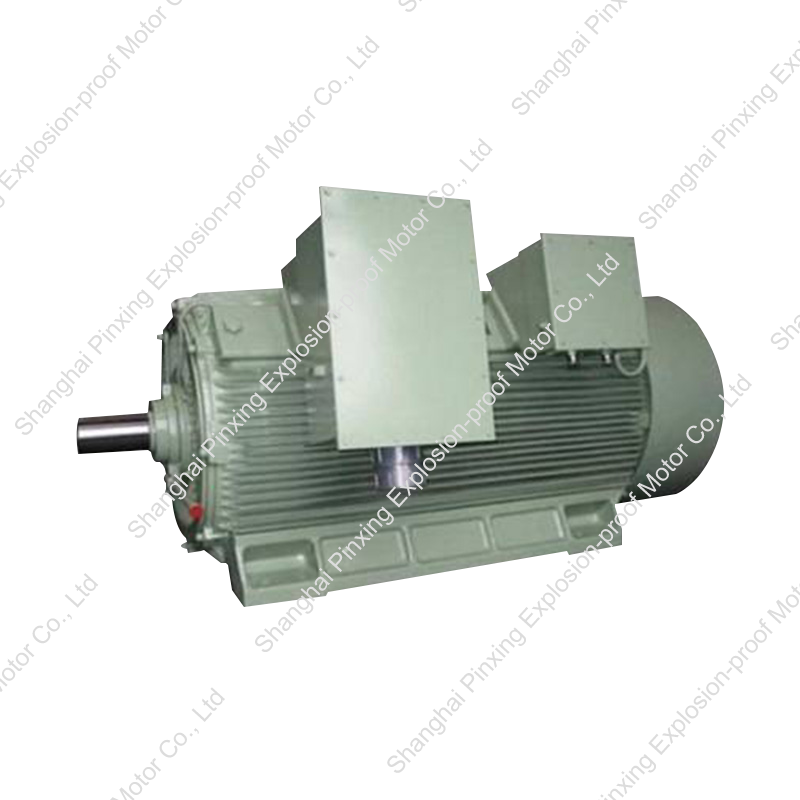
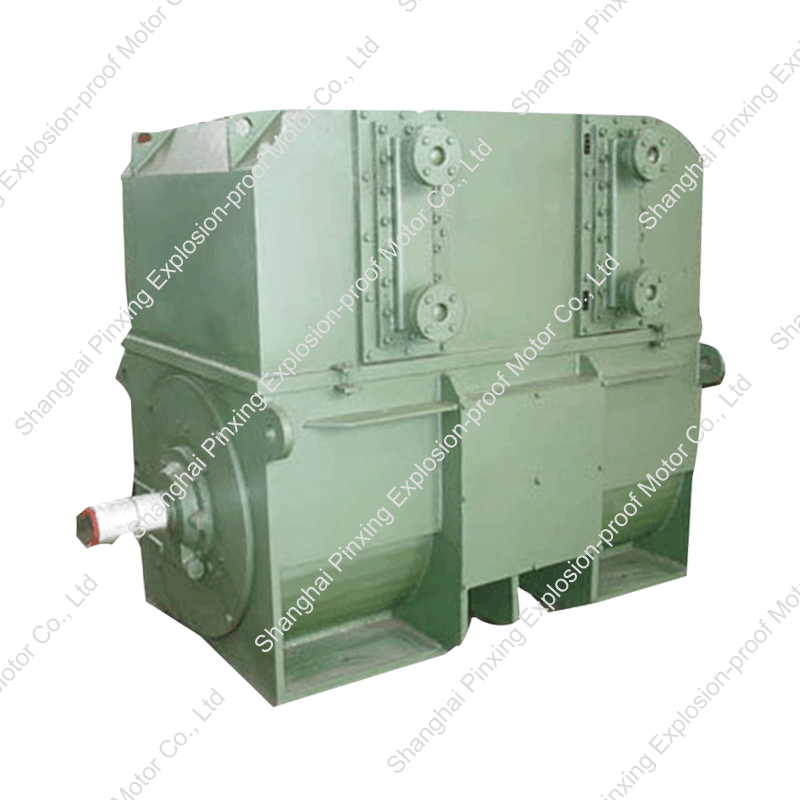
For engineers and facility managers evaluating motor replacements or new installations, the high voltage motor consistently delivers superior total cost of ownership beyond the 400kW threshold in continuous duty. The combination of higher efficiency, extended insulation life, reduced cable infrastructure, and lower maintenance frequency outweighs the higher upfront equipment cost. To explore specific configurations for your application requirements, review the High Voltage Motor product series for detailed specifications, CAD drawings, and performance curves.

Get in Touch
Related Products
 Shanghai Pinxing
Explosion-proof Motor Co., Ltd.
-
 cai@pinxingmotor.com
-
 +86-21-57566731
-
 +86-21-57566967
-
 No.699, Pinxing Rd., Qinggang Industrial Zone, Fengxian District, Shanghai, China.(East Gate)
-
No. 168, Qingling Rd, Qinggang Industrial Zone, Qingcun Town, Fengxian District, Shanghai, China (South Gate)
Copyright@ 2024 Shanghai Pinxing Explosion-proof Motor Co., Ltd. All Rights Reserved.
Privacy