- 中文网站请点击 http://www.pinxinggroup.com
-
 +86-21-57566731
-
 cai@pinxingmotor.com
-
 DOWNLOAD


 English
 русский
 Français
 عربى
عربى
How to Quickly Locate Electrical Faults in Three Phase Wound Rotor Motors?
Content
For maintenance engineers and plant operators, unexpected motor failure means production downtime, lost revenue, and costly emergency repairs. Three-phase wound rotor motors present unique diagnostic challenges because their electrical systems include both stator windings and a rotor circuit with external resistance. Understanding how to systematically locate electrical anomalies can reduce troubleshooting time from hours to minutes. This guide provides a structured approach to identifying common electrical faults, using practical testing methods and clear diagnostic criteria.
High-Search-Volume Long-Tail Keywords
The following five long-tail keywords represent what maintenance professionals search for when diagnosing these motor types:
- wound rotor motor slip ring troubleshooting
- Three-phase wound rotor motor insulation resistance test
- wound rotor motor brush sparking causes
- Three-phase wound rotor motor no-load test procedure
- wound rotor motor rotor winding continuity check
Understanding the Electrical Architecture
Why Wound Rotor Motors Require Specialized Diagnostics
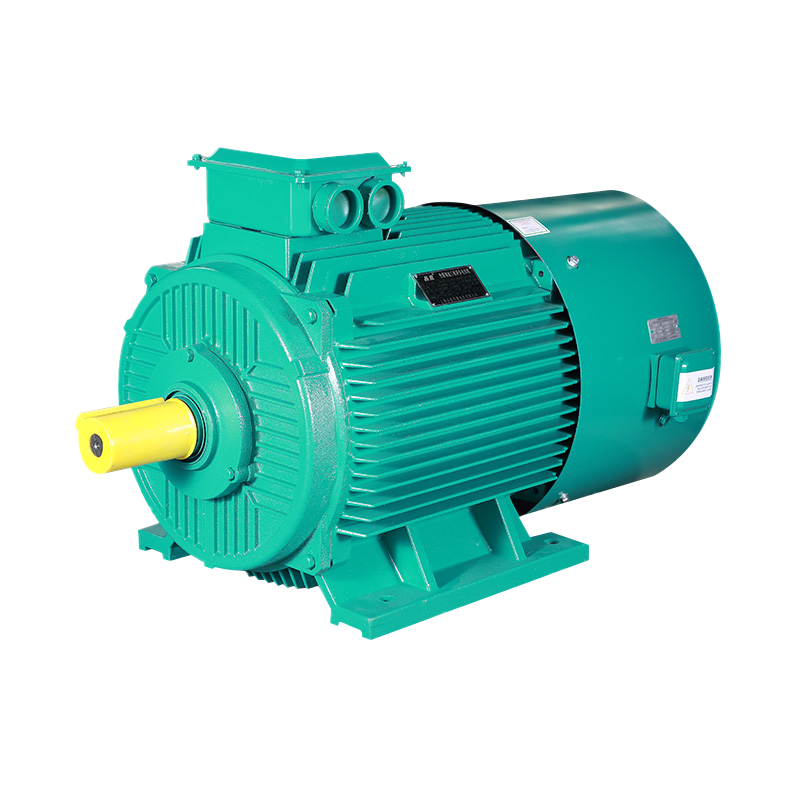
Three-phase wound rotor motors differ fundamentally from squirrel cage induction motors. The rotor contains actual windings connected to slip rings and external resistance. This design allows variable speed control and high starting torque, but it introduces additional failure points. The electrical system includes three distinct circuits: the stator winding, the rotor winding, and the external resistance network. Each circuit requires specific testing approaches.
Electrical anomalies typically manifest as one of four symptoms: excessive current draw, abnormal vibration, overheating, or failure to start. The diagnostic approach must isolate which circuit contains the fault. Maintenance teams often waste time by treating wound rotor motors like standard induction motors, overlooking the unique characteristics of the rotor circuit.
Systematic Diagnostic Workflow
Step One: Visual and Operational Assessment
Before applying test instruments, technicians should perform a thorough visual inspection. This step often reveals obvious issues that electrical testing might miss. The inspection should focus on the slip ring assembly, brush gear, and external connections.
Key visual indicators include:
- Brush wear patterns and spring tension consistency
- Slip ring surface condition and evidence of arcing
- Carbon dust accumulation around brush holders
- Loose terminal connections on the external resistor bank
- Discoloration indicating overheating on winding ends
Step Two: Electrical Isolation and Safety Verification
Safety procedures must precede any electrical testing. The motor requires complete isolation from the supply. Lockout and tagout procedures apply. After isolation, technicians should verify zero voltage using a calibrated multimeter at the motor terminals. The external resistance circuit must also be disconnected to isolate the rotor winding from external components.
Stator Winding Fault Localization
Insulation Resistance Testing
Stator winding insulation deterioration represents one of the most common failure modes in three-phase wound rotor motors. Insulation resistance testing using a megohmmeter provides the first diagnostic data point. The test applies a DC voltage, typically 500V or 1000V, depending on motor rating, between each phase and ground, and between phases.
Acceptable values depend on motor voltage and size, but a general rule requires readings above 5 megohms for motors under 1000V. Readings below 1 megohm indicate moisture or contamination requiring drying. Readings approaching zero indicate ground faults requiring winding repair.
Winding Resistance Comparison
Stator phase resistance measurements using a low-resistance ohmmeter reveal turn-to-turn shorts and connection issues. The three phases should show nearly identical resistance values. A deviation exceeding 2 percent between phases indicates a problem. The following table provides interpretation guidelines for resistance measurements.
| Measurement Pattern | Indication | Recommended Action |
|---|---|---|
| All three phasesare high and equal | Correct winding condition | Proceed to rotor circuit testing |
| One phase is significantly lower | Turn-to-turn short in that phase | Winding resistance test required for confirmation |
| One phase significantly higher | Open circuit or poor connection | Inspect connections; test for continuity |
| Unstable readings | Loose connections or contamination | Clean terminals; re-torque connections; retest |
Rotor Circuit Diagnostics
Slip Ring and Brush Assembly Inspection
The rotor circuit in three-phase wound rotor motors includes the rotor winding, slip rings, brushes, and external resistance. Poor brush contact accounts for approximately 40 percent of rotor circuit faults. Technicians should verify brush spring pressure, typically 1.5 to 2.5 kg per square centimeter, depending on brush grade. Uneven wear or chattering indicates mechanical issues with the slip ring surface.
Slip ring surface examination requires the motor to be rotated slowly. Concentric rings, grooves, or pitting indicate arcing damage. Slight discoloration is normal, but blueing indicates excessive temperature from sustained arcing. Surface roughness exceeding 0.8 micrometers Ra requires resurfacing.
Rotor Winding Continuity and Resistance
The rotor winding requires continuity testing between each slip ring. The three rotor phases should show equal resistance values. Open circuits indicate broken rotor bars or connection failures between the winding and slip rings. Short circuits between rotor phases indicate insulation failure within the rotor.
Fora wound rotor motor rotor winding continuity check, technicians should also test insulation resistance between the rotor winding and the rotor core. Values below 1 megohm suggest moisture or contamination. Values near zero indicate a ground fault requiring rotor removal for repair.
External Resistance Circuit Verification
Systematic Component Testing
The external resistance circuit includes resistors, contactors, and interconnecting cables. Each component requires individual testing. Resistor values should match the manufacturer's specification for each step position. Contactors require inspection for pitted contacts and proper operation. Cables should show no insulation damage and proper continuity.
The following table compares normal and abnormal findings during external circuit testing.
| Component | Normal Finding | Abnormal Finding | Likely Fault |
|---|---|---|---|
| Resistor banks | Consistent resistance across steps | Open circuit or shorted sections | Burnt resistor elements or moisture damage |
| Contactors | Clean contacts; proper sequencing | Pitted or welded contacts | Arcing from incorrect timing or overload |
| Interconnecting cables | Continuity; good insulation | High resistance or insulation failure | Loose connections or mechanical damage |
No-Load Testing for Final Verification
Controlled Start-Up Procedures
After completing all electrical tests, a controlled no-load start provides final confirmation. The rotor circuit should include all external resistance steps. Technicians monitor current on all three stator phases during acceleration. Balanced currents and smooth acceleration indicate successful repair. Any unusual noise, vibration, or current imbalance requires returning to the diagnostic process.
For three phase wound rotor motor, no load test procedure, the rotor should be allowed to reach full speed with all external resistance shorted. Current readings at no load typically range from 25 to 40 percent of full load current. Higher readings indicate magnetic circuit issues or remaining winding problems.
FAQ
What causes brush sparking in wound rotor motors?
Brush sparking inthree-phasee wound rotor motors typically results from one of three root causes. First, mechanical issues include uneven slip rings, incorrect brush pressure, or improper brush grade selection. Second, electrical issues include open circuits in the rotor winding or external resistance circuit that force current to find alternate paths. Third, environmental factors include carbon dust accumulation that creates tracking paths between phases. Troubleshooting should begin with slip ring surface inspection and brush pressure verification before moving to electrical testing.
How do you perform an insulation resistance test on a wound rotor motor?
Insulation resistance testing for three-phase wound rotor motors requires separate tests for stator and rotor circuits. For the stator, disconnect all leads, short each phase together, and test between phases and ground using a megohmmeter at 500V or 1000V. For the rotor, disconnect the external resistance, short the three slip rings together, and test between the shorted rings and the rotor shaft. The rotor must be stationary during testing. Readings should be temperature-corrected using manufacturer tables. Minimum acceptable values vary by motor voltage but generally exceed 5 megohms for low-voltage motors.
What is the difference between squirrel cage and wound rotor motor testing?
Squirrel cage motors have only stator windings to test, while three-phase wound rotor motors require testing of both stator and rotor circuits. Squirrel cage rotor testing is limited to visual inspection and air gap checks. Wound rotor motors require rotor winding continuity, resistance balance, and insulation resistance testing. Additionally, wound rotor motors need slip ring and brush inspection, plus verification of the external resistance circuit. This complexity makes wound rotor motor diagnostics more time-consuming but also provides more opportunities for preventive maintenance interventions before catastrophic failure occurs.
References
- IEEE Standard 43-2013. (2013). IEEE Recommended Practice for Testing Insulation Resistance of Electric Machinery. IEEE, New York, NY.
- NEMA MG-1-2021. (2021). Motors and Generators. National Electrical Manufacturers Association, Rosslyn, VA.
- Electrical Apparatus Service Association. (2019). EASA Technical Manual. EASA, St. Louis, MO.
- Chapman, S. J. (2020). Electric Machinery Fundamentals. McGraw-Hill Education, New York, NY.
- IEEE Standard 112-2019. (2019). IEEE Standard Test Procedure for Polyphase Induction Motors and Generators. IEEE, New York, NY.

Get in Touch
Related Products
 Shanghai Pinxing
Explosion-proof Motor Co., Ltd.
-
 cai@pinxingmotor.com
-
 +86-21-57566731
-
 +86-21-57566967
-
 No.699, Pinxing Rd., Qinggang Industrial Zone, Fengxian District, Shanghai, China.(East Gate)
-
No. 168, Qingling Rd, Qinggang Industrial Zone, Qingcun Town, Fengxian District, Shanghai, China (South Gate)
Copyright@ 2024 Shanghai Pinxing Explosion-proof Motor Co., Ltd. All Rights Reserved.
Privacy