- 中文网站请点击 http://www.pinxinggroup.com
-
 +86-21-57566731
-
 cai@pinxingmotor.com
-
 DOWNLOAD


 English
 русский
 Français
 عربى
عربى
Why Choose High-Voltage Synchronous Motors?
Content
- 1 Unveiling the Efficiency and Performance of High-Voltage Synchronous Motors
- 2 Key Applications and Industrial Solutions
- 3 About Shanghai Pinxing Explosion-proof Motor Co., Ltd
- 4 FAQ
- 4.1 What are the main advantages of using a High-Voltage Synchronous Motor?
- 4.2 How does the efficiency of a High Voltage Synchronous Motor compare to other motors?
- 4.3 When should I choose a synchronous motor over an induction motor?
- 4.4 What is the function of the High Voltage Excitation System?
- 4.5 What are typical Large Synchronous Motor Applications?
Unveiling the Efficiency and Performance of High-Voltage Synchronous Motors
In the rapidly evolving landscape of industrial power generation and consumption, the demand for energy-efficient and reliable machinery has never been more critical. As industries worldwide strive to reduce operational costs and minimize their carbon footprint, the choice of electric motor plays a pivotal role in achieving these sustainability goals. Among the array of options available, High-voltage synchronous motors have emerged as a superior solution for heavy-duty applications requiring constant speed operation and high efficiency at large loads. Unlike their asynchronous counterparts, these motors operate at a speed that is strictly synchronized with the frequency of the supply current, providing exceptional stability and precision. This characteristic makes them indispensable in driving large compressors, pumps, and fans where process stability is paramount. Furthermore, the ability of synchronous motors to operate at a unity or leading power factor allows them to correct the power factor of the plant, thereby eliminating the need for separate capacitor banks and reducing utility penalties. This dual functionality of providing mechanical power while improving electrical system efficiency positions high-voltage synchronous motors as a cornerstone of modern industrial infrastructure.
- Exceptional speed stability synchronized with supply frequency.
- Ability to operate at unity or leading power factor for system correction.
- High efficiency ratings even under partial load conditions.
- Robust construction suitable for harsh industrial environments.
- Cost-effective operation over the motor's lifecycle despite higher initial cost.
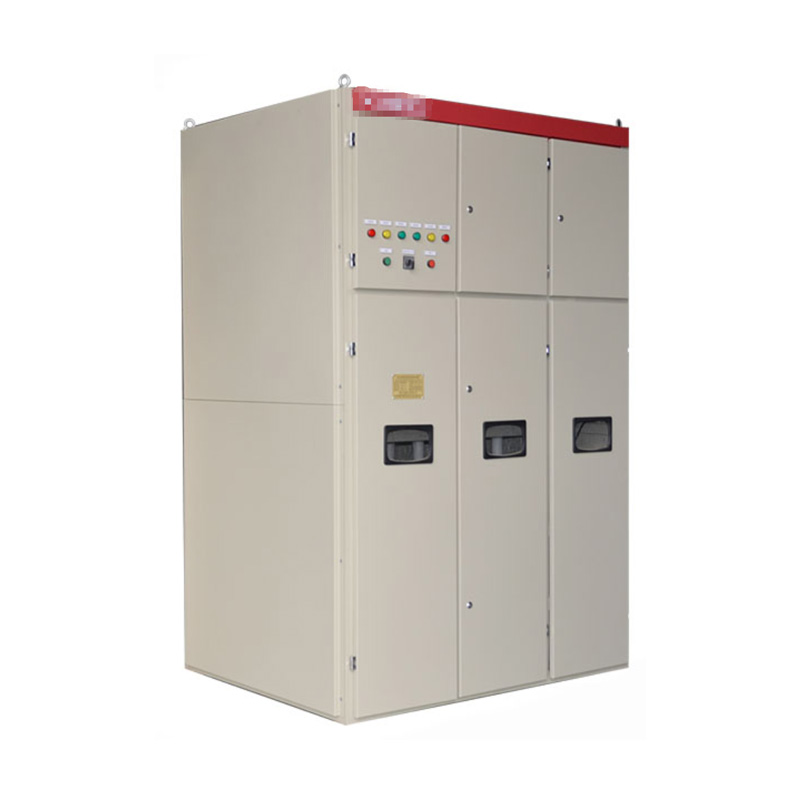
Understanding High Voltage Synchronous Motor Efficiency
Efficiency is the primary driver behind the adoption of large electrical machines, and high voltage synchronous motor efficiency is a standout feature that separates them from other motor types. These motors are designed with meticulous attention to minimizing losses, which include copper losses in the windings, iron losses in the core, and friction and windage losses. By utilizing high-voltage power supply, typically ranging from 3.3kV to 13.8kV, the current drawn is significantly lower compared to low-voltage motors of the same power rating. This reduction in current leads to a dramatic decrease in I²R losses (copper losses), thereby improving overall thermal performance and efficiency. Additionally, advanced design techniques such as optimized slot geometries and high-grade silicon steel laminations are employed to reduce hysteresis and eddy current losses. For industries operating motors continuously, such as mining or petrochemicals, a marginal gain in efficiency translates into massive annual energy savings, making the investment in high-voltage synchronous technology economically prudent.
- Reduced I²R losses due to lower operating currents.
- Optimization of electromagnetic design to minimize core losses.
- Superior efficiency maintained across a wide load range.
- Lower operating temperatures extending insulation life.
- Significant reduction in energy consumption and carbon emissions.
How Synchronous vs Induction Motor High Voltage Performance Compares
When selecting a motor for a high-power application, engineers often debate the merits of synchronous vs induction motor high voltage performance. While induction motors are known for their ruggedness and simplicity, synchronous motors offer distinct advantages in specific high-power scenarios. Induction motors rely on slip to generate torque, meaning their speed drops slightly as the load increases, and they draw reactive power from the grid, resulting in a lagging power factor. In contrast, synchronous motors maintain constant speed regardless of load variations and can be adjusted to supply reactive power to the grid. The following table illustrates the key differences that influence the decision-making process for industrial planners.
| Feature | High Voltage Synchronous Motor | High Voltage Induction Motor |
| Speed Regulation | Constant (Synchronous with frequency) | Variable (Slip dependent on load) |
| Power Factor | Unity or Leading (Corrects PF) | Lagging (Consumes reactive power) |
| Starting Torque | Complex starting methods required | High starting torque (DOL/Soft start) |
| Efficiency | Generally higher at full load | High, but lower than synchronous at large ratings |
| Initial Cost | Higher (Requires excitation system) | Lower (Simpler construction) |
Critical Components: The High Voltage Excitation System
A defining characteristic of the synchronous motor is its requirement for an external DC power source to create the magnetic field on the rotor. The high voltage excitation system is this critical component, responsible for supplying direct current to the rotor windings. In the past, this was often achieved using slip rings and carbon brushes, which required regular maintenance due to wear and dust accumulation. However, modern advancements have introduced brushless excitation systems, which utilize a rotating rectifier assembly mounted on the rotor shaft. This design significantly reduces maintenance requirements and enhances reliability, making it ideal for hazardous or hard-to-reach locations. The performance of the exciter system directly influences the motor's stability; a well-designed excitation control system ensures that the motor remains synchronized even during transient voltage disturbances, preventing costly outages and protecting the driven equipment from damage.
- Essential for establishing the rotor's magnetic field.
- Available in static (brushed) and brushless configurations.
- Brushless types reduce maintenance and increase operational safety.
- Advanced control systems ensure stability during grid fluctuations.
- Enables precise control of power factor.
Key Applications and Industrial Solutions
The versatility and robustness of synchronous motors make them suitable for a wide spectrum of industrial applications. Large synchronous motor applications are predominantly found in sectors that require continuous operation of heavy machinery with high inertia loads. These motors are the workhorses of the industry, capable of driving equipment that demands immense starting torque and steady running speeds. From the extraction of raw materials to the refinement of chemicals, these motors ensure that critical processes run uninterrupted. Their ability to compensate for reactive power also makes them valuable in extensive power networks where they stabilize the voltage profile for other connected equipment. As industries expand and modernize, the demand for reliable, high-power motors that can operate efficiently under rigorous conditions continues to grow, cementing the role of synchronous technology in industrial progress.
- Driving large centrifugal compressors in the oil and gas sector.
- Powering boiler feed pumps in thermal power plants.
- Operating ball mills and SAG mills in the mining industry.
- Running large capacity blowers and fans in steel plants.
- Providing propulsion for shipbuilding and marine applications.
Ensuring Safety and Reliability with Specialized Designs
In many industrial environments, safety is a non-negotiable priority. When motors are deployed in hazardous areas containing flammable gases, dust, or fibers, standard motor designs pose significant risks. This necessitates the use of explosion-proof motors, which are engineered to prevent internal ignition from escaping the enclosure and withstanding external explosions without rupturing. The integration of synchronous technology with explosion-proof enclosures results in a motor that delivers both high performance and absolute safety. These specialized motors undergo rigorous testing to ensure they meet international safety standards. They feature robust enclosures, specialized cooling systems, and precise sealing to keep hazardous elements out of the motor's internal workings, thereby ensuring long-term reliability even in the most challenging conditions.
- Flameproof enclosures to contain internal explosions.
- Increased safety (Ex 'e') protection preventing ignition sources.
- Dedicated cooling systems to handle hazardous atmospheres.
- Rigorous quality testing to withstand extreme environments.
- Compliance with international explosion protection standards.
About Shanghai Pinxing Explosion-proof Motor Co., Ltd
A Leading AAA Manufacturer of Electrical Equipment in China
Shanghai Pinxing Explosion-proof Motor Co., Ltd. is a high-tech enterprise specializing in the design, research and development, manufacturing, and service of motors and motor control products. Shanghai Pinxing is a AAA manufacturer of electrical equipment in China, specializing in the production of more than 1000 varieties of large and medium-sized high-voltage flameproof and increased safety explosion-proof motors, large and medium-sized high-voltage AC motors (including asynchronous, synchronous, frequency conversion and wound rotor motors), various types of small & medium-sized low-voltage explosion-proof motors, AC motors and so on. With a steadfast commitment to quality and innovation, the company leverages advanced manufacturing technologies to produce motors that meet the rigorous demands of modern industry. The extensive product range ensures that whether a client needs a standard motor for a factory floor or a specialized explosion-proof synchronous motor for a hazardous zone, Pinxing has the expertise and capacity to deliver superior solutions tailored to specific operational requirements.
- AAA grade manufacturer with extensive industry recognition.
- Production of over 1000 varieties of motor types.
- Expertise in explosion-proof and high-voltage motor technologies.
- Comprehensive capabilities in R&D and motor control systems.
Global Reach and Industry Versatility
Our products are exported to more than 40 countries and regions at home and abroad which are widely used in the fields of coal mining, metallurgy, cement, paper making, environmental protection, petroleum, chemical, textile, road traffic, water conservancy, power, shipbuilding and other factories and enterprises. This global footprint is a testament to the reliability and versatility of the motors produced. By understanding the unique challenges of different sectors—from the dust-laden environments of coal mining to the corrosive atmospheres of chemical processing—the company provides targeted solutions that enhance productivity and safety. The ability to serve such a diverse array of industries highlights the adaptability of the product lines and the technical prowess of the engineering team, ensuring that customers receive a product that is perfectly suited to their specific industrial application.
| Industry Sector | Typical Motor Usage | Benefit |
| Coal Mining | Flameproof motors for conveyors and pumps | Safety in hazardous gas environments |
| Metallurgy | High-voltage motors for rolling mills | High torque and reliability |
| Petroleum & Chemical | Explosion-proof synchronous motors | Efficiency and spark-free operation |
| Water Conservancy | Large AC motors for pumps | Continuous operation capability |
| Shipbuilding | Propulsion and auxiliary motors | Durability in marine conditions |
Vision for Energy Conservation and Internationalization
We are moving towards energy conservation, efficiency, environmental protection, integrated automation and internationalization. Shanghai Pinxing Explosion-proof Motor Co., Ltd aims to provide good motor products and motor technology solutions for global industrial enterprises and various fields, and make "Pinxing" motor become the motor technology solution provider and motor manufacturer in the global motor industry. This vision drives the company to continuously innovate, adopting new technologies that reduce energy consumption and environmental impact. By integrating automation and smart technologies into motor systems, the company helps clients transition towards Industry 4.0, optimizing their operations for the future. The commitment to internationalization ensures that Pinxing remains at the forefront of global standards, bringing world-class motor technology to clients around the world.
- Focus on energy conservation and environmental sustainability.
- Development of integrated automation solutions.
- Expansion of global footprint and market presence.
- Dedication to becoming a leading global technology provider.
FAQ
What are the main advantages of using a High-Voltage Synchronous Motor?
The primary advantages of High-voltage synchronous motors include their ability to operate at a constant speed regardless of the load, their high efficiency ratings, and their capacity to improve power factor. Unlike induction motors, they can operate at a unity or leading power factor, which can correct the power factor for an entire facility and reduce electrical costs. They are also highly robust and suitable for driving heavy, continuous loads in industrial environments.
How does the efficiency of a High Voltage Synchronous Motor compare to other motors?
Generally, high voltage synchronous motor efficiency is superior to that of induction motors, particularly in large power ratings (above several hundred horsepower). Because they do not rely on slip to generate torque and often utilize advanced cooling and winding techniques, they experience lower losses. Over time, the energy savings generated by this higher efficiency can offset the higher initial purchase price of the motor.
When should I choose a synchronous motor over an induction motor?
When considering synchronous vs induction motor high voltage applications, the choice often depends on the specific needs of the application. You should choose a synchronous motor if you need to maintain a constant speed, if you need to correct the power factor of your electrical system, or if you are operating a very large machine (above 1,000 HP) where efficiency is critical. Induction motors are often preferred for smaller applications or where simplicity and lower initial cost are priorities.
What is the function of the High Voltage Excitation System?
The high voltage excitation system supplies DC current to the rotor windings of a synchronous motor to create the magnetic field required for rotation. This system is crucial because it controls the magnetic field strength, which in turn determines the motor's power factor and torque characteristics. Modern brushless excitation systems are preferred for their low maintenance requirements and enhanced reliability in industrial settings.
What are typical Large Synchronous Motor Applications?
Large synchronous motor applications are typically found in heavy industries. Common uses include driving large reciprocating and centrifugal compressors in the oil and gas industry, operating large fans and blowers in power plants and steel mills, powering crushers and grinding mills in mining operations, and driving large pumps in water treatment plants and irrigation systems.

Get in Touch
Related Products
 Shanghai Pinxing
Explosion-proof Motor Co., Ltd.
-
 cai@pinxingmotor.com
-
 +86-21-57566731
-
 +86-21-57566967
-
 No.699, Pinxing Rd., Qinggang Industrial Zone, Fengxian District, Shanghai, China.(East Gate)
-
No. 168, Qingling Rd, Qinggang Industrial Zone, Qingcun Town, Fengxian District, Shanghai, China (South Gate)
Copyright@ 2024 Shanghai Pinxing Explosion-proof Motor Co., Ltd. All Rights Reserved.
Privacy