- 中文网站请点击 http://www.pinxinggroup.com
-
 +86-21-57566731
-
 cai@pinxingmotor.com
-
 DOWNLOAD


 English
 русский
 Français
 عربى
عربى
How Does a Three Phase Wound Rotor Motor Work?
Content
- 1 Introduction to Wound Rotor Induction Motors
- 2 Three Phase Wound Rotor Motor Working Principle
- 3 Wound Rotor Motor Construction and Maintenance
- 4 Wound Rotor Induction Motor Speed Control Methods
- 5 Advantages of Wound Rotor Motor Over Squirrel Cage
- 6 Three Phase Wound Rotor Motor Applications
- 7 Professional Manufacturing by Shanghai Pinxing
- 8 Conclusion: Choosing the Right Motor for Your Needs
- 9 Frequently Asked Questions (FAQ)
- 9.1 1. Why do wound rotor motors have slip rings?
- 9.2 2. Can a wound rotor motor run without external resistance?
- 9.3 3. What happens if the brushes in a wound rotor motor wear out?
- 9.4 4. Is speed control with external resistance energy efficient?
- 9.5 5. Are wound rotor motors suitable for explosive environments?
- 10 References
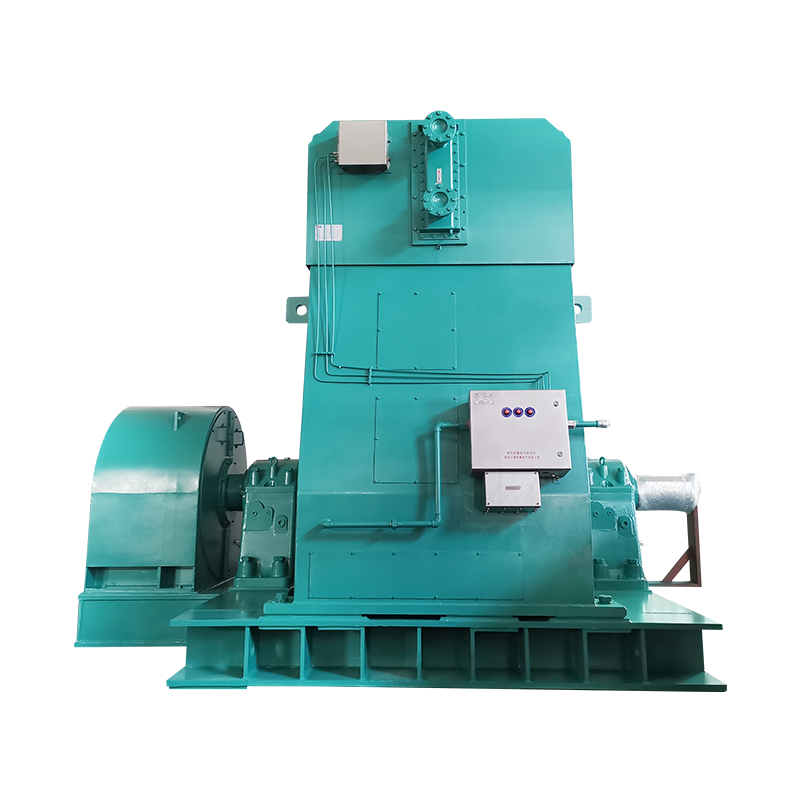
In the landscape of industrial electric machinery, the THREE PHASE WOUND ROTOR MOTORS occupies a critical niche, particularly in applications demanding high starting torque and smooth speed control. Unlike its counterpart, the squirrel cage induction motor, the wound rotor motor—also known as a slip-ring motor—features a rotor construction that allows for external resistance connection. This unique characteristic makes it an indispensable asset in heavy-duty industries where starting conditions are arduous and power supply limitations are a concern. This technical guide delves into the engineering principles, construction details, and operational advantages of these robust machines.
Introduction to Wound Rotor Induction Motors
The wound rotor induction motor is a variant of the induction motor family, distinguished by its rotor winding configuration. While the stator resembles that of a standard induction motor carrying a three-phase winding connected to the power supply, the rotor comprises windings similar to the stator. These windings are connected to slip rings mounted on the rotor shaft, which in turn connect to external stationary circuits via brushes. This design provides engineers with the flexibility to manipulate rotor circuit characteristics, thereby optimizing the motor's torque-speed curve for specific industrial processes.
Three Phase Wound Rotor Motor Working Principle
The three phase wound rotor motor working principle is grounded in electromagnetic induction, similar to other induction motors, but with a distinct advantage in rotor circuit control. When a three-phase supply is applied to the stator windings, it generates a rotating magnetic field (RMF) that cuts across the rotor windings. This relative motion induces an electromotive force (EMF) in the rotor windings.
Because the rotor windings are short-circuited through external resistance (during startup) or directly (during running), the induced EMF drives a current through the rotor. The interaction between this rotor current and the stator's magnetic field produces a mechanical torque, causing the rotor to rotate. The key difference here lies in the ability to control the rotor current via external resistance, allowing for a reduction in starting current and an increase in starting torque—a feature unattainable in standard squirrel cage motors.
The Role of External Resistance in Rotor Circuits
The primary operational advantage of the wound rotor design is the ability to insert external resistance into the rotor circuit via the slip rings.
- Starting Phase: Adding external resistance increases the total rotor circuit resistance. This increases the starting torque while significantly reducing the starting current drawn from the supply, preventing voltage dips in the power grid.
- Speed Control Phase: By varying the external resistance, the speed of the motor can be regulated below its synchronous speed. This is particularly useful for applications requiring variable speed drives (VSD) capabilities before modern electronic VSDs became ubiquitous.
- Running Phase: Once the motor reaches a specific speed, the external resistance can be shorted out (removed), allowing the motor to run like a standard induction motor with high efficiency.
Wound Rotor Motor Construction and Maintenance
Understanding wound rotor motor construction and maintenance is vital for ensuring operational longevity and reliability. The construction is inherently more complex than that of squirrel cage motors, necessitating a higher level of maintenance expertise.
Key Components: Stator, Rotor, and Slip Rings
The motor consists of two primary electrical parts: the stator and the rotor.
- Stator: Similar to other induction motors, the stator has a three-phase winding housed in slots on the laminated iron core. It is designed to handle high voltage inputs.
- Rotor: The rotor core is laminated and contains a three-phase winding, typically wound for the same number of poles as the stator. The windings are usually connected in a star (Y) configuration internally.
- Slip Rings and Brushes: The three terminals of the rotor winding are brought out to three slip rings mounted on the shaft. Carbon brushes ride on these rings, providing a sliding electrical contact to the external stationary circuit. This is the most critical maintenance point in the system.
Essential Maintenance Tips for Slip Rings and Brushes
The presence of slip rings and brushes introduces mechanical wear into the electrical system, making regular maintenance mandatory.
- Brush Inspection: Regularly check the wear length of carbon brushes. Worn brushes can cause sparking and damage to the slip rings.
- Slip Ring Surface: Ensure the surface of the slip rings is smooth and free from pitting or oxidation. Rough surfaces accelerate brush wear and increase contact resistance.
- Lubrication: Bearings must be lubricated according to the manufacturer's schedule, but care must be taken to prevent grease from contaminating the slip rings or windings.
Wound Rotor Induction Motor Speed Control Methods
One of the defining characteristics of this motor type is its inherent speed control capability. Wound rotor induction motor speed control methods primarily involve manipulating the rotor circuit.
Rotor Resistance Control vs. Cascade Control
The most common method is rotor resistance control, where external resistors are varied to change the motor speed. However, this method has efficiency implications compared to cascade control (Kramer or Scherbius systems). When comparing these methods, we see distinct differences in efficiency and application scope.
The following table compares these two speed control methodologies:
| Feature | Rotor Resistance Control | Cascade Control (Kramer/Scherbius) |
| Principle | Dissipates power as heat in external resistors | Feeds back slip power to the supply or shaft |
| Efficiency | Low efficiency, especially at low speeds | High efficiency due to energy recovery |
| Speed Range | Wide range below synchronous speed | Sub-synchronous or super-synchronous ranges |
| Cost | Lower initial cost, simple construction | Higher initial cost due to complex electronics (converters) |
| Application | Crane hoists, pumps, short-duration speed control | Large fans, pumps, continuous process industries |
Advantages of Wound Rotor Motor Over Squirrel Cage
When selecting a motor for heavy industrial loads, engineers often evaluate the advantages of wound rotor motor over squirrel cage designs. While squirrel cage motors are rugged and maintenance-free, they draw high starting currents (6 to 8 times rated current) and offer lower starting torque. The wound rotor motor bridges this gap.
High Starting Torque and Low Starting Current
The most significant advantage of the wound rotor motor is its ability to provide high starting torque while drawing a low starting current. By inserting resistance into the rotor circuit, the power factor of the rotor current is improved, and the torque production is maximized at the moment of starting.
The comparison below highlights the distinct performance differences between the two motor types:
| Parameter | Wound Rotor Motor | Squirrel Cage Motor |
| Starting Current | Low (2.5 to 3.5 times rated current) | High (6 to 8 times rated current) |
| Starting Torque | Very High (up to 300% of rated torque) | Low to Medium (100-200% of rated torque) |
| Speed Control | Possible via rotor resistance | Requires external VFD for speed control |
| Maintenance | Higher (brushes and slip rings wear) | Very Low (robust construction) |
| Construction Cost | Higher due to complex rotor and slip rings | Lower and simpler to manufacture |
Three Phase Wound Rotor Motor Applications
Due to their unique torque and current characteristics, three phase wound rotor motor applications are concentrated in industries involving heavy inertia loads and difficult starting conditions.
Heavy-Duty Industries: Cement, Metallurgy, and Mining
These motors are the preferred choice in sectors where reliability and torque are non-negotiable.
- Ball Mills and Cement Kilns: In the cement industry, massive mills require high torque to initiate rotation from a standstill. Wound rotor motors provide the necessary "breakaway" torque.
- Crushers and Grinders: Mining equipment often faces shock loads. The speed control feature allows operators to adjust speed based on ore hardness.
- Cranes and Hoists: Precise speed control and high starting torque make these motors ideal for lifting heavy loads safely and positioning them accurately.
- Fans and Blowers: Large industrial fans utilize these motors to start without overloading the grid and to control airflow through speed adjustment.
Professional Manufacturing by Shanghai Pinxing
The engineering of THREE PHASE WOUND ROTOR MOTORS demands precision, advanced manufacturing capabilities, and a deep understanding of industrial environments. Shanghai Pinxing Explosion-proof Motor Co., Ltd. stands as a premier entity in this domain. As a high-tech enterprise specializing in the design, R&D, manufacturing, and service of motors and motor control products, Shanghai Pinxing has established itself as a leader in the global market.
About Shanghai Pinxing Explosion-proof Motor Co., Ltd.
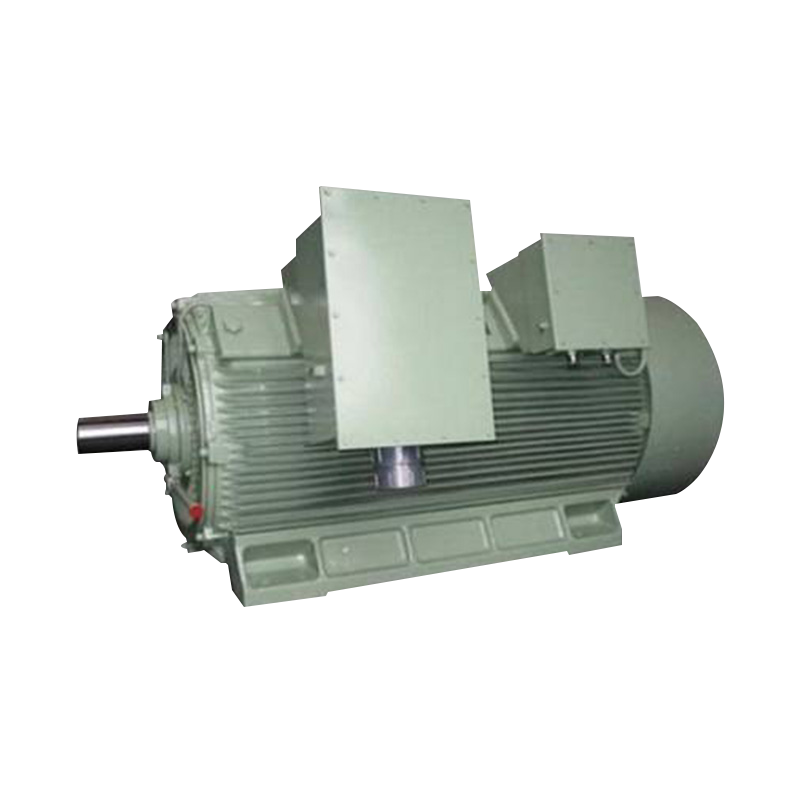
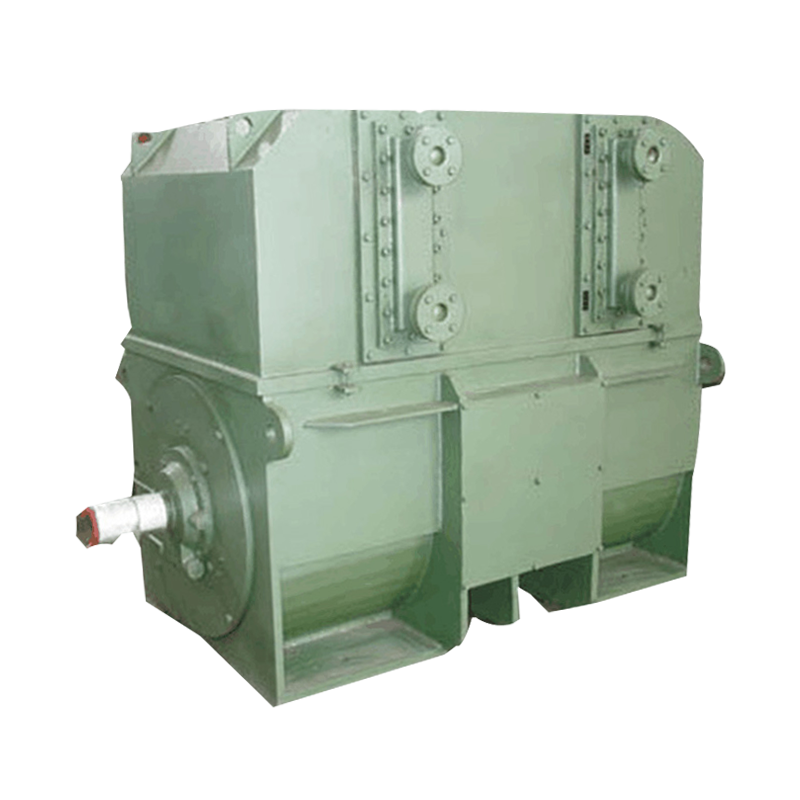
Shanghai Pinxing is a AAA manufacturer of electrical equipment in China. The company specializes in producing over 1000 varieties of motors, including large and medium-sized high-voltage flameproof and increased safety explosion-proof motors. Their portfolio encompasses large and medium-sized high-voltage AC motors, including asynchronous, synchronous, frequency conversion, and wound rotor motors. Additionally, they produce various types of small and medium-sized low-voltage explosion-proof motors.
Their products are exported to more than 40 countries and regions, serving critical sectors such as coal mining, metallurgy, cement, paper making, environmental protection, petroleum, chemical, textile, road traffic, water conservancy, power, and shipbuilding. This extensive global footprint underscores their capability to meet diverse and rigorous industrial standards.
Moving Towards Energy Efficiency and Globalization
Shanghai Pinxing is moving towards energy conservation, efficiency, environmental protection, integrated automation, and internationalization. The company aims to provide superior motor products and motor technology solutions for global industrial enterprises. By making "Pinxing" a recognized name in the industry, they strive to be the motor technology solution provider and manufacturer of choice in the global motor industry, driving the future of industrial automation and sustainability.
Conclusion: Choosing the Right Motor for Your Needs
Selecting between a squirrel cage and a wound rotor motor depends on the specific requirements of the load and the power supply infrastructure. For applications demanding high starting torque, low inrush current, and inherent speed control capabilities, the THREE PHASE WOUND ROTOR MOTORS remains the engineering choice. While they require more maintenance than squirrel cage motors, their operational benefits in heavy-duty scenarios provide unmatched value. Partnering with experienced manufacturers like Shanghai Pinxing ensures access to reliable, high-quality motor solutions tailored for the most demanding industrial environments.
Frequently Asked Questions (FAQ)
1. Why do wound rotor motors have slip rings?
Slip rings are used to provide a connection between the rotating rotor windings and the stationary external circuit. This connection allows for the addition of external resistance, which is necessary for controlling the motor's starting torque and speed.
2. Can a wound rotor motor run without external resistance?
Yes, a wound rotor motor can run without external resistance. Once the motor starts and reaches its operating speed, the slip rings are typically short-circuited to remove the external resistance, allowing the motor to operate efficiently like a standard induction motor.
3. What happens if the brushes in a wound rotor motor wear out?
If the brushes wear out excessively, the electrical contact with the slip rings becomes poor. This can lead to sparking, increased heat, intermittent power delivery to the rotor circuit, and eventually motor failure. Regular inspection and replacement are essential.
4. Is speed control with external resistance energy efficient?
No, speed control using external resistance is not very energy efficient. The method dissipates slip energy as heat through the resistors. For higher efficiency, modern applications often use cascade control systems or frequency converters that recover energy.
5. Are wound rotor motors suitable for explosive environments?
Yes, but they must be specifically designed as explosion-proof motors. Manufacturers like Shanghai Pinxing produce increased safety or flameproof versions of wound rotor motors that are certified for use in hazardous locations like coal mines and petrochemical plants.
References
- IEEE Standard 112: IEEE Standard Test Procedure for Polyphase Induction Motors and Generators.
- Chapman, S. J. (2012). Electric Machinery Fundamentals. McGraw-Hill Education.
- International Electrotechnical Commission (IEC) 60034 Series: Rotating Electrical Machines.
- Shanghai Pinxing Explosion-proof Motor Co., Ltd. Technical Catalog and Product Specifications.

Get in Touch
Related Products
 Shanghai Pinxing
Explosion-proof Motor Co., Ltd.
-
 cai@pinxingmotor.com
-
 +86-21-57566731
-
 +86-21-57566967
-
 No.699, Pinxing Rd., Qinggang Industrial Zone, Fengxian District, Shanghai, China.(East Gate)
-
No. 168, Qingling Rd, Qinggang Industrial Zone, Qingcun Town, Fengxian District, Shanghai, China (South Gate)
Copyright@ 2024 Shanghai Pinxing Explosion-proof Motor Co., Ltd. All Rights Reserved.
Privacy