- 中文网站请点击 http://www.pinxinggroup.com
-
 +86-21-57566731
-
 cai@pinxingmotor.com
-
 DOWNLOAD


 English
 русский
 Français
 عربى
عربى
How to Choose the Right low-voltage variable frequency motor for Your Industrial Application?
Content
- 1 Understanding the Basics: What is a low-voltage variable frequency motor?
- 2 low-voltage variable frequency motor vs Standard Motor: Which Do You Need?
- 3 Step 1: Defining Your Application Requirements
- 4 Step 2: Assessing Energy Efficiency and ROI
- 5 Step 3: Reliability and Maintenance Insights
- 6 Conclusion: Making the Final Investment Decision
- 7 Frequently Asked Questions (FAQ)
- 7.1 1. Can I use a standard induction motor with a Variable Frequency Drive?
- 7.2 2. What are the main benefits of using an IE4 Super Premium Efficiency motor?
- 7.3 3. How do I determine the correct enclosure type (IP rating) for my motor?
- 7.4 4. Why do I need a reactor or filter when installing a VFD motor?
- 7.5 5. What is the typical payback period for upgrading to a high-efficiency variable frequency motor?
Selecting the correct motor is a critical decision that impacts the efficiency, reliability, and longevity of your entire industrial system. As an expert manufacturer specializing in high-performance electric motors, we understand that the market demands precision. With increasing energy costs and the push for automation, the low-voltage variable frequency motor has become the cornerstone of modern industrial drive systems. However, navigating the technical specifications to match your specific application requirements can be complex.
When integrating these motors into your facility, it is essential to look beyond just the horsepower rating. You must consider insulation classes, bearing capabilities, and cooling methods, especially when operating under variable frequency drives (VFDs). This guide is designed to assist B2B procurement managers, engineers, and wholesale distributors in making informed, technically sound decisions that maximize ROI and operational uptime.
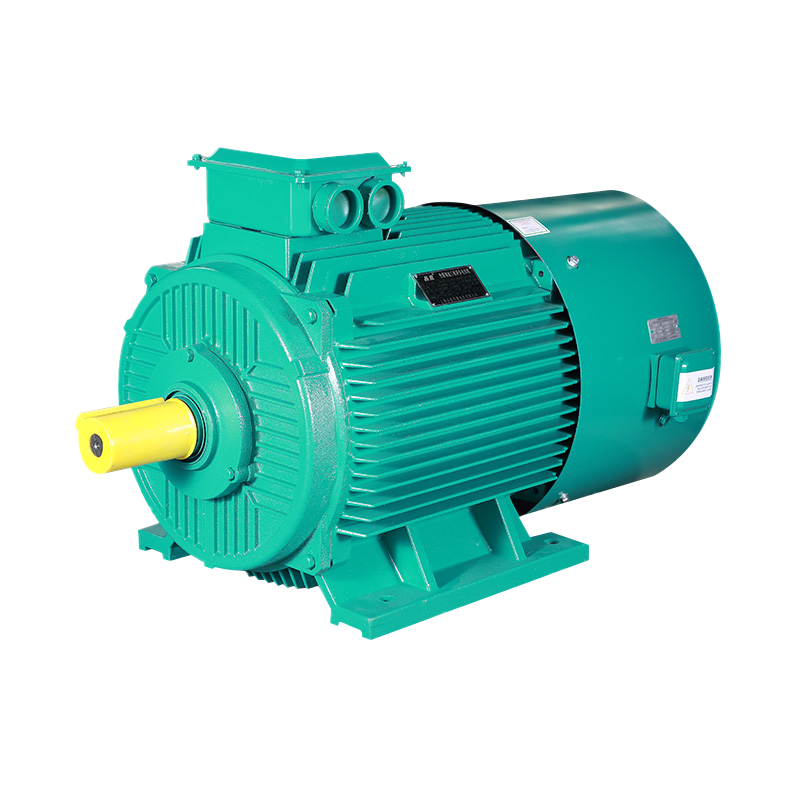
Understanding the Basics: What is a low-voltage variable frequency motor?
Before diving into selection criteria, it is crucial to define what we are dealing with. In industrial contexts, a low-voltage variable frequency motor typically refers to a motor designed to operate at voltages under 1000V (commonly 380V, 400V, 460V, or 690V) and is specifically engineered to handle the electrical stresses produced by a Variable Frequency Drive.
Defining "Low-Voltage" in Industrial Contexts
While "low voltage" can have different meanings in consumer electronics, in the industrial sector, it generally encompasses the range of 50V to 1000V AC. These motors are the workhorses of manufacturing plants, conveyor systems, and pumping stations. They offer the perfect balance between power density and safety, making them ideal for general-purpose applications where high-voltage infrastructure is unnecessary or cost-prohibitive.
How Variable Frequency Technology Works
Unlike standard induction motors that run directly on the AC mains supply at a fixed speed, a variable frequency motor receives power that has been modulated by a drive. The VFD converts the incoming fixed frequency and voltage into a variable frequency and voltage. This allows the motor to speed up or slow down precisely to match the mechanical load of the application, resulting in significant energy savings and process control.
low-voltage variable frequency motor vs Standard Motor: Which Do You Need?
One of the most frequent questions we encounter from procurement officers is whether a standard motor can be used with a VFD to save costs. While a standard motor might run on a drive for a short period, using a dedicated low-voltage variable frequency motor is technically superior for long-term reliability. The differences lie in the ability to handle electrical spikes, heat dissipation, and shaft voltages.
Standard motors are designed for a clean sine wave power source. When a VFD is introduced, it simulates a Pulse Width Modulation (PWM) wave, which creates voltage spikes that can degrade standard insulation over time.
Key Design Differences (Insulation and Cooling)
A dedicated low-voltage variable frequency motor utilizes "Inverter Duty" ratings. This means the magnet wire is coated with higher-grade insulation (often Corona Discharge Resistant) to withstand the sharp voltage spikes from the drive. Additionally, the cooling system is optimized. Since a standard motor's cooling fan is mounted directly on the shaft, it slows down as the motor slows down, leading to overheating at low speeds. Inverter duty motors often have separate constant-speed cooling fans to ensure adequate airflow regardless of motor speed.
Performance Comparison: Torque and Speed Control
When analyzing low-voltage variable frequency motor vs standard motor, performance under variable loads is the deciding factor. Variable frequency motors maintain a constant torque ratio across a wide speed range (often up to 1000:1 with vector control). Standard motors typically lose torque rapidly below 20-30% of rated speed and may experience cogging or instability.
Comparison: Standard Motor vs. Variable Frequency Motor
| Feature | Standard Motor | Variable Frequency Motor |
| Insulation System | Standard Class F (may fail under PWM spikes) | Class F/H with Corona resistant wire (IGBT resistant) |
| Cooling Method | Shaft-mounted fan (airflow drops with speed) | Separate constant speed blower (independent cooling) |
| Speed Range | Limited (typically 2:1 or 4:1 via VFD) | Wide (Constant torque down to zero speed) |
| Bearing Protection | Standard insulation, susceptible to shaft currents | Insulated bearings or shaft grounding rings fitted |
Source: NEMA Standards Publication MG 1 Part 31
When to Stick with a Standard Motor
If your application requires running at a fixed speed 100% of the time and is connected directly to the mains (on-line operation), a standard motor is a cost-effective choice. However, if any form of speed modulation, soft starting, or process control is required, a low-voltage variable frequency motor is the only viable engineering solution to prevent premature failure.
Step 1: Defining Your Application Requirements
The first step in the selection process is a thorough analysis of the mechanical load. Not all loads are created equal, and the motor must be sized according to the torque characteristics of the driven equipment.
Load Types: Constant Torque vs Variable Torque
- Constant Torque Loads: Applications like conveyors, mixers, and hoists require the same amount of torque regardless of speed. The motor must be sized to provide full torque at low speeds, necessitating robust cooling and high thermal margins.
- Variable Torque Loads: These are typically pumps and fans. The torque requirement drops drastically as speed decreases. While less demanding on thermal management, they require motors that can handle run-out speeds beyond 60Hz without mechanical failure.
Specific Considerations for low-voltage VFD motor selection criteria for pumps
When focusing on fluid handling, the low-voltage VFD motor selection criteria for pumps must address the risk of water hammer and cavitation. The motor selected must have a sufficiently low moment of inertia to allow for rapid acceleration and deceleration ramps required by pump control logic.
Furthermore, pump motors often operate in humid or wet environments. For these applications, ensure the motor enclosure meets IP55 or IP55W standards, and that the terminal box is properly sealed. It is also critical to verify that the motor's bearing system can handle the radial and axial loads specific to pump couplings.
Step 2: Assessing Energy Efficiency and ROI
In today's market, energy efficiency is not just an environmental concern; it is a financial imperative. The initial purchase price of a motor is often only 2-3% of its total lifetime cost, with energy consumption accounting for over 90%. Therefore, selecting a high-efficiency low-voltage variable frequency motor is a strategic financial decision.
The global push toward Net Zero carbon emissions has accelerated the adoption of premium efficiency motors. Regulatory bodies worldwide are phasing out lower efficiency classes, making high-efficiency motors a future-proof investment.
Understanding IE3 and IE4 Efficiency Standards
Efficiency is categorized by International Efficiency (IE) standards. IE3 is currently the mandatory baseline in many regions, but leading industrial players are moving toward IE4 (Super Premium Efficiency) and IE5 (Ultra Premium Efficiency). An IE4 low-voltage variable frequency motor reduces electrical losses by approximately 15-20% compared to an IE2 motor, offering a rapid return on investment through lower utility bills.
variable frequency motor energy efficiency calculation
To justify the upgrade, you must perform a variable frequency motor energy efficiency calculation. This involves comparing the energy consumption of the existing fixed-speed motor (throttled by a valve or damper) against the proposed VFD-controlled motor.
Basic Calculation Formula:
Savings (kWh) = Power (kW) × Hours (h) × [(1 / η_old) - (1 / η_new)]
Where η represents the efficiency of the motor system at specific load points. You must also factor in the "VFD loss," which is approximately 2-3%, but this is vastly outweighed by the savings from the reduced mechanical work (Affinity Laws for pumps/fans).
The Long-term Cost Benefits
Beyond direct energy savings, high-efficiency motors generate less heat. Lower operating temperatures extend the life of the insulation system and the grease in the bearings, reducing maintenance downtime and replacement intervals. This reliability is crucial for continuous process industries where downtime costs thousands of dollars per hour.
Step 3: Reliability and Maintenance Insights
Even the most efficient motor is a poor investment if it fails prematurely. The electrical environment created by a VFD is harsh, and specific failure modes must be mitigated during the selection and installation phase.
low-voltage variable frequency motor troubleshooting guide
As part of our commitment to supporting our clients, we provide a comprehensive low-voltage variable frequency motor troubleshooting guide. The most common issues reported in the field are not due to manufacturing defects, but rather installation errors or environmental factors.
- Reflection Wave Phenomenon: Occurs when the cable length is too long, causing voltage doubling at the motor terminals. Solution: Use output reactors or dV/dt filters.
- Ground Faults: Often caused by contaminated windings or compromised insulation. Solution: Regular Megger testing and maintaining high IP protection.
- Overcurrent Trips: Can be caused by sudden load changes or incorrect VFD parameter settings (acceleration time too short). Solution: Review VFD ramp settings and load profiles.
common causes of overheating in inverter duty motors
Overheating is the primary enemy of motor longevity. While we design our motors with Class F insulation (Class B rise), exceeding these limits will drastically shorten the motor's life. Identifying the common causes of overheating in inverter duty motors is essential for maintenance teams.
First, insufficient cooling at low speeds is a major factor. If the motor is running at 10Hz (20% speed) with a shaft-mounted fan, airflow is insufficient. Always specify a blower-cooled motor for applications running below 30Hz for extended periods.
Second, harmonic heating plays a significant role. The non-sinusoidal waveform from the VFD introduces additional copper losses (eddy currents and hysteresis). Using motors with higher grade magnetic steel and optimized slot designs minimizes these losses.
Overheating Symptoms and Remedies
| Symptom | Potential Cause | Remedy |
| Motor tripping on thermal overload | Ambient temperature too high / Clogged cooling fins | Clean air passages / Check ambient ventilation |
| Bearing noise / Grease leakage | Over-greasing / Excessive shaft voltage | Follow greasing intervals / Install shaft grounding ring |
| Insulation failure (short circuit) | Voltage spikes from VFD (long cables) | Install load reactor or sine wave filter |
Preventive Maintenance Tips for Long Lifespan
To ensure the longevity of your low-voltage variable frequency motor, implement a schedule of predictive maintenance. This includes regular vibration analysis to detect bearing wear early, and thermographic scanning to identify hotspots in the connection boxes or windings before they lead to failure.
Bearing Currents and Shaft Grounding Solutions
Common mode voltages induced by the VFD can build up charge on the motor shaft, seeking a path to ground. If this path runs through the bearings, it causes "fluting"—pitting in the bearing raceway that leads to noise and failure. We highly recommend specifying motors equipped with insulated bearings on the drive end (for larger frame sizes) or hybrid ceramic bearings to mitigate this costly issue.
Conclusion: Making the Final Investment Decision
Choosing the right low-voltage variable frequency motor requires a holistic view of your application, energy goals, and maintenance capabilities. By understanding the distinct advantages over standard motors, accurately calculating energy efficiency, and proactively addressing potential failure modes like overheating, you can ensure a reliable and profitable operation.
As a dedicated manufacturer, we are here to support you with technical expertise and high-quality motor solutions tailored to your specific industrial needs. Investing in the right technology today will pay dividends in efficiency and reliability for years to come.
Frequently Asked Questions (FAQ)
1. Can I use a standard induction motor with a Variable Frequency Drive?
While technically possible for short-term or light-duty applications, it is not recommended. Standard motors lack the reinforced insulation (inverter spike resistant wire) and independent cooling required to withstand the electrical stress and heat generation associated with VFD operation. This often leads to premature insulation failure.
2. What are the main benefits of using an IE4 Super Premium Efficiency motor?
An IE4 motor offers significantly lower energy losses compared to older standards (IE1, IE2). This translates to direct cost savings on electricity bills, reduced heat generation (which prolongs motor life), and compliance with increasingly stringent international environmental regulations like Ecodesign.
3. How do I determine the correct enclosure type (IP rating) for my motor?
The IP rating should be chosen based on the environment where the motor operates. For clean, dry indoor environments, IP54 is usually sufficient. For washdown areas, dusty factories, or outdoor installations, you should select an IP55 or IP56 rating to ensure dust and water do not penetrate the electrical components.
4. Why do I need a reactor or filter when installing a VFD motor?
VFDs produce high-frequency voltage spikes that can damage motor insulation over long cable runs. A reactor (inductor) or dV/dt filter smooths these voltage spikes, protecting the motor's insulation system and extending its operational life.
5. What is the typical payback period for upgrading to a high-efficiency variable frequency motor?
The payback period varies based on run hours and local energy costs, but for applications that run continuously (24/7), the energy savings often result in a payback period of 12 to 24 months. After this period, the savings contribute directly to the bottom line.
TKD (Title, Keywords, Description):
Title: How to Choose the Right Low-Voltage Variable Frequency Motor
Description: Expert guide on selecting a low-voltage variable frequency motor. Compare vs standard motors, learn efficiency calculations, and maintenance tips for industrial apps.
Keywords: low-voltage variable frequency motor, VFD motor selection, energy efficiency calculation
URL Slug: /choose-low-voltage-variable-frequency-motor

Get in Touch
Related Products
 Shanghai Pinxing
Explosion-proof Motor Co., Ltd.
-
 cai@pinxingmotor.com
-
 +86-21-57566731
-
 +86-21-57566967
-
 No.699, Pinxing Rd., Qinggang Industrial Zone, Fengxian District, Shanghai, China.(East Gate)
-
No. 168, Qingling Rd, Qinggang Industrial Zone, Qingcun Town, Fengxian District, Shanghai, China (South Gate)
Copyright@ 2024 Shanghai Pinxing Explosion-proof Motor Co., Ltd. All Rights Reserved.
Privacy