What Is a Low Voltage Motor
A low voltage motor is an electric motor that operates at voltages up to 1,000 V AC, making it the most common type of electric motor in industrial and commercial use. These motors convert electrical energy into mechanical energy, driving a wide range of equipment from small fans to large industrial pumps.
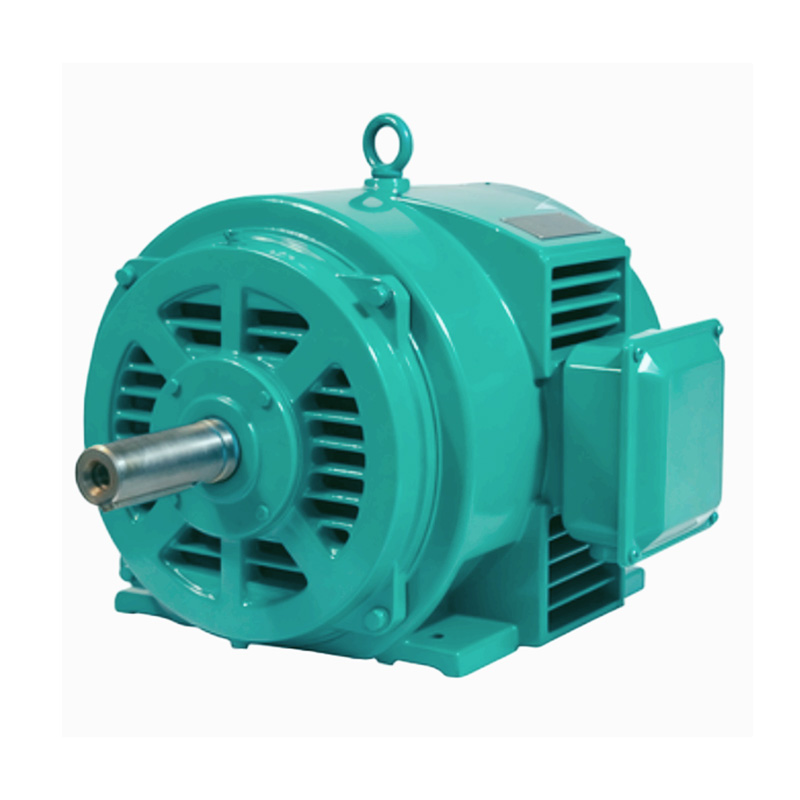
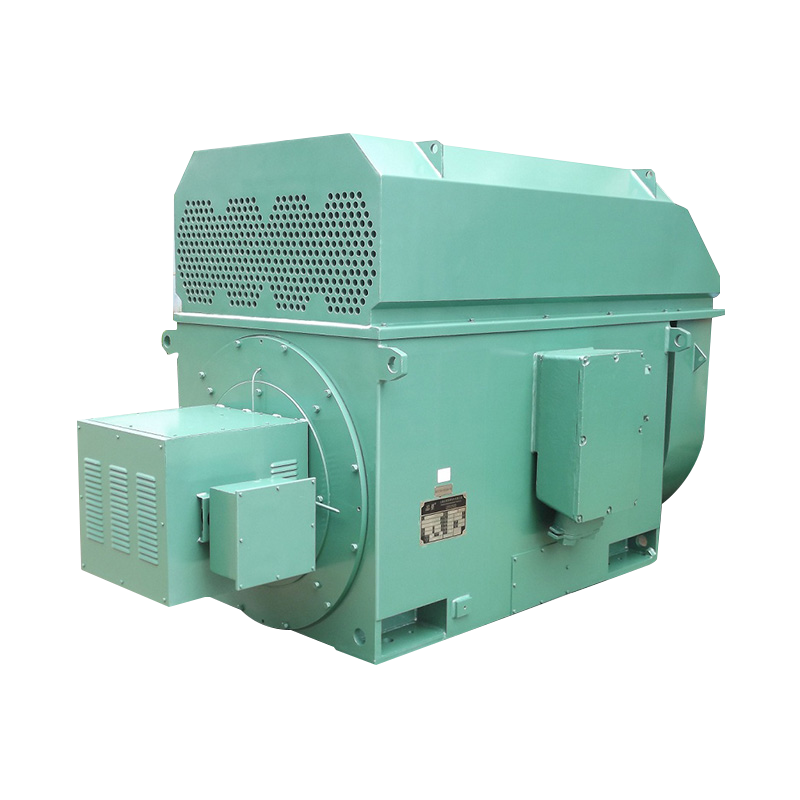
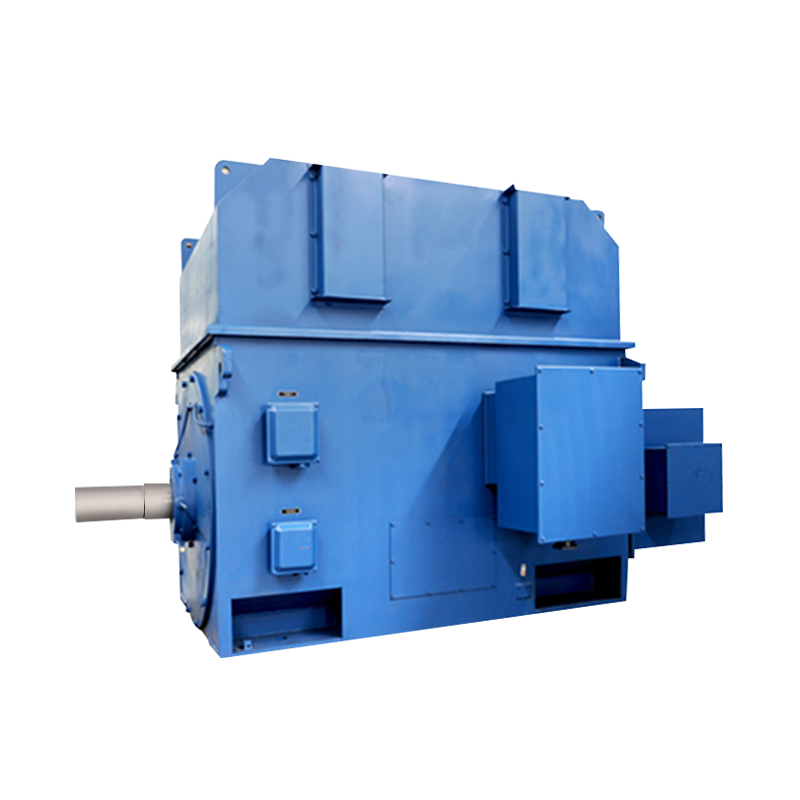
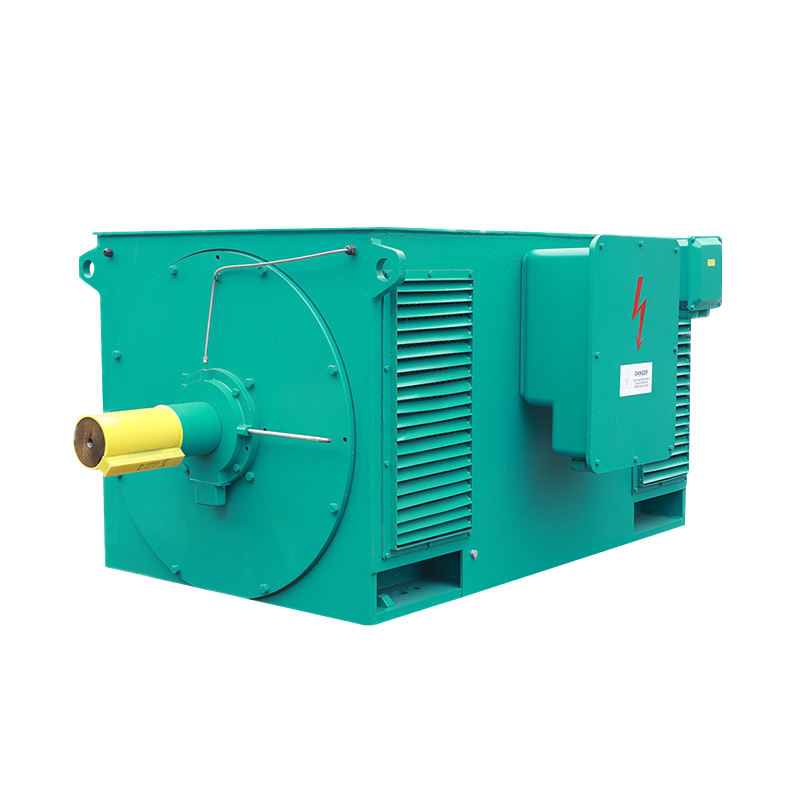
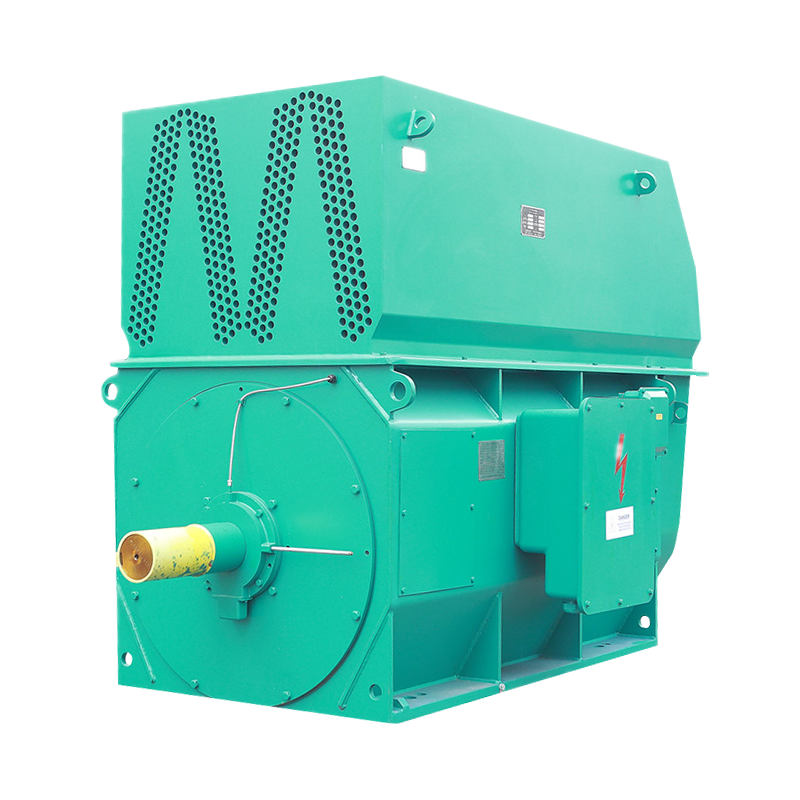
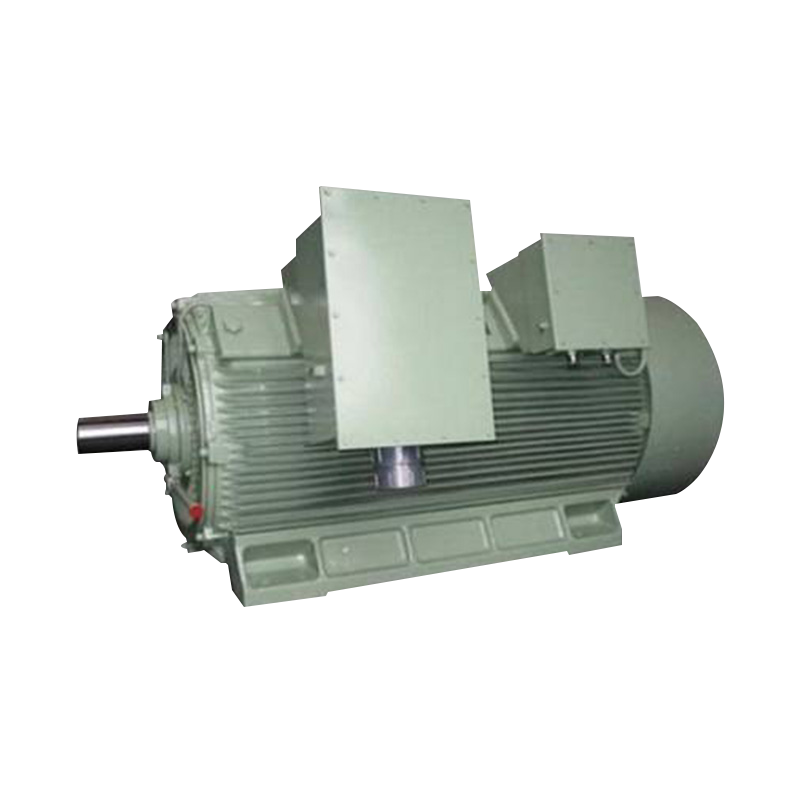
The basic construction of a low voltage motor consists of a stator (the stationary part containing windings), a rotor (the rotating part that delivers mechanical power), bearings that support the rotor, and a cooling system that removes heat generated during operation. The stator windings are connected to the power supply, creating a rotating magnetic field that interacts with the rotor to produce torque.
Low voltage motors are available in two main configurations: induction motors (also called asynchronous motors) and synchronous motors. Induction motors are the most widely used type, accounting for over 90% of industrial motor installations. They are simple in construction, robust, and require minimal maintenance. Synchronous motors are used in applications requiring precise speed control or where the motor must operate at a constant speed regardless of load.
The enclosure of a low voltage motor is designed to protect the internal components from the environment. Common enclosure types include open drip-proof (ODP), totally enclosed fan-cooled (TEFC), and totally enclosed air-over (TEAO). The choice of enclosure depends on the operating environment and the level of protection required. TEFC motors are the most common type, providing protection against dust, moisture, and other contaminants.
Low voltage motors are classified by their duty cycle, which describes the pattern of operation. Continuous duty (S1) motors are designed to run at full load indefinitely. Intermittent duty (S2 to S10) motors are designed for applications where the motor operates for short periods followed by rest periods. The duty cycle affects the motor's cooling requirements and thermal capacity.
Types of Low Voltage Motors
Low voltage motors are available in a variety of types, each suited to different applications. Understanding the differences between these types is essential for selecting the right motor for your application.
Induction Motors
Induction motors are the most common type of low voltage motor, accounting for the majority of installations worldwide. They operate on the principle of electromagnetic induction, where the stator windings create a rotating magnetic field that induces currents in the rotor. The rotor is typically a squirrel-cage design, consisting of conductive bars shorted at both ends.
Induction motors are available in single-phase and three-phase configurations. Three-phase induction motors are the most widely used in industrial applications, offering high efficiency, reliable operation, and simple control. Single-phase induction motors are used in residential and light commercial applications where three-phase power is not available.
The speed of an induction motor is determined by the number of poles and the supply frequency. Common synchronous speeds for 50 Hz systems are 3000 rpm (2-pole), 1500 rpm (4-pole), and 1000 rpm (6-pole). The actual operating speed is slightly lower than the synchronous speed due to slip, which increases with load.
Synchronous Motors
Synchronous motors operate at a constant speed that is synchronized with the supply frequency. They are used in applications where precise speed control is required, such as in textile machinery, printing presses, and paper mills. Synchronous motors can also be used for power factor correction, as they can operate at leading power factor.
The rotor of a synchronous motor is excited by a DC supply, creating a magnetic field that locks onto the rotating stator field. This ensures that the rotor rotates at exactly the synchronous speed, independent of the load. Synchronous motors are more complex and expensive than induction motors, but offer higher efficiency and better power factor.
Permanent Magnet Motors
Permanent magnet motors are a type of synchronous motor that uses permanent magnets in the rotor instead of a DC excitation system. This design eliminates the need for slip rings and brushes, reducing maintenance requirements and improving reliability. Permanent magnet motors offer high efficiency and high power density, making them ideal for applications where space and energy efficiency are critical.
These motors are increasingly used in electric vehicles, robotics, and high-performance industrial drives. Advances in magnet technology have made permanent magnet motors competitive with induction motors in terms of cost and performance.
Explosion-Proof Motors
Explosion-proof motors are designed for use in hazardous environments where flammable gases, vapors, or dust may be present. These motors are enclosed in a housing that can contain an internal explosion without igniting the surrounding atmosphere. They are certified for use in specific hazardous area classifications, such as Class I, Division 1 for gas hazards.
Explosion-proof motors are available in both induction and synchronous designs, with features such as flame paths, temperature ratings, and special enclosures. Leading manufacturers such as Shanghai Pinxing Explosion-proof Motor Co., Ltd. offer a comprehensive range of explosion-proof low voltage motors for demanding applications.
Efficiency Standards and Classes
The efficiency of a low voltage motor is a critical factor in determining its operating cost and environmental impact. International standards define efficiency classes that allow users to compare the performance of different motors.
IE Efficiency Classes
The International Electrotechnical Commission (IEC) has established four efficiency classes for motors:
- IE1 — Standard Efficiency — The minimum efficiency level for general-purpose motors. These motors are suitable for applications where energy costs are not a primary concern. They are being phased out in many regions due to regulatory requirements.
- IE2 — High Efficiency — Provides significant energy savings over IE1 motors. IE2 is the minimum efficiency required for new motor installations in many countries. These motors offer a good balance of cost and efficiency.
- IE3 — Premium Efficiency — Offers higher efficiency than IE2, providing substantial energy savings and reduced operating costs. IE3 motors are increasingly required by regulations worldwide, particularly in regions with high energy costs.
- IE4 — Super Premium Efficiency — The highest efficiency class, offering maximum energy savings. IE4 motors are ideal for applications with continuous operation and high energy costs. The higher initial cost is typically offset by energy savings over the motor's service life.
The selection of motor efficiency class depends on several factors: the number of operating hours per year, the local energy cost, and the initial cost difference between efficiency classes. For motors that operate continuously, the energy savings from an IE3 or IE4 motor can provide a return on investment in a few years.
Energy Savings and ROI
The energy savings from a higher efficiency motor can be substantial. For a motor operating 24 hours a day, 365 days a year, the difference between IE2 and IE3 efficiency can result in energy savings of 5-10% or more. Over the motor's 15-25 year service life, these savings can amount to many times the initial cost difference.
In addition to energy savings, higher efficiency motors produce less heat, which can reduce cooling requirements and extend the life of the motor and its insulation. They also have lower operating temperatures, which improves bearing life and reduces maintenance requirements.
Applications
Low voltage motors are used across virtually every industry sector, powering the equipment that drives modern production and infrastructure. The versatility and reliability of these motors make them essential in countless applications.
Manufacturing and Production
In manufacturing, low voltage motors power conveyors, machine tools, robots, and automated production lines. They are used in metalworking, plastics processing, textile production, and assembly operations. The ability of modern motors to work with variable frequency drives enables precise speed control and improved process efficiency.
Pumping and Water Treatment
Low voltage motors drive pumps for water supply, wastewater treatment, irrigation, and industrial processes. These motors operate continuously in many applications, making efficiency a critical factor. High-efficiency motors are increasingly used in pumping applications to reduce energy costs.
HVAC Systems
Heating, ventilation, and air conditioning systems rely on low voltage motors for fans, blowers, compressors, and pumps. HVAC systems account for a significant portion of building energy consumption, and the use of high-efficiency motors in these systems can provide substantial energy savings.
Material Handling
Conveyor systems, elevators, cranes, and hoists use low voltage motors for movement and lifting. These applications often require motors with high starting torque and the ability to withstand frequent starts and stops.
Renewable Energy
Low voltage motors are increasingly used in renewable energy applications, such as solar tracking systems and wind turbine pitch control. These applications require reliable, efficient motors that can operate in harsh environmental conditions.
Food and Beverage
In the food and beverage industry, low voltage motors power mixers, conveyors, packaging equipment, and processing machinery. These motors must meet hygiene and safety standards, including washdown capability and corrosion resistance.
Selection Guide
Selecting the right low voltage motor requires careful consideration of several factors. The following guide provides a structured approach to motor selection:
Step 1: Determine Power Requirements
Calculate the required motor power based on the load characteristics and operating conditions. Consider both running and starting power requirements. The power rating is typically expressed in kilowatts (kW) or horsepower (hp). Oversizing the motor can reduce efficiency, while undersizing can lead to overheating and premature failure.
Step 2: Define Speed Requirements
Specify the required motor speed (synchronous speed) and consider whether variable speed operation is required. Standard speeds for 50 Hz systems are 3000 rpm (2-pole), 1500 rpm (4-pole), and 1000 rpm (6-pole). Variable speed drives can be used to adjust the motor speed for applications requiring variable output.
Step 3: Select Efficiency Class
Choose the appropriate efficiency class (IE1 to IE4) based on operating hours, energy costs, and regulatory requirements. Higher efficiency classes provide greater energy savings but have higher initial costs. For motors operating continuously, IE3 or IE4 motors are typically the most cost-effective choice.
Step 4: Consider Duty Cycle
Determine whether the motor will operate continuously, intermittently, or under variable loads. This affects the motor design and cooling requirements. Continuous duty (S1) motors are designed for indefinite operation at rated load. Intermittent duty motors (S2 to S10) are designed for applications with specific operating and rest periods.
Step 5: Evaluate Environmental Conditions
Consider ambient temperature, altitude, humidity, and exposure to dust, water, or corrosive substances. These factors determine the motor's enclosure type and protection rating. Enclosure types include open drip-proof (ODP), totally enclosed fan-cooled (TEFC), and weather-protected (WPI and WPII).
Step 6: Check Mounting and Connection
Specify the mounting configuration (foot-mounted, flange-mounted, or combination) and terminal box position for compatibility with the driven equipment. Common mounting types include IM B3 (foot-mounted), IM B5 (flange-mounted), and IM B35 (foot and flange).
Industry leaders such as Shanghai Pinxing Explosion-proof Motor Co., Ltd. offer a comprehensive range of low voltage motors meeting IE2, IE3, and IE4 efficiency standards for diverse industrial applications.
Frequently Asked Questions
What is a low voltage motor?
A low voltage motor is an electric motor designed to operate at voltages up to 1,000 V AC. These motors are the most common type used in industrial and commercial applications.
What are the common voltage ratings for low voltage motors?
Common voltage ratings include 220V, 380V, 415V, and 690V, depending on the region and application requirements.
What is the typical power range of low voltage motors?
Low voltage motors are available from 0.1 kW to 1,000 kW, covering a wide range of industrial and commercial applications.
What are the efficiency classes for low voltage motors?
Efficiency classes are defined by IEC standards: IE1 (Standard), IE2 (High), IE3 (Premium), and IE4 (Super Premium). Higher classes offer greater energy savings.
What applications use low voltage motors?
Low voltage motors are used in pumps, fans, compressors, conveyors, elevators, HVAC systems, and countless other industrial and commercial applications.
What is the typical lifespan of a low voltage motor?
With proper maintenance, low voltage motors can last 15-25 years or more. Regular inspection and maintenance extend service life significantly.
What is the difference between an induction motor and a synchronous motor?
Induction motors have a slight speed reduction under load (slip) and are simpler in construction. Synchronous motors maintain constant speed regardless of load and offer higher efficiency but are more complex.
 +86-21-57566731
 cai@pinxingmotor.com
 DOWNLOAD


 English
 русский
 Français
 عربى
عربى

 Shanghai Pinxing
 cai@pinxingmotor.com
 +86-21-57566731
 +86-21-57566967
 No.699, Pinxing Rd., Qinggang Industrial Zone, Fengxian District, Shanghai, China.(East Gate)