- 中文网站请点击 http://www.pinxinggroup.com
-
 +86-21-57566731
-
 cai@pinxingmotor.com
-
 DOWNLOAD


 English
 русский
 Français
 عربى
عربى
What Is a NEMA Motor? Design Classes, Frame Sizes, Enclosures, and Buying Tips
Content
- 1 What Is a NEMA Motor?
- 2 NEMA Design Classes: Matching the Motor to the Load
- 3 NEMA Frame Sizes and the Value of Interchangeability
- 4 NEMA Enclosure Types: ODP, TEFC, and Beyond
- 5 Voltage, Frequency, Service Factor, and Efficiency
- 6 What to Verify Before You Buy a NEMA Motor
- 7 Choosing a Partner Who Builds to NEMA MG 1
What Is a NEMA Motor?
A maintenance supervisor in Ohio pulls a failed 5 HP pump motor and reads the nameplate: 184T frame, TEFC enclosure, Design B, 230/460 V, 60 Hz, service factor 1.15. Within hours, a replacement motor with the same NEMA designation slides onto the same baseplate without re-drilling a single mounting hole.
That interchangeability is the whole point of the NEMA motor standard. NEMA, the National Electrical Manufacturers Association, publishes MG 1, the standard that governs motors and generators across the United States, Canada, Mexico, and many export markets. A NEMA motor is any motor designed, dimensioned, and tested to the requirements in MG 1.
The standard's scope is wide: NEMA covers motors rated from 1/1,000 HP up to 50,000 HP, with voltages up to 13,800 V. That range includes fractional-horsepower instruments, general-purpose industrial motors, and large high-voltage machines.
One distinction deserves emphasis: a NEMA size defines mounting dimensions only, not performance. A NEMA 23 stepper motor has a 2.3-inch square mounting face, but the designation says nothing about its torque or electrical characteristics. The same logic applies to industrial NEMA frame numbers — they standardize the physical interface so motors from different manufacturers remain mechanically interchangeable.
IEC motors, governed by the International Electrotechnical Commission, dominate Europe and most of Asia, with metric frame numbers and different mounting dimensions. If you build equipment for North America, or maintain machines designed for that market, NEMA is the standard you need to work with.
NEMA Design Classes: Matching the Motor to the Load
NEMA MG 1 divides induction motors into four design classes (A, B, C, and D) based on starting torque, breakdown torque, locked-rotor current, and slip. The design class appears on the nameplate and controls how the motor behaves during starting and overload.
| Design | Starting Torque | Breakdown Torque | Slip | Typical Applications |
|---|---|---|---|---|
| A | Normal | High | < 5% | Machine tools; general drives with low starting loads |
| B | Normal | Normal | < 5% | Pumps, fans, compressors; the general-purpose default |
| C | High | Normal | < 5% | Conveyors, crushers, mixers that start under load |
| D | Very high | Not specified | 5–13% | Punch presses, shears, high-inertia loads |
Design B is the default for most general-purpose industrial work because it balances starting current and torque. Design A adds breakdown torque for machine tools. Design C increases starting torque for equipment that must start under partial or full load. Design D provides very high starting torque with higher slip, which suits loads with very high inertia or frequent start cycles.
How the design class changes starting behavior
Locked-rotor current, the current drawn the moment power is applied, varies with design class. Design B motors typically draw 600 to 650 percent of full-load current, which is why they work with standard across-the-line starters in most plants. Design C motors trade a little starting-current headroom for extra torque. If a Design B motor stalls on a loaded conveyor, replacing it with a Design C unit is often the fastest fix, provided the frame and mounting remain compatible.
The mistake that causes most replacement failures
The most common selection error is choosing by horsepower and frame size alone, ignoring the design class. A motor that starts unloaded behaves very differently from one that must start with a loaded belt or a full crusher chamber. Compare the nameplate design letter with the driven load before you order.
NEMA Frame Sizes and the Value of Interchangeability
NEMA frame numbers (143T, 145T, 182T, 184T, 213T, 215T, 254T, 256T, 284T, 286T, 324T, 326T, 364T, 365T, 404T, 405T, 444T, 445T, and beyond) define the physical envelope of the motor: shaft height, shaft diameter, mounting bolt pattern, and overall length.
The "T" suffix marks the modern standardized frame series. Two motors with the same frame number from different manufacturers mount on the same baseplate and accept the same coupling. That promise of interchangeability is why a failed motor can be swapped in hours rather than days.
What frame standardization means for OEMs
For machine builders exporting to North America, specifying NEMA frames from the start avoids adapter plates and re-certification. Standard frames simplify spare parts inventory: one frame size can cover a range of power ratings, and stock stays predictable.
What to verify before replacing a NEMA frame motor
The frame number alone does not guarantee a match if the shaft extension, keyway, or foot configuration varies. Before ordering, confirm shaft diameter and length, keyway size, and mounting orientation. When a supplier proposes an alternative frame, treat it as a redesign, not a substitution.
NEMA Enclosure Types: ODP, TEFC, and Beyond
NEMA enclosure types describe how well a motor protects its internal components from the surrounding environment. Choosing the wrong enclosure is a leading cause of premature winding failure.
Open Drip-Proof (ODP)
ODP motors have ventilation openings that allow cooling air to flow through the windings, while the housing deflects liquid falling at up to 15 degrees from vertical. They run cooler and cost less than enclosed designs, but they suit only clean, dry indoor spaces. Pump rooms, HVAC plants, and compressor rooms kept free of dust and moisture are typical ODP territory. For those conditions, an ODP NEMA motor provides reliable cooling without the premium of a sealed enclosure.
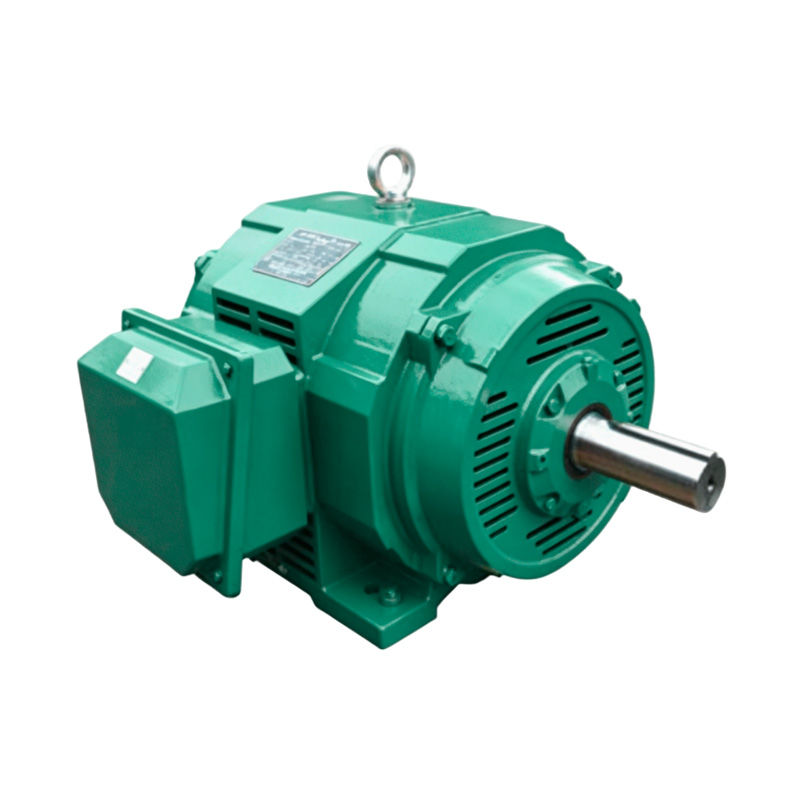 Custom ODP Suppliers, Manufacturers - Shanghai Pinxing Explosion-proof Motor Co.Shanghai Pinxing Explosion-proof Motor Co., Ltd is China ODP Suppliers and ODP Manufacturers, We offer custom ODP for sale.View Product →
Totally Enclosed Fan-Cooled (TEFC)
TEFC motors enclose the stator and rotor completely; an external fan blows over the finned frame to carry heat away. No ambient air enters the motor, which makes TEFC the first choice for dusty, damp, and outdoor locations. Food processing lines, grain handling equipment, sawmills, and chemical plants routinely rely on TEFC motors because airborne particles never touch the windings. Where washdown or weather exposure is expected, a TEFC NEMA motor offers protection that an ODP motor cannot provide.
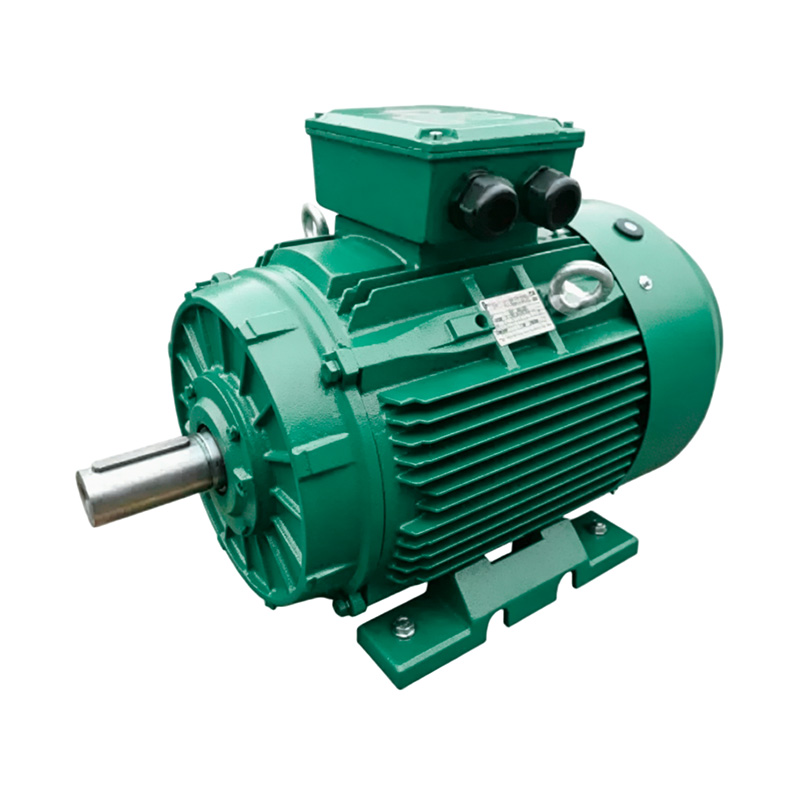 Custom TEFC Suppliers, Manufacturers - Shanghai Pinxing Explosion-proof Motor CoShanghai Pinxing Explosion-proof Motor Co., Ltd is China TEFC Suppliers and TEFC Manufacturers, We offer custom TEFC for sale.View Product →
Beyond ODP and TEFC, NEMA also defines TENV (totally enclosed non-vented) for locations where external airflow is unavailable, and explosion-proof (XPRF) enclosures for hazardous classified areas such as chemical plants and grain facilities. Explosion-proof motors contain any internal ignition so it cannot ignite surrounding gas or dust. In classified areas, enclosure selection is a safety issue, not a cost issue — and the explosion-proof motor selection guide explains the practical differences.
Voltage, Frequency, Service Factor, and Efficiency
Most NEMA motors for North America carry 230/460 V ratings at 60 Hz; Canadian installations often use 575 V, and large machines reach 13,800 V. Many export projects also specify 50 Hz operation. Confirm both voltage and frequency before ordering, and compare the nameplate data with your site's actual supply.
Service factor is another NEMA-specific consideration. A typical NEMA motor has a 1.15 service factor, meaning it can run at 15 percent above rated load without exceeding its design temperature rise. Most IEC motors are rated at 1.0. That extra margin matters in constant-load applications where brief overloads, voltage dips, or ambient temperature spikes occur.
On efficiency, NEMA Premium roughly aligns with the global IE3 class, and IE4 levels are increasingly available. Because a motor consumes many times its purchase price in electricity over its working life, efficiency is the fastest lever on total cost of ownership. For large machines, efficiency classes and payback logic are covered in the high-voltage motor efficiency and IE4 selection guide.
What to Verify Before You Buy a NEMA Motor
Sourcing a NEMA motor, especially from a manufacturer outside North America, is straightforward if you check these six points before committing:
- Design class (A, B, C, or D) matches the starting torque and slip requirements of the driven equipment.
- Frame number, shaft diameter, shaft extension length, and keyway all match the existing baseplate and coupling.
- Enclosure type (ODP, TEFC, or explosion-proof) fits the actual site conditions.
- Voltage and frequency match the supply: typically 230/460 V at 60 Hz, with a 50 Hz rating if export equipment needs it.
- Efficiency class is verified by test certificates, not just catalog values.
- Service factor, insulation class, and ambient temperature rating cover the worst-case operating condition.
For maintenance teams, these checks prevent the most common cause of early failure: installing a motor that is electrically correct on paper but mechanically or environmentally wrong on site. For OEMs, they prevent warranty claims caused by mismatched dimensions. A broader discussion of low-voltage motor selection, protection, and VFD integration appears in the low-voltage motor guide.
Choosing a Partner Who Builds to NEMA MG 1
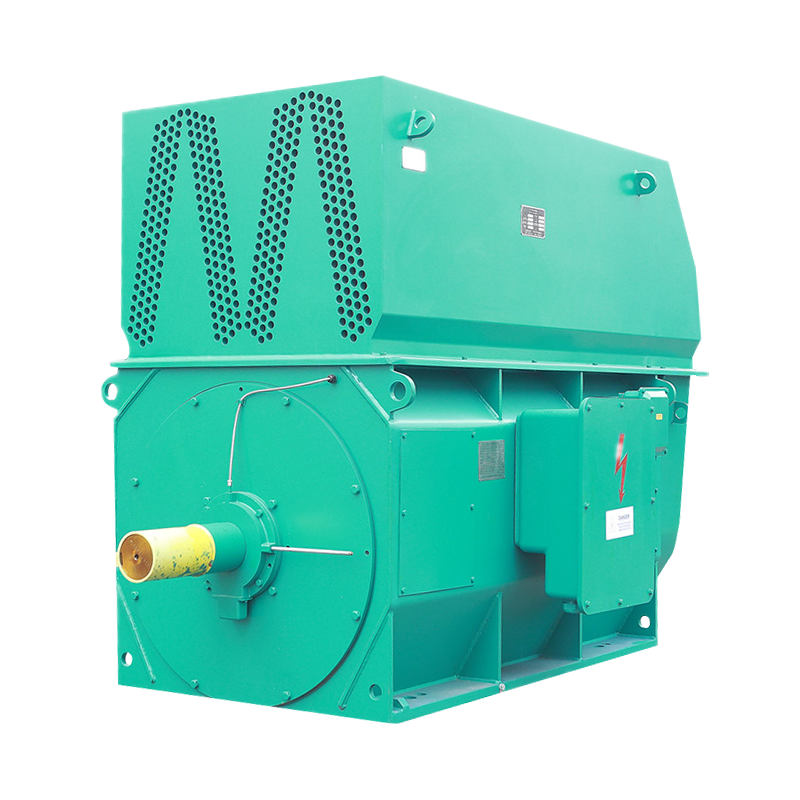
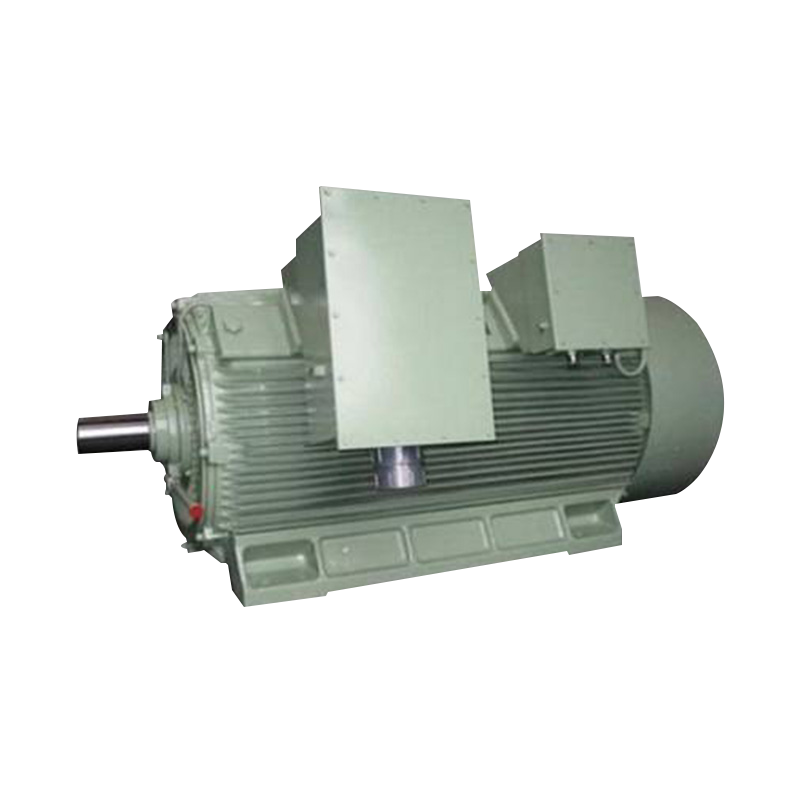
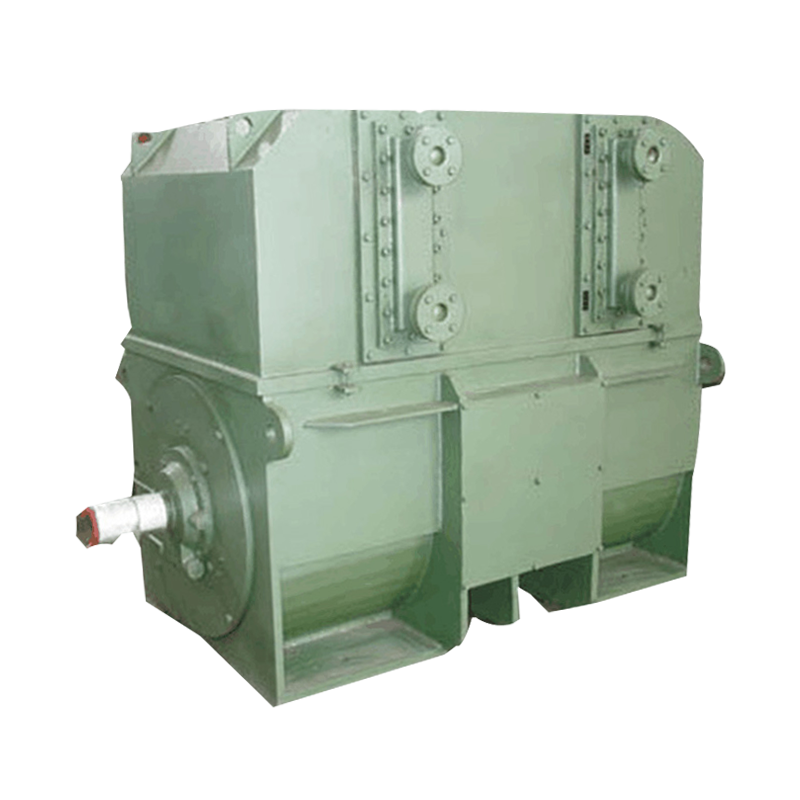
Beyond specifications, the real question is whether a supplier manufactures to NEMA MG 1 or simply labels products as NEMA. Certificates, test reports, and a sustained export record to North America are practical evidence. Shanghai Pinxing, a motor manufacturer that ships to more than 40 countries, builds a complete NEMA motor range covering both ODP and TEFC enclosures in the frame sizes used across US and Canadian industry, and can supply the dimensional drawings and test documentation a proper factory acceptance test requires.
Custom NEMA Motor Suppliers, Manufacturers - Shanghai Pinxing Explosion-proof MoShanghai Pinxing Explosion-proof Motor Co., Ltd is China NEMA Motor Suppliers and NEMA Motor Manufacturers, We offer custom NEMA Motor fo...View Product →
The nameplate tells you what the motor is. A supplier with hands-on experience in NEMA markets tells you whether it will perform. Design class, frame size, enclosure, voltage, and efficiency cover 95 percent of the decision; the rest is choosing a manufacturer whose production and testing processes prove they understand the standard.

Get in Touch
Related Products
 Shanghai Pinxing
Explosion-proof Motor Co., Ltd.
-
 cai@pinxingmotor.com
-
 +86-21-57566731
-
 +86-21-57566967
-
 No.699, Pinxing Rd., Qinggang Industrial Zone, Fengxian District, Shanghai, China.(East Gate)
-
No. 168, Qingling Rd, Qinggang Industrial Zone, Qingcun Town, Fengxian District, Shanghai, China (South Gate)
Copyright@ 2024 Shanghai Pinxing Explosion-proof Motor Co., Ltd. All Rights Reserved.
Privacy