- 中文网站请点击 http://www.pinxinggroup.com
-
 +86-21-57566731
-
 cai@pinxingmotor.com
-
 DOWNLOAD


 English
 русский
 Français
 عربى
عربى
Why Are Low Power Motors the Soul of Precision Control in Timers and Ser
Content
- 1 1. Introduction: The Role of Precision Control in Timers and Servers
- 2 2. Technical Principles of Low Power Synchronous Motors
- 3 3. Application of Low Power Motors in Timers and Server Systems
- 4 4. Comparison of Low Power Motors with Traditional Motors
- 5 5. Key Considerations for B2B Procurement of Low Power Motors
- 6 6. FAQ About Low Power Motors
- 7 References
Precision control is the core requirement of timers and server systems. Low-power motors play an irreplaceable role in this process. These motors balance low power consumption and high precision, ensuring the stable operation of equipment while reducing energy waste. For B2B buyers and wholesalers, understanding the technical characteristics and application scenarios of low-power motors is crucial to meeting market demand. This article analyzes the engineering principles, application details, and procurement points of low-power motors, providing professional references for industry practitioners.
1. Introduction: The Role of Precision Control in Timers and Servers
1.1 The Core Demand for Low Power Consumption in Precision Equipment
Timers and server systems require long-term stable operation, so low power consumption is a key indicator. Timers are widely used in household appliances and industrial equipment, and their internal drive components need to maintain accurate timing without excessive energy consumption. Server systems, especially data centers, operate 24/7, and the energy consumption of internal components directly affects operational costs. Low-power motors meet this demand by minimizing energy loss while maintaining performance.
1.2 The Connection Between Low Power Motors and Precision Control
Precision control relies on stable speed and torque, which low-power motors can achieve through synchronous operation. Unlike traditional motors, low-power motors have higher speed stability and lower torque fluctuation, making them suitable for scenarios that require precise timekeeping and equipment regulation. They are the core component of precision control systems.
2. Technical Principles of Low Power Synchronous Motors
2.1 Core Structure and Working Mechanism
Low-power motors (especially synchronous types) consist of a stator, rotor, and driver. The stator generates a rotating magnetic field through alternating current, and the rotor rotates synchronously with the magnetic field. This synchronous operation eliminates speed slip, ensuring stable speed output. The rotor adopts permanent magnet materials, which reduces energy consumption by avoiding the need for excitation current, a key advantage of low-power motors.
2.2 Key Technical Indicators
For timers and server systems, the key technical indicators include:
- Speed stability: Fluctuation within ±0.5% to ensure accurate timing and control.
- Power consumption: Typically below 10W for small timers and below 50W for server cooling fans.
- Torque control: Stable low torque output to avoid mechanical wear.
- Operating temperature: Below 60℃ to ensure long-term operation without overheating.
3. Application of Low Power Motors in Timers and Server Systems
3.1 Application in Timers: Low Power Synchronous Motors for Timers
Low-power synchronous motors for timers are mainly used to drive the timing mechanism. They provide a stable rotational speed to ensure accurate time measurement. These motors adopt a compact design to fit the small size of timers, and their low power consumption allows timers to operate for a long time on batteries or low-voltage power supplies. The synchronous operation of the motors ensures that the timing error is within milliseconds, meeting the precision requirements of various timer applications.
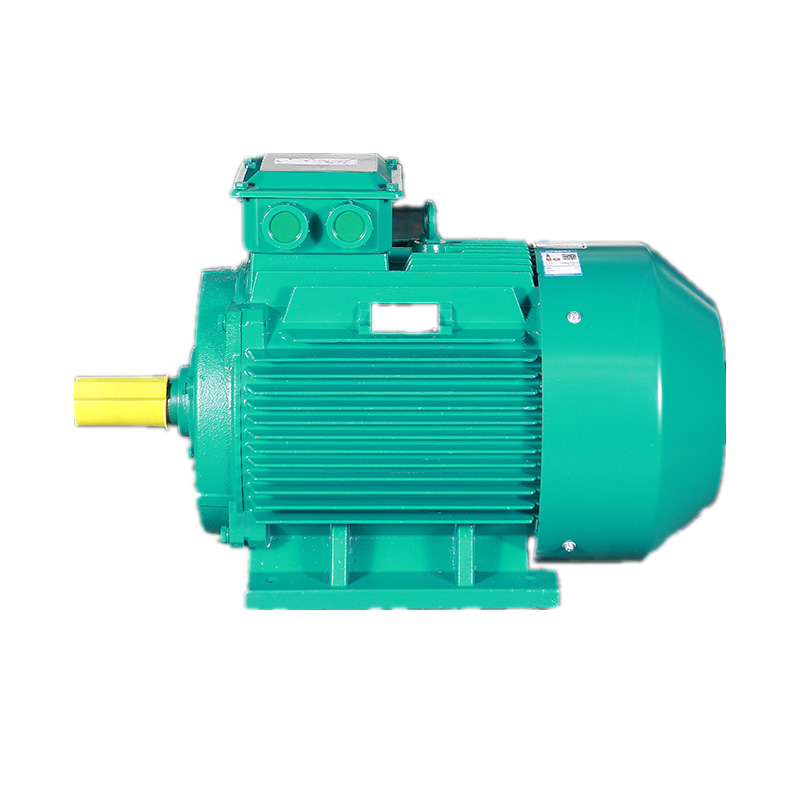
3.2 Application in Server Systems: Low Power Motors for Server Cooling
Server systems generate a lot of heat during operation, and cooling fans driven by low-power motors for server cooling systems maintain temperature stability. These motors adjust fan speed according to the server’s heat load, reducing energy consumption when the server is in low-load operation. The stable speed control of low-power motors ensures that the cooling fan operates smoothly, avoiding noise and vibration that could affect server performance.
4. Comparison of Low Power Motors with Traditional Motors
To help B2B buyers make informed procurement decisions, we compare low-power motors with traditional AC motors, focusing on performance indicators related to precision control and energy consumption. The following table details the key differences:
| Motor Type | Power Consumption | Speed Stability | Torque Control | Suitability for Timers/Servers |
|---|---|---|---|---|
| Low Power Motor | Low (1-50W) | High (fluctuation ±0.5%) | Excellent (stable output) | High (meets precision needs) |
| Traditional AC Motor | High (50-200W) | Low (fluctuation ±5%) | Poor (speed varies with load) | Low (high energy consumption, poor precision) |
5. Key Considerations for B2B Procurement of Low Power Motors
5.1 Precision and Stability Requirements: High-Precision Low Power Motors
B2B buyers should prioritize high-precision, low-power motors for timer and server applications. They need to verify the speed stability and torque fluctuation indicators of the motors, ensuring they meet the precision requirements of the equipment. Manufacturers should provide test reports to confirm the technical indicators of the motors.
5.2 Power Consumption and Efficiency Standards
Power consumption directly affects the operational cost of equipment. Buyers should select low-power motors with energy efficiency ratings above Class IE2, which ensures low energy loss and long-term cost savings. For server applications, motors with variable speed control functions are more suitable, as they can adjust power consumption according to load.
5.3 Wholesale Considerations: Wholesale Low Power Motors
When purchasing wholesale low-power motors, buyers should pay attention to the minimum order quantity (MOQ) and delivery time. Most manufacturers have an MOQ of 100-500 units, and delivery time ranges from 7-15 working days. Buyers should compare quotes from multiple manufacturers, considering material quality and production craftsmanship to ensure cost-effectiveness.
5.4 Speed Control Performance: Low Power Motors with Stable Speed
Low-power motors with stable speed are essential for precision applications. Buyers should confirm that the motors support speed adjustment and have a wide speed range, which allows them to adapt to different equipment requirements. The driver of the motor should have high control accuracy to ensure stable speed output.
6. FAQ About Low Power Motors
- Q: What is the main advantage of low-power motors in timer applications?
A: The main advantage is the balance of low power consumption and high speed stability. Low-power motors can maintain accurate rotational speed for a long time with minimal energy consumption, ensuring the timer’s precision and long service life. - Q: Can low-power motors be customized for server systems?
A: Yes, most manufacturers offer low-power motors for server cooling systems. Buyers can adjust parameters such as power, speed range, and size according to the server’s cooling requirements. - Q: What factors affect the service life of low-power motors?
A: The main factors include material quality, operating temperature, and maintenance. Using high-quality permanent magnet materials and ensuring the motor operates within the recommended temperature range can extend its service life to 50,000 hours or more.
References
- 1. IEEE. (2024). IEEE Standard for Low-Power Synchronous Motors for Precision Equipment. Retrieved from https://standards.ieee.org/standard/1547-2024.html
- 2. Industrial Motors Guide. (2025). Low Power Motor Technology and Application in Precision Control. Retrieved from https://industrialmotorsguide.com/low-power-motor-technology/
- 3. Alibaba.com. (2026). Low Power Synchronous Motors: Specifications and Wholesale Guide. Retrieved from https://www.alibaba.com/product-insights/low-power-synchronous-motors
- 4. Engineering ToolBox. (2024). Motor Efficiency and Power Consumption Calculation. Retrieved from https://www.engineeringtoolbox.com/motor-efficiency-power-consumption-d_11.html
- 5. Precision Engineering Journal. (2025). The Role of Low Power Motors in Timer and Server Systems. Vol. 89, pp. 45-52
- 6. Global Market Insights. (2026). Low Power Motors Market Report: Trends and Procurement Guidelines. Retrieved from https://www.globalmarketinsights.com/reports/low-power-motors-market

Get in Touch
Related Products
 Shanghai Pinxing
Explosion-proof Motor Co., Ltd.
-
 cai@pinxingmotor.com
-
 +86-21-57566731
-
 +86-21-57566967
-
 No.699, Pinxing Rd., Qinggang Industrial Zone, Fengxian District, Shanghai, China.(East Gate)
-
No. 168, Qingling Rd, Qinggang Industrial Zone, Qingcun Town, Fengxian District, Shanghai, China (South Gate)
Copyright@ 2024 Shanghai Pinxing Explosion-proof Motor Co., Ltd. All Rights Reserved.
Privacy