- 中文网站请点击 http://www.pinxinggroup.com
-
 +86-21-57566731
-
 cai@pinxingmotor.com
-
 DOWNLOAD


 English
 русский
 Français
 عربى
عربى
Industrial DC Electric Motors: Selection, Maintenance and Application Guide
Content
A steel mill maintenance engineer standing inside a 1960s rolling mill machine house still finds a large DC shunt motor driving the pinion stand. That machine has survived rewinds, worn brushes and decades of dust, and it still delivers the starting torque that a comparable AC induction motor would need an oversized variable frequency drive to match. For plants that already run direct-current bus systems, specifying the right industrial DC electric motors is a decision that keeps producing returns for decades. Shanghai Pinxing Explosion-proof Motor Co., Ltd. designs and manufactures these machines along with the complete industrial DC motor range.
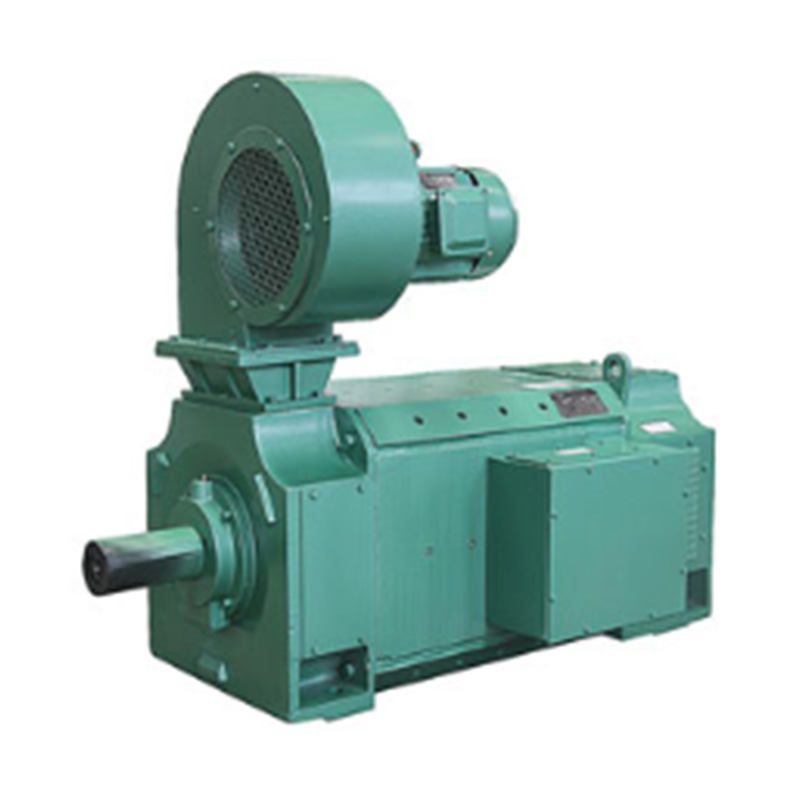 Industrial DC Electric Motors for High Starting Torque ApplicationsThese custom DC motors provide high starting torque and smooth wide speed regulation, making them suitable for steel mill rolling stands and other heavy-duty industrial drives.View Product →
What Makes an Industrial DC Electric Motor Different?
An industrial DC electric motor converts direct-current electrical energy into rotary motion through a commutator and brushes, and it provides very high starting torque with smooth wide speed regulation.
The construction is straightforward. A stationary field winding or permanent magnets create the magnetic flux. An armature winding rotates inside that field, and the commutator switches the direction of current in the armature coils so the electromagnetic torque remains unidirectional. The result is a machine that can deliver nearly three times its rated torque at standstill without a large electronic drive.
- Series wound motors: maximum starting torque, used in cranes and hoists, but speed rises dangerously when the load is removed.
- Shunt wound motors: stable speed under varying loads, common in machine tools, fans and pumps.
- Compound wound motors: a practical compromise for presses, shears and mine winders.
- Permanent magnet DC motors: compact and efficient, used in servo and light-duty industrial motion systems.
Why Factories Still Specify DC Motors Today
The DC motor remains a practical choice in industries where very high starting torque and wide smooth speed regulation matter more than catalog simplicity.
Steel mills, paper machines, mining hoists and ship deck machinery rely on DC drives because the armature voltage directly controls speed. There is no need for a separate motor or gearbox redesign when the working range changes. The regenerative rating of a DC power panel also allows the motor to return energy to the grid during braking, which is hard to achieve with an AC induction motor on a simple contactor-based starting system.
For example, winch systems on offshore vessels have to hold a moving load at zero speed without overheating. The field-weakening range of a DC motor covers that low-speed zone more simply than an AC vector drive with encoder feedback. Plants that already have DC bus sections also avoid the cost of rebuilding the whole drive architecture. The key difference is explained further in our article on variable frequency drive motors.
Selection Criteria for Industrial DC Electric Motors
Choosing an industrial DC electric motor starts with the duty cycle, the speed range and the method of armature voltage control.
You have to define the peak torque the motor must deliver during acceleration, not just the rated running torque. Then match the armature voltage to the DC bus available on site. If the plant runs a 500 V bus, a 440 V motor will run below its optimum field and produce poor commutation. Insulation class and temperature margin also determine how long the machine lasts in a hot enclosure. Commutation capability at low speed with full load is the final gate: at low speed, small positioning drives suffer from heavy sparking unless the interpoles are correctly designed.
| Motor type | Starting torque | Speed regulation | Efficiency range | Typical industrial duty |
| Series wound | Very high | Poor at no load | 85-92 percent | Hoists, cranes, winches |
| Shunt wound | Moderate | Excellent | 85-94 percent | Machine tools, fans, pumps |
| Compound wound | High | Good | 82-90 percent | Presses, shears, winders |
| Permanent magnet | Low to moderate | Good | 80-88 percent | Servo and small motion systems |
- Define the peak torque at zero speed and at full working speed.
- Match the rated armature voltage to the existing DC bus.
- Check the insulation class and the temperature rise at maximum load.
- Verify commutation quality at low speed with full load.
- Select the DC power panel that covers regenerative braking and field supply.
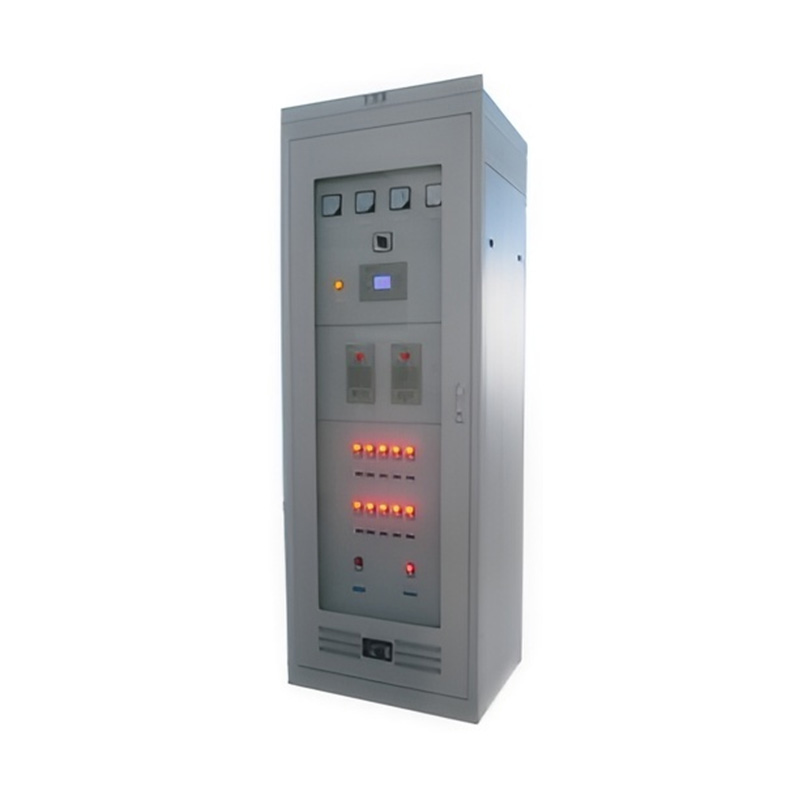 Custom DC Power Panels for Matching Armature VoltageProper DC power panel selection ensures correct armature voltage matching and reliable commutation, preventing overheating and sparking in industrial DC motor systems.View Product →
A common error is choosing a motor rated for 440 V armature voltage and then connecting it to a 540 V electro-chemical plant bus. The extra armature current overheats the commutator within hours. Always provide the full nameplate data to the motor manufacturer and confirm the maximum continuous speed before ordering.
Efficiency and Maintenance Data for DC Motors
Brushed industrial DC motors typically operate between 80 and 92 percent full-load efficiency, and brush wear is the only scheduled maintenance item.
Typical full-load efficiency range by industrial DC motor type
The rest of the machine is remarkably robust. Armature windings can be rewound, and the laminated pole frame rarely fails. A preventive schedule that checks brush seating, spring tension and commutator pitting every 2,000 running hours keeps a DC drive working for 20 years or more. This is one reason the low-voltage motor applications guide highlights the control efficiency of direct-current systems. Read it here: industrial motor control efficiency.
DC Motors versus AC Motors with VFDs: Which System Wins?
The choice between an industrial DC electric motor and an AC motor driven by a variable frequency drive is a total system cost problem, not a machine-only comparison.
- Speed is controlled directly by armature voltage without encoder feedback.
- Very high starting torque is delivered without oversizing the drive.
- Four-quadrant regeneration is simple with a DC power panel.
- Custom low-speed operation is easier to implement at full rated torque.
- Brushes and commutator need periodic cleaning and replacement.
- Spare-part lead times are longer for custom armature windings.
- Higher maintenance labor cost than a closed AC induction motor.
- Less common in standard European manufacturer catalogs.
For a plant that already has DC buses, the DC route is often cheaper. For a greenfield project, an AC motor with a regenerative VFD offers lower maintenance and a wider selection of standard frames. The decision also depends on the availability of skilled DC motor rewinding shops in your region. If you need a custom shaft, flange or insulation system, a custom special motor engineering service is the practical path.
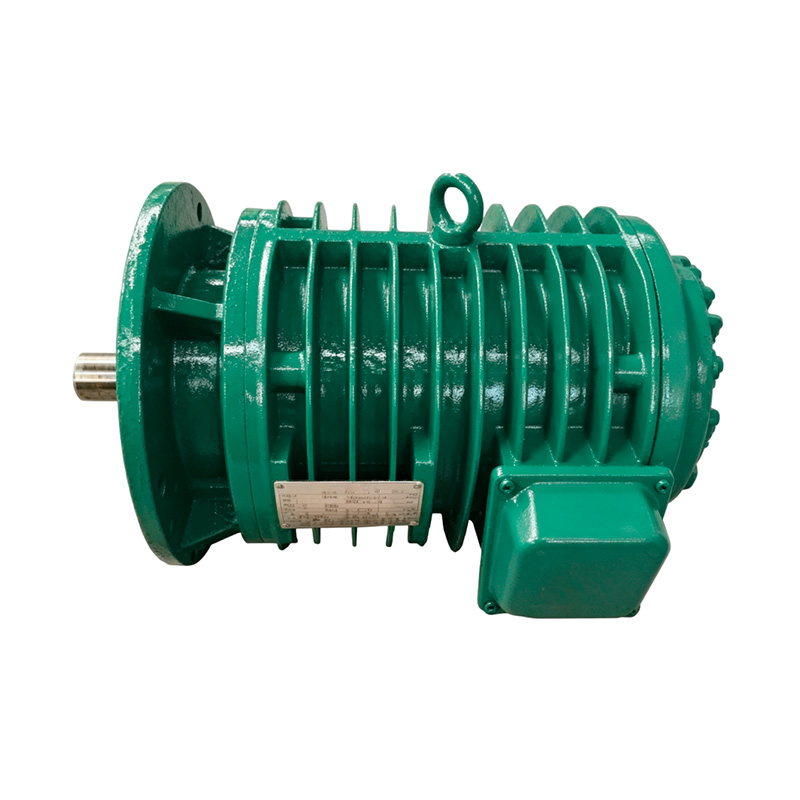 Custom Special Motors for Shaft, Flange, or Insulation NeedsSpecial motors can be tailored with custom shafts, flanges, or insulation systems, suited for demanding applications like steel mill rolling stands and mining hoists requiring high torque.View Product →
FAQ
What are industrial DC electric motors used for?
They are used in steel mill rolling stands, mining hoists, ship deck winches, paper machine sectional drives and elevator traction systems. These applications need high starting torque and wide smooth speed regulation.
Are brushed DC motors still manufactured in 2026?
Yes. Shanghai Pinxing Explosion-proof Motor Co., Ltd. continues to build industrial DC electric motors and the DC power panels that energize them, especially for retrofit projects and special low-speed motion systems.
What causes DC motor commutator wear?
Poor brush seating, overloaded armature current, incorrect brush spring tension and sparking from a brush grade that does not match the load profile are the main causes. Proper brush selection and periodic commutation inspection prevent most wear problems.
How do I improve industrial DC motor efficiency?
Keep the commutator clean, maintain correct brush spring tension, ensure the supply voltage matches the nameplate, and select a DC power panel with regenerative capability so braking energy returns to the grid instead of being wasted in resistors.

Get in Touch
Related Products
 Shanghai Pinxing
Explosion-proof Motor Co., Ltd.
-
 cai@pinxingmotor.com
-
 +86-21-57566731
-
 +86-21-57566967
-
 No.699, Pinxing Rd., Qinggang Industrial Zone, Fengxian District, Shanghai, China.(East Gate)
-
No. 168, Qingling Rd, Qinggang Industrial Zone, Qingcun Town, Fengxian District, Shanghai, China (South Gate)
Copyright@ 2024 Shanghai Pinxing Explosion-proof Motor Co., Ltd. All Rights Reserved.
Privacy